February 10 - May 29, 2026
Gallery 1
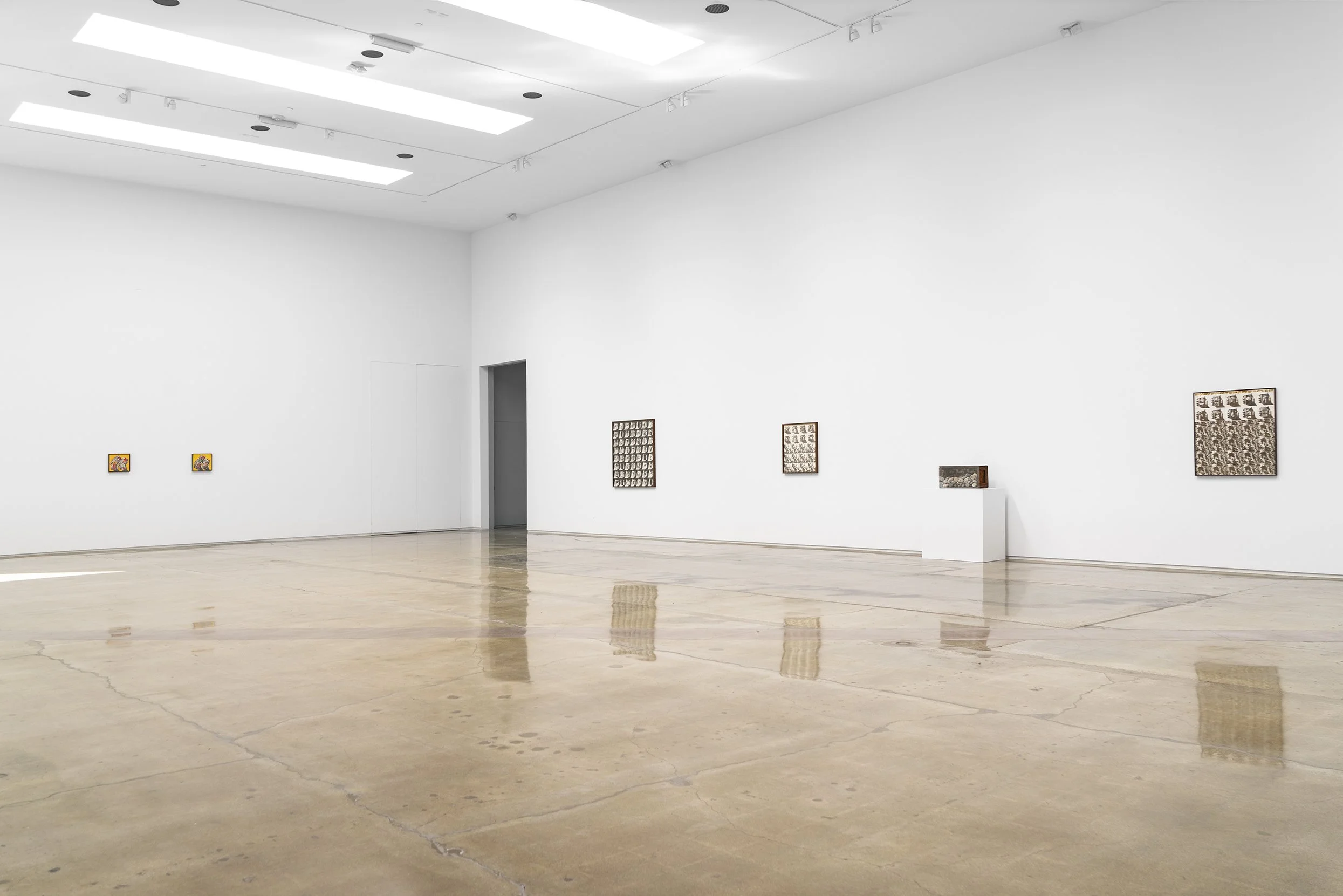
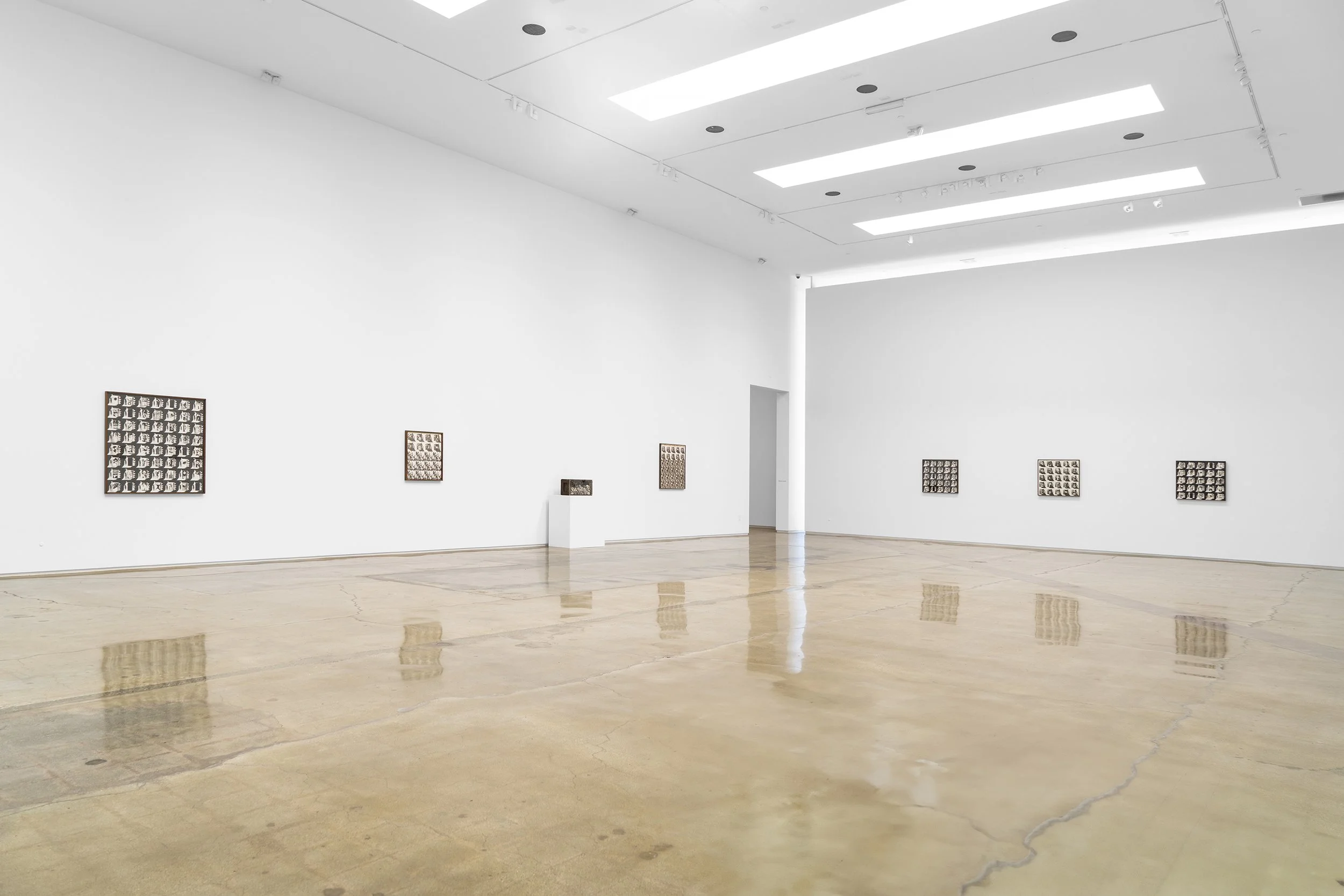
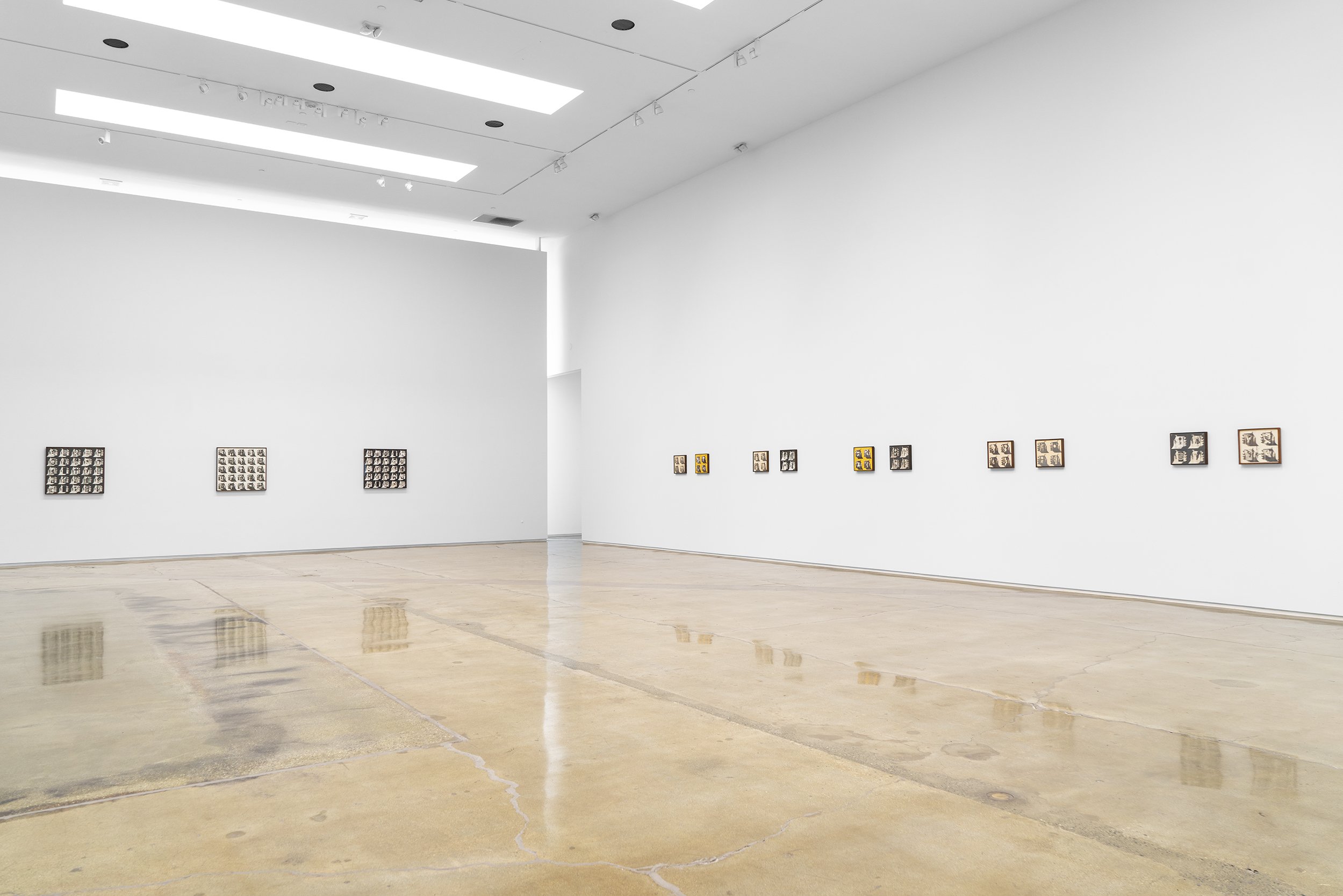
Michael Kohn Gallery is proud to present It Don’t Mean a Thing (If It Ain’t Got That Swing), a highly significant exhibition of Verifax collaged works that commemorates the centennial of the birth, and the semicentennial of the death, of one of the most unique and influential artists to emerge from Los Angeles during the second half of the Twentieth Century, Wallace Berman.
Curated by the artist’s son, Tosh Berman, the exhibition opens on February 18, 2026—the day of Berman’s birth and untimely death in a vehicular accident. In the new publication that accompanies the show, Tosh embarks on a personal account and iconographic decoding of Wallace Berman’s enigmatic oeuvre: “100 years ago. Fifty years ago. Born a century ago, gone for a half century…,” begins Tosh’s text; he proceeds with deliberate and detailed insights into Wallace Berman’s astonishing body of work.
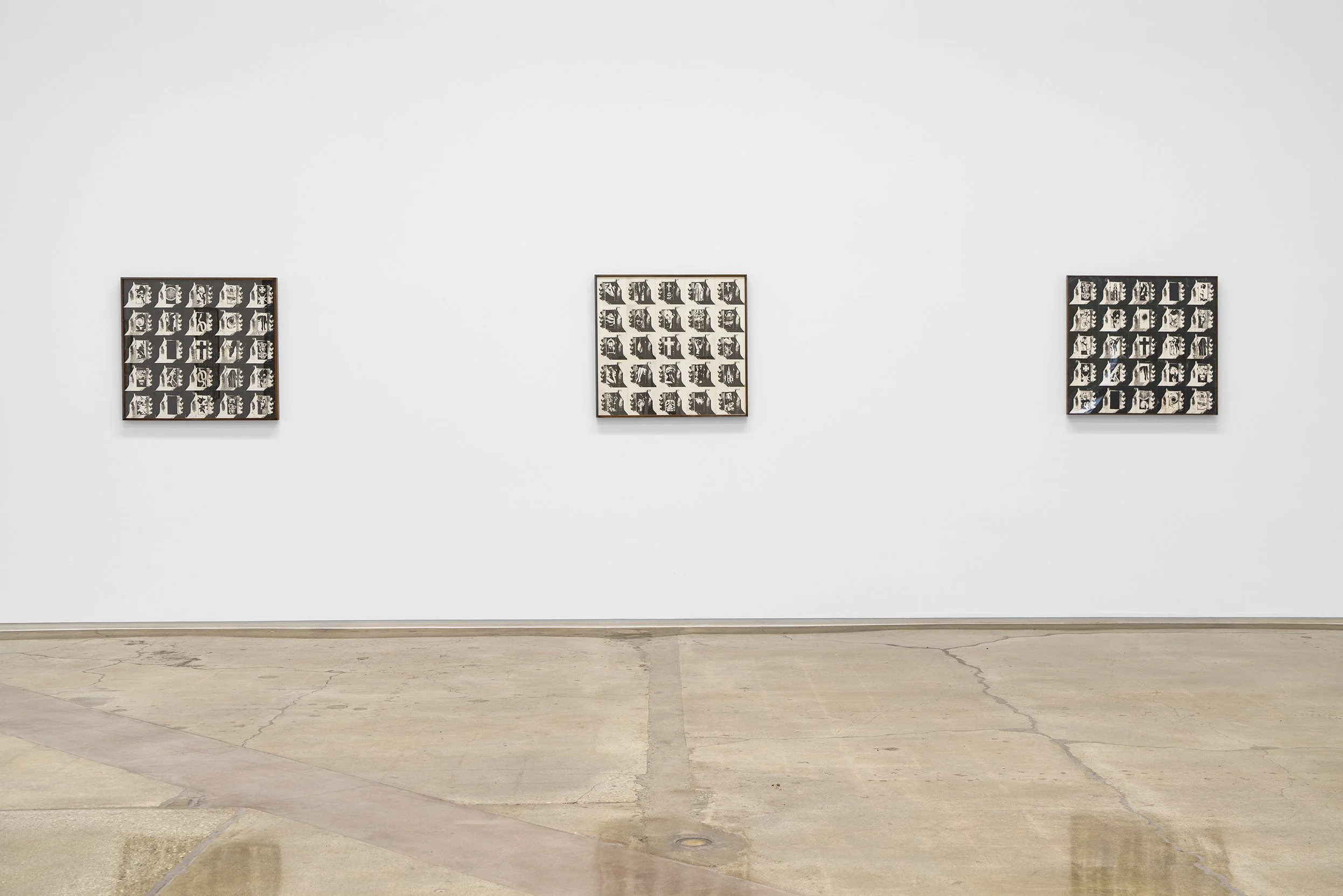
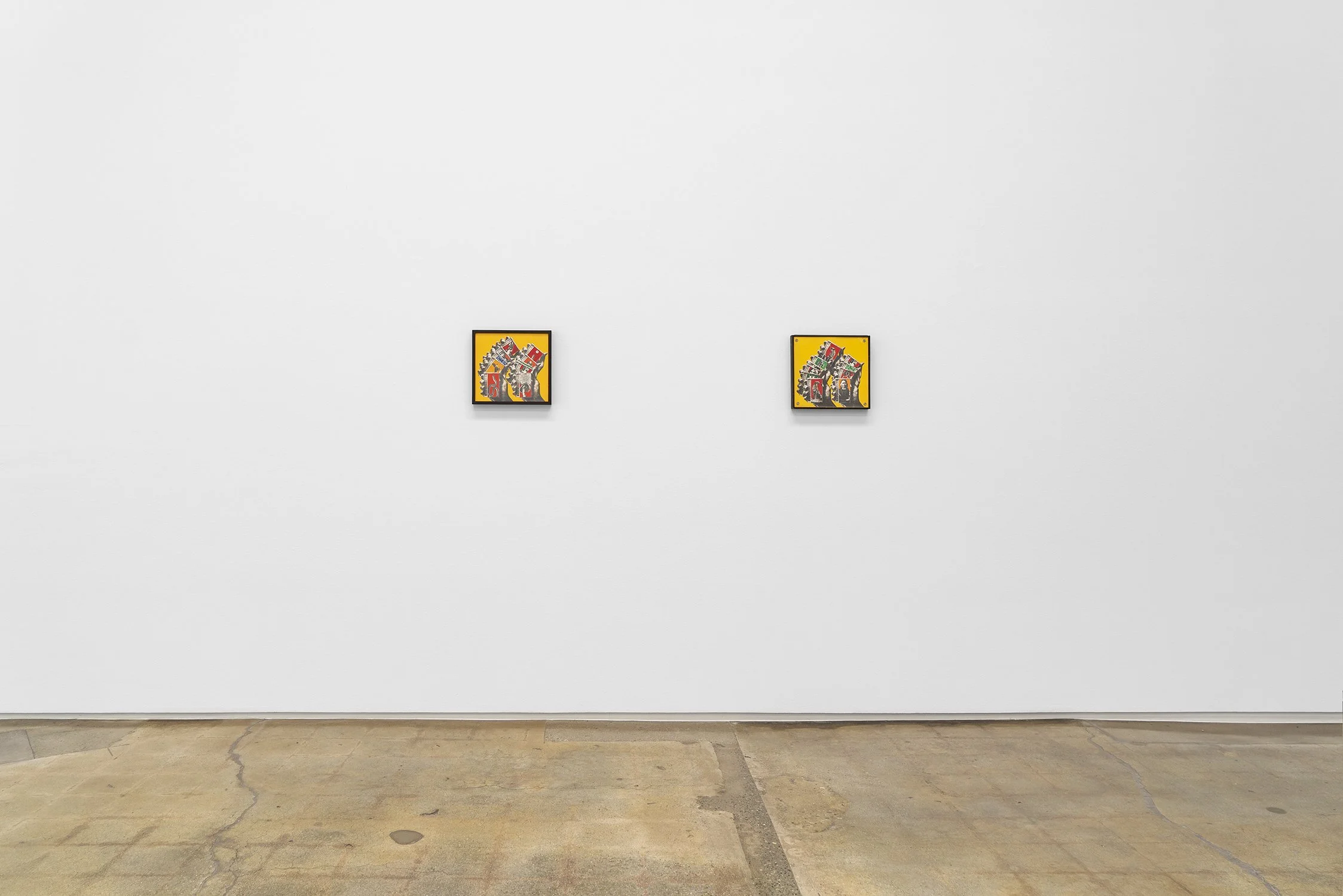
In 1963, Berman received a gift of a Verifax machine (a type of early Xerox machine that produced photographic images) that he utilized to invent his photo-based pieces. Initially, the artist employed this expedient reproductive process to create modest, semi-abstract works that resembled a soupy mixture of cut-up photographs. By 1965, he had settled on a more standardized manner to re-present the world of photographic images.
While leafing through Life magazine, Berman came across a print advertisement for the hand-held Sony AM/FM transistor radio. He altered the ad by excising the geometric metallic speaker of the Sony, a magical voice that could emanate worldly knowledge from the ether, the oracle of the hand-held machine. Berman repurposed the visual center into an empty frame that could be populated with any image, from any source, from any location, of any subject, of any size; and he would repeat the process as often as he wanted. The juxtaposition of images and interpretations was countless. The possibilities were infinite.
Wallace Berman’s Verifax works were rarely shown in public, a deliberate decision the artist made after his arrest in 1957 during his inaugural Ferus Gallery show. Instead, Berman directly contacted Los Angeles collectors whom he had met through the art world and sold just enough work to pay his monthly bills. In 1966, he was part of a group show at Robert Fraser Gallery, London, where he met the artist Peter Blake; Berman was subsequently included on The Beatles’ Sgt. Pepper’s Lonely Hearts Club Band album cover by Blake. He was an underground artist, yet Berman’s works are in numerous museums worldwide. Despite only a few gallery exhibitions in his lifetime, his life and work have influenced artists from Ed Ruscha to Richard Prince. The latter’s work was shown in the two-person exhibition "She: Images of Women by Wallace Berman & Richard Prince” at Michael Kohn Gallery in 2009.
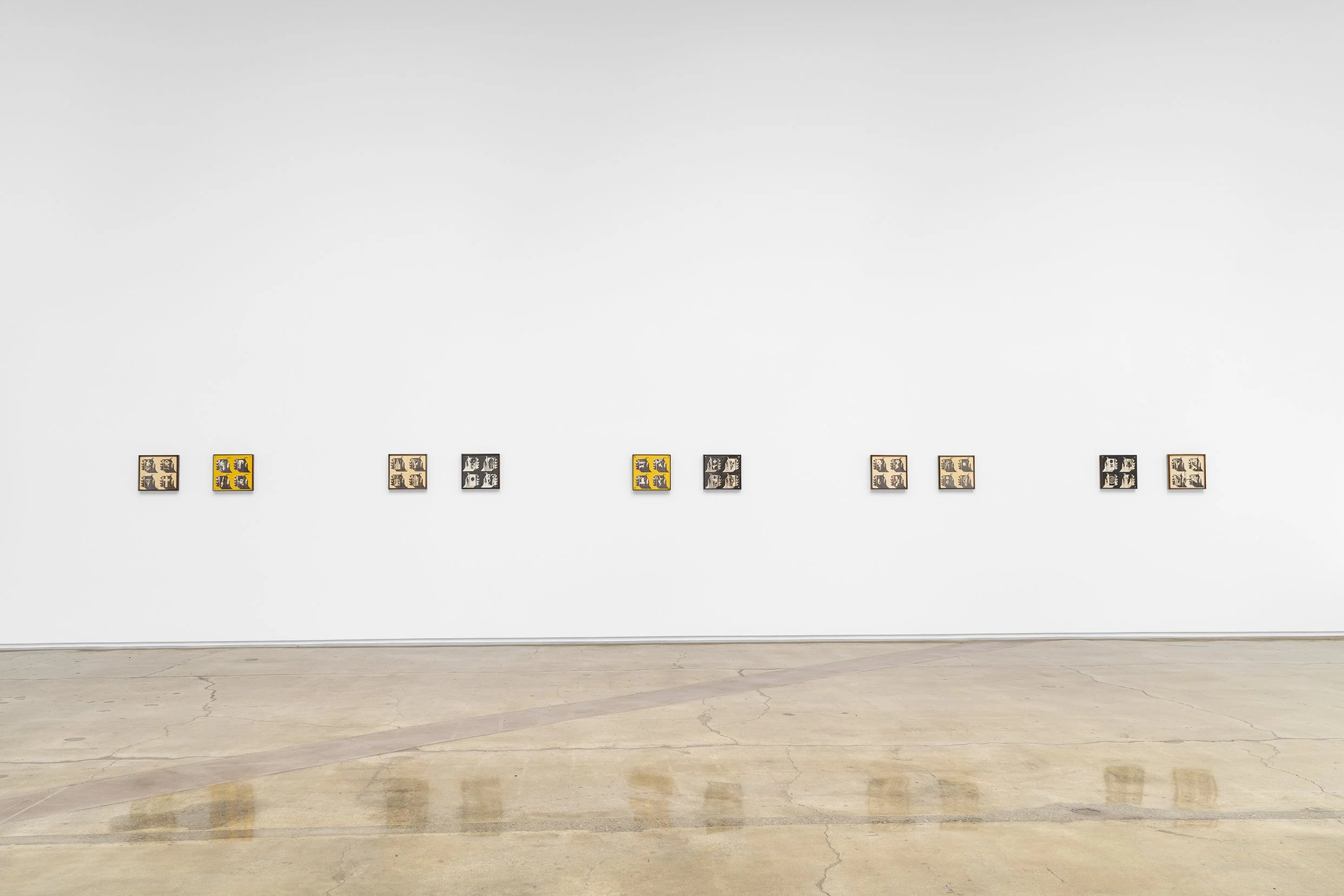
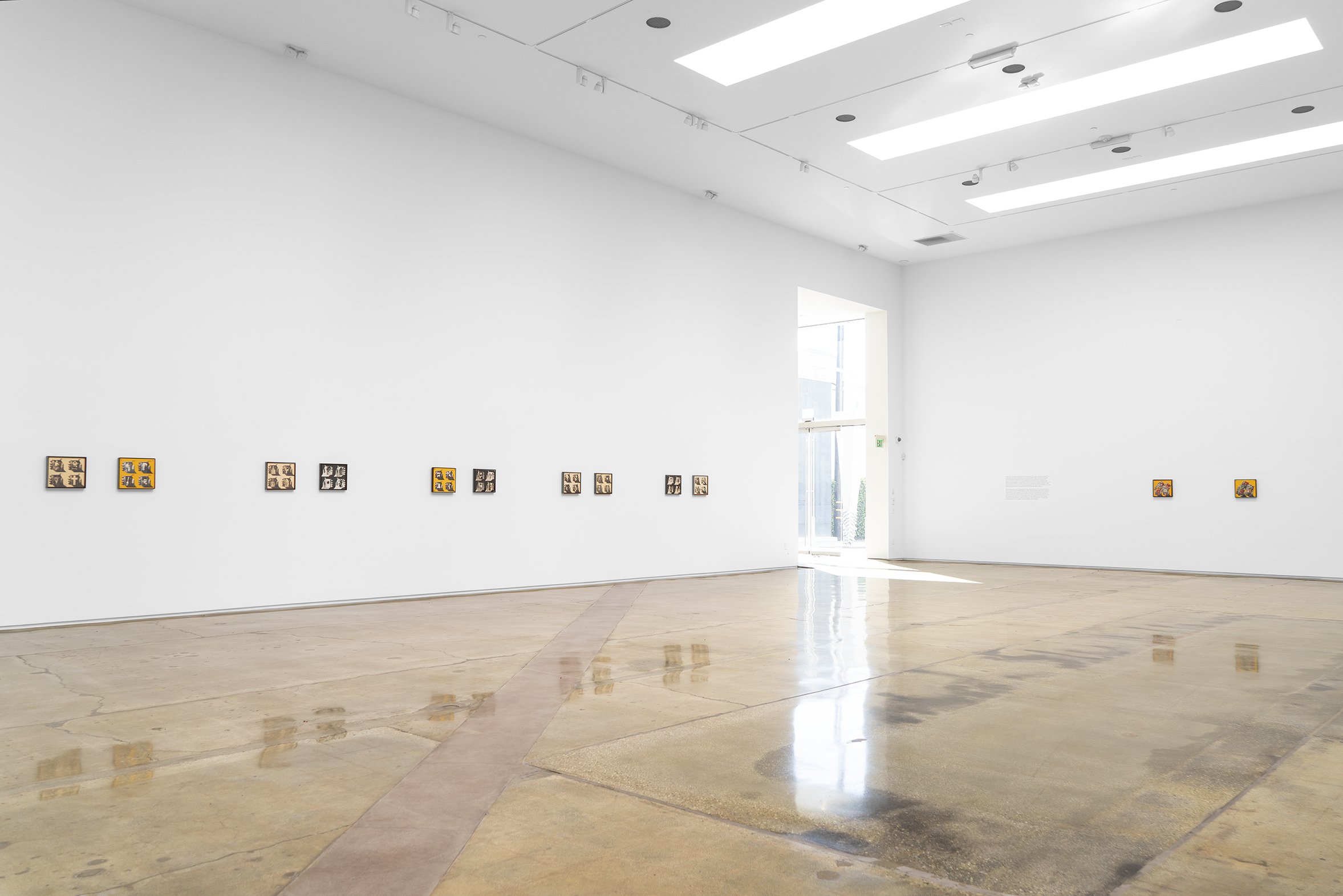
This important exhibition brings together rare, large-scale 56-part works, along with stunning examples of 25-part, 16-part, 9-part, 4-part, and individual Verifaxes found in the artist’s studio after his death. This is a critical, massive group of works that may never be shown together again.
By many accounts, Berman had the soul of a Surrealist poet, a Kabbalah mystic, and a pool hall hustler, but most importantly, that of an artist. Tosh Berman writes, “Wallace transformed the mass-produced into something intimate and enigmatic. By refusing the personal snapshot, he preserved the mystery, leaving room for poetry.”