
The Estate of Wallace Berman
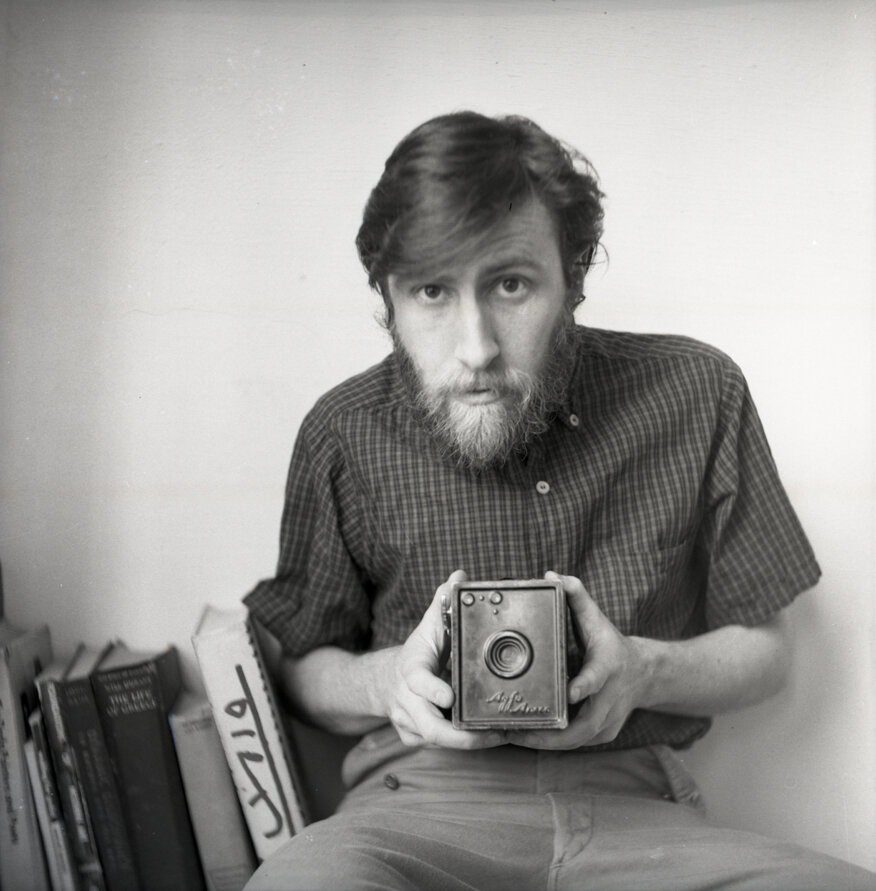
Wallace Berman was an American artist - a self-taught modernist, hipster, and poet-mystic, who worked at a time of extraordinary socio-political and cultural change.
— Claudia Bohn-Spector
Selected Works



Exhibitions

Selected Press

Books
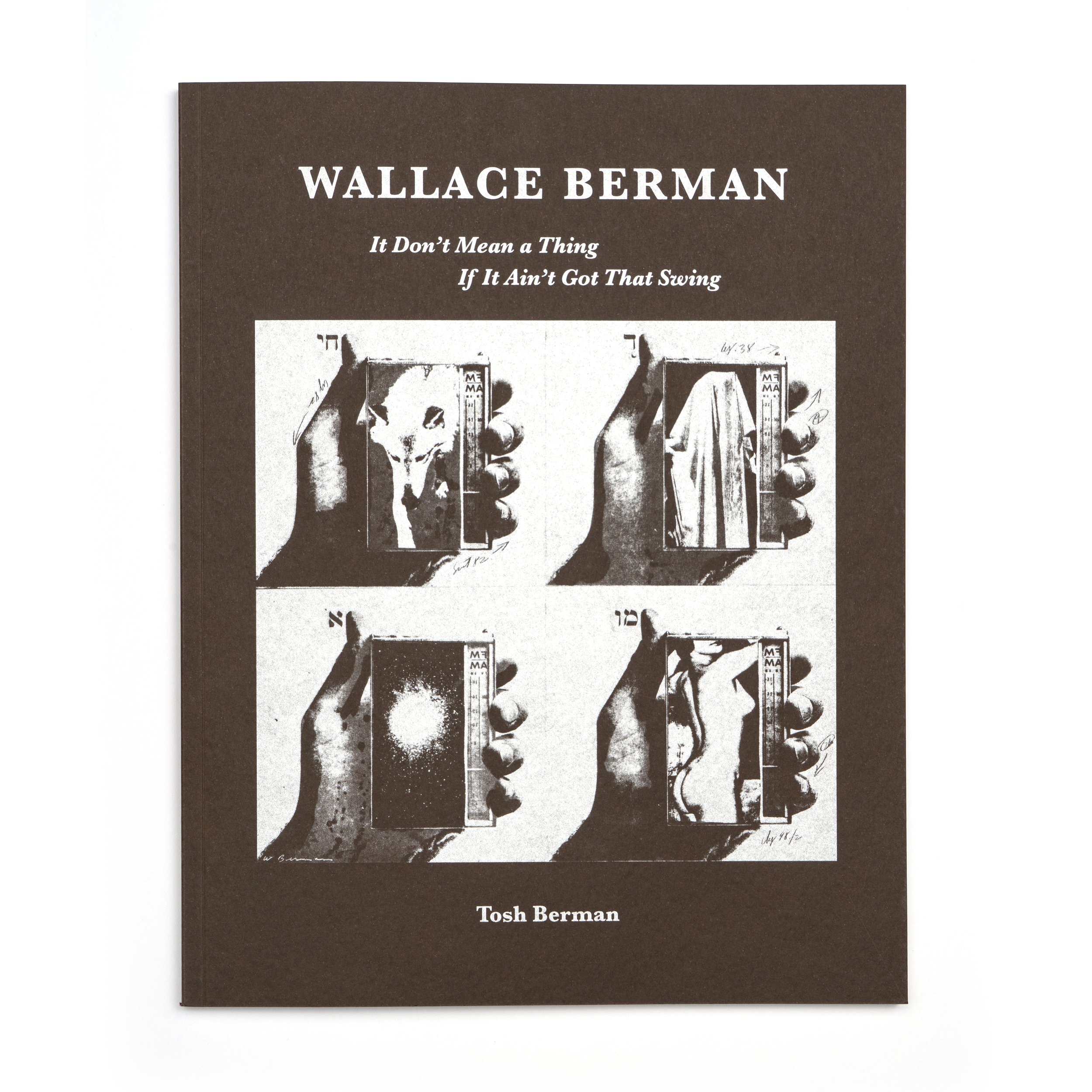
Published on the occasion of the exhibition “100 Years of Wallace Berman,”
Foreword by Michael Kohn
Wallace Berman by Tosh Berman
Softcover 112 pages
ISBN 78-1-880086-37-7
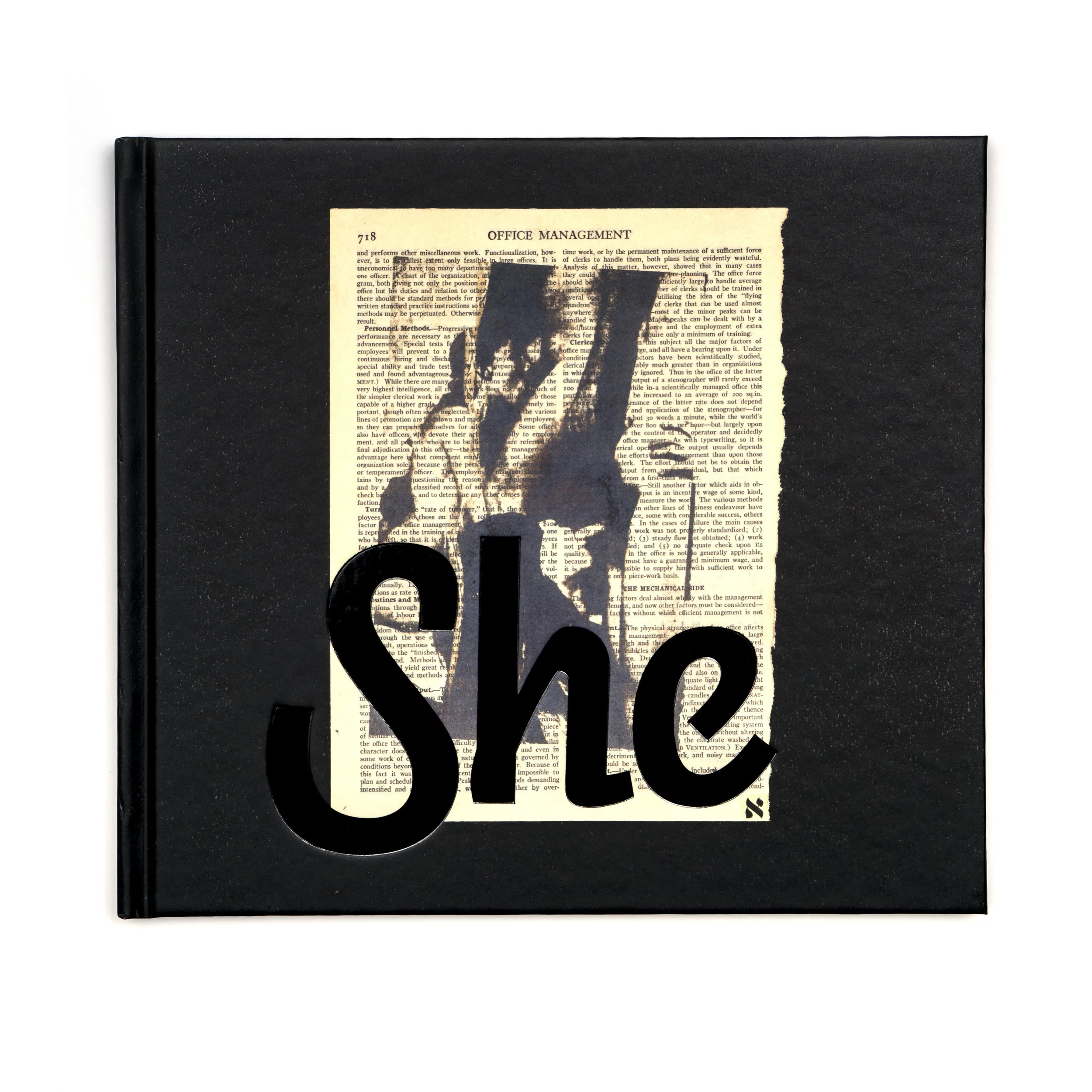
Essay by Kristine McKenna
Hardcover: 111 pages
ISBN 978-1-88086-20-9
Exhibition catalog, 2009
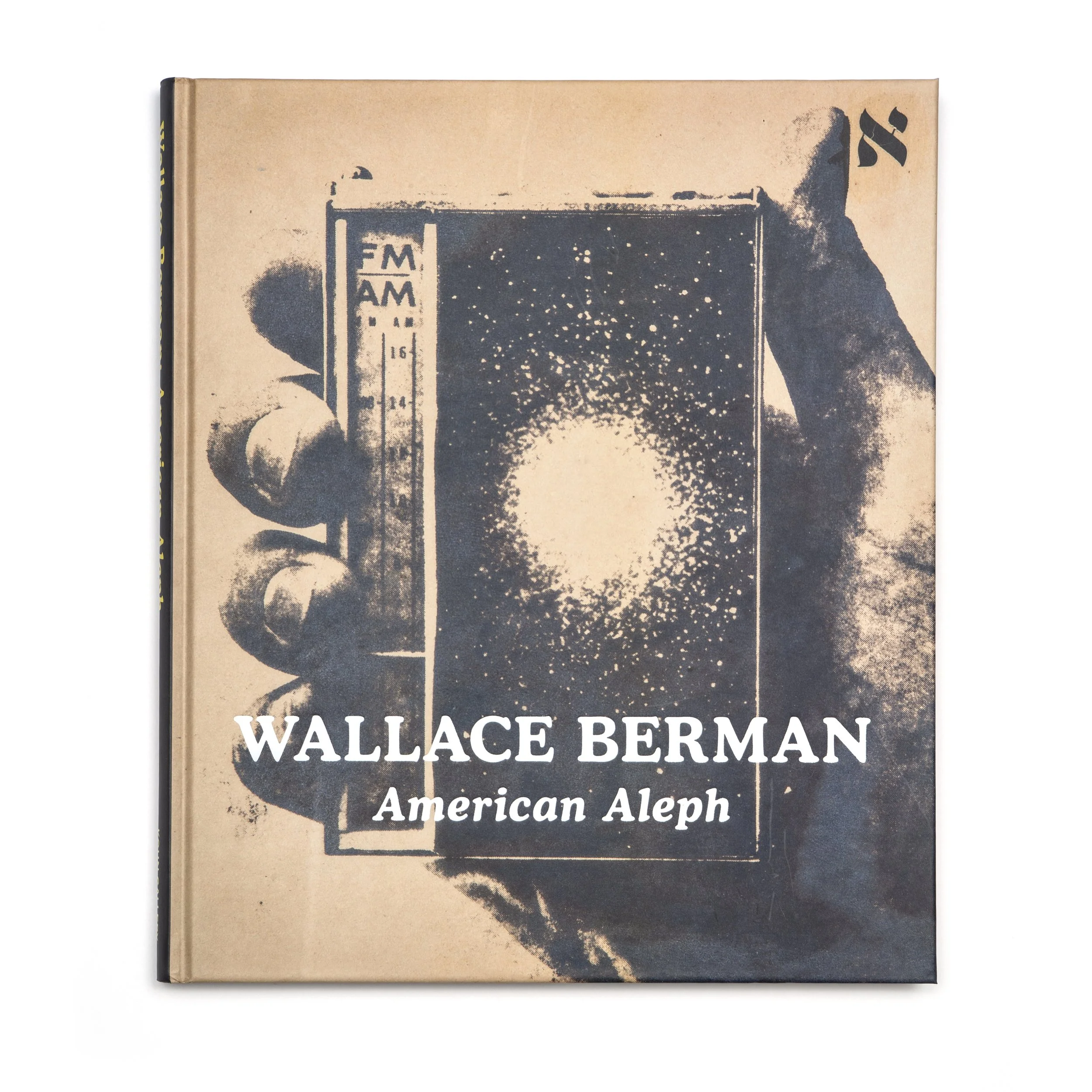
Edited by Claudia Bohn-Spector and Sam Mellon
Essays by Ken D. Allan, Tosh Berman, Claudia Bohn-Spector and Sam Mellon
Published by Kohn Gallery
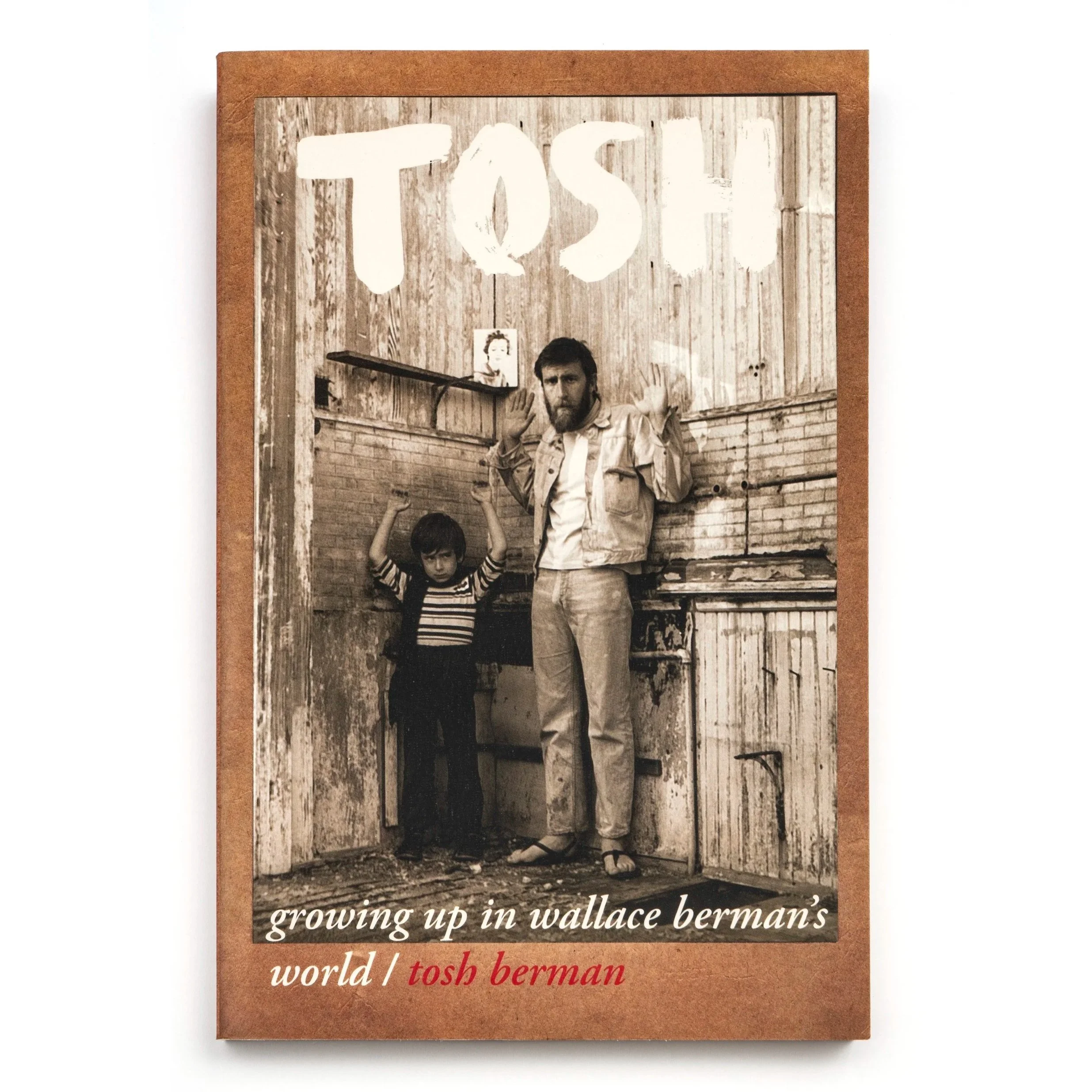
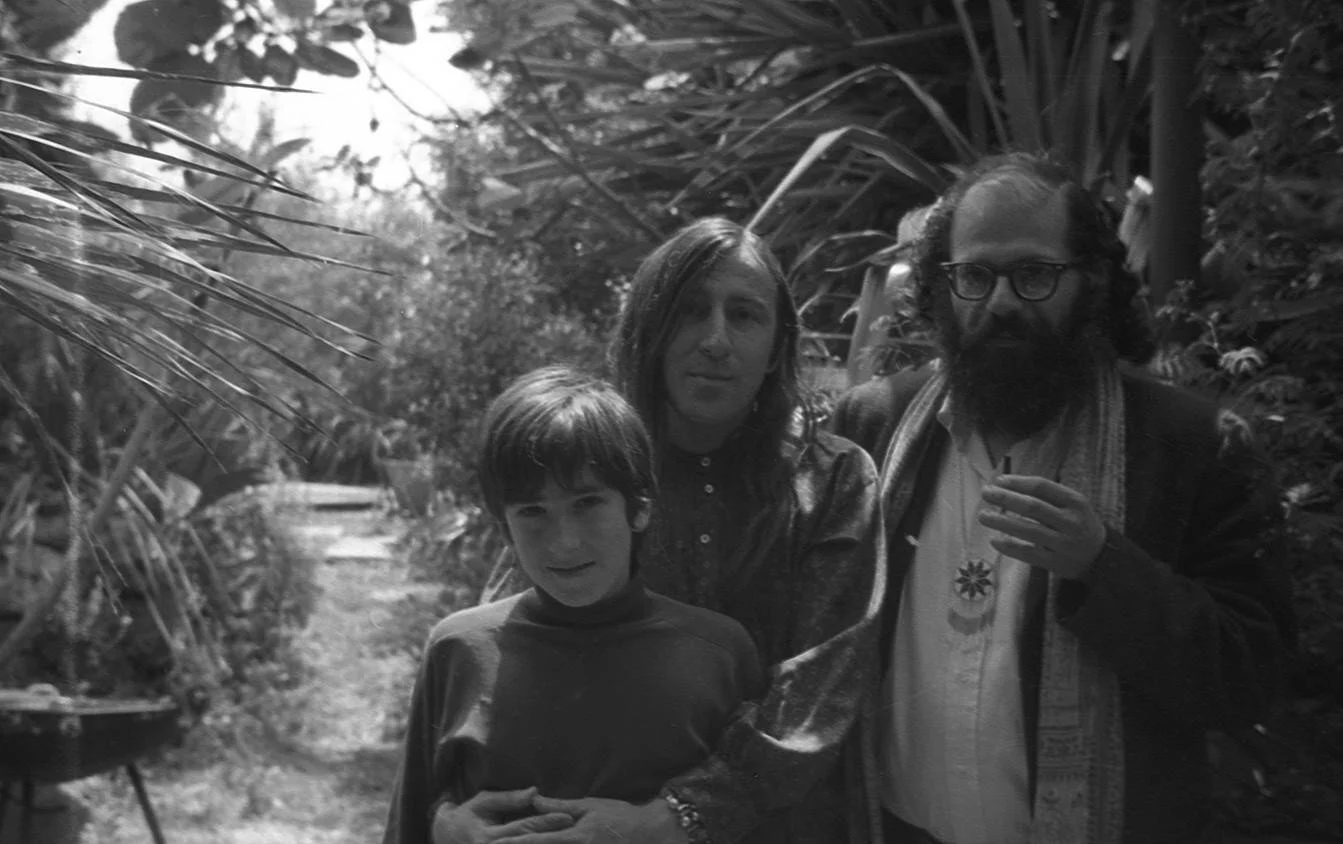
TOSH is a memoir of growing up as the son of an enigmatic, much-admired, hermetic, and ruthlessly bohemian artist during the waning years of the Beat Generation and the heyday of hippie counterculture. A critical figure in the history of postwar American culture, Tosh Berman's father, Wallace Berman, was known as the "father of assemblage art," and was the creator of the legendary mail-art publication Semina. Wallace Berman and his wife, famed beauty and artist's muse Shirley Berman, raised Tosh between Los Angeles and San Francisco, and their home life was a heady atmosphere of art, music, and literature, with local and international luminaries regularly passing through.
Tosh's unconventional childhood and peculiar journey to adulthood features an array of famous characters, from George Herms and Marcel Duchamp, to Michael McClure and William S. Burroughs, to Dennis Hopper and Dean Stockwell, to the Rolling Stones, Neil Young, and Toni Basil.
TOSH takes an unflinching look at the triumphs and tragedies of his unusual upbringing by an artistic genius with all-too-human frailties, against a backdrop that includes The T.A.M.I. Show, Sgt. Pepper's Lonely Hearts Club Band, Easy Rider, and more. With a preface by actress/writer Amber Tamblyn (daughter of Wallace's friend, actor Russ Tamblyn), TOSH is a self-portrait taken at the crossroads of popular culture and the avant-garde. The index of names included represents a who's who of midcentury American—and international—culture.
Praise for Tosh:
"Tosh Berman's sweet and affecting memoir provides an intimate glimpse of his father, Wallace, and the exciting, seat-of-the-pants LA art scene of the 1960s, and it also speaks to the hearts of current and former lonely teenagers everywhere."--Luc Sante, author of The Other Paris
"This is the story of a kid growing up inside of art world history, retelling his upbringing warts and all. A well-written, fast-moving book that is candid, funny, often disturbing, and never dull."--Gillian McCain, co-author of Please Kill Me: The Uncensored Oral History of Punk
"TOSH is a delightfully entertaining memoir filled with sly wit and a profound personal perspective."--John Zorn, composer
"One could not wish for a better guide into the subterranean and bohemian worlds of the California art/Beat scene than Tosh Berman, only scion of the great Wallace. Tosh has a sly wit and an informed eye, he is both erudite and neurotic, and often hilarious."--John Taylor, Duran Duran
"There's the life—and then there's the life. With TOSH you can have both. My life, and that of many who sailed with me, was formed by the 40's & 50's. TOSH takes you there."--Andrew Loog Oldham, producer/manager, The Rolling Stones
"As the son of artist Wallace Berman, Tosh Berman had a front row seat for the beat parade of the '50s, and the hippie extravaganza of the '60s. It was an exotic, star-studded childhood, but having groovy parents doesn't insulate one from the challenge of forging one's own identity in the world. Berman's successful effort to do that provides the heart and soul of this movingly candid chronicle of growing up bohemian."--Kristine McKenna, co-author of Room to Dream by David Lynch
"This is a beautifully written memoir, and I highly recommend it to those who are interested in the Sixties, Topanga Canyon, the Southern California art scene, and for those who wonder what it might mean to grow up as the son of one of our most acclaimed artists."--Lisa See, author of The Tea Girl of Hummingbird Lane
About the Artist
Wallace Berman was an American artist - a self-taught modernist, hipster, and poet-mystic, who worked at a time of extraordinary socio-political and cultural change. Born shortly before the Great Depression, he came of age in the aftermath of World War II, when the horrors of global warfare, the Holocaust, and atomic bombings lingered vividly in people’s hearts and minds. Far from the traditional centers of art and culture, Berman matured as an artist in Los Angeles, on the creative frontier of the American West. His was a reality bifurcated by the clash of an old world and a new, in which lifestyles born of war and deprivation coexisted with unparalleled prosperity, economic growth, and technological innovation. In the 1950s and ’60s, Berman witnessed the rise of the enthusiastic consumerism and militarized bureaucracies of Cold War America, soon to be challenged by the countercultural revolutions of the civil rights, antiwar, and women’s rights movements. He died before the global information age had fully formed, his prolific career cut short by a drunk driveron the eve of his fiftieth birthday in 1976. In the half-century of his all too-short life, America - and, indeed, the world - transformed dramatically, rushing to the brink of a new technological era that few could have envisioned or anticipated.