RECENT PRESS
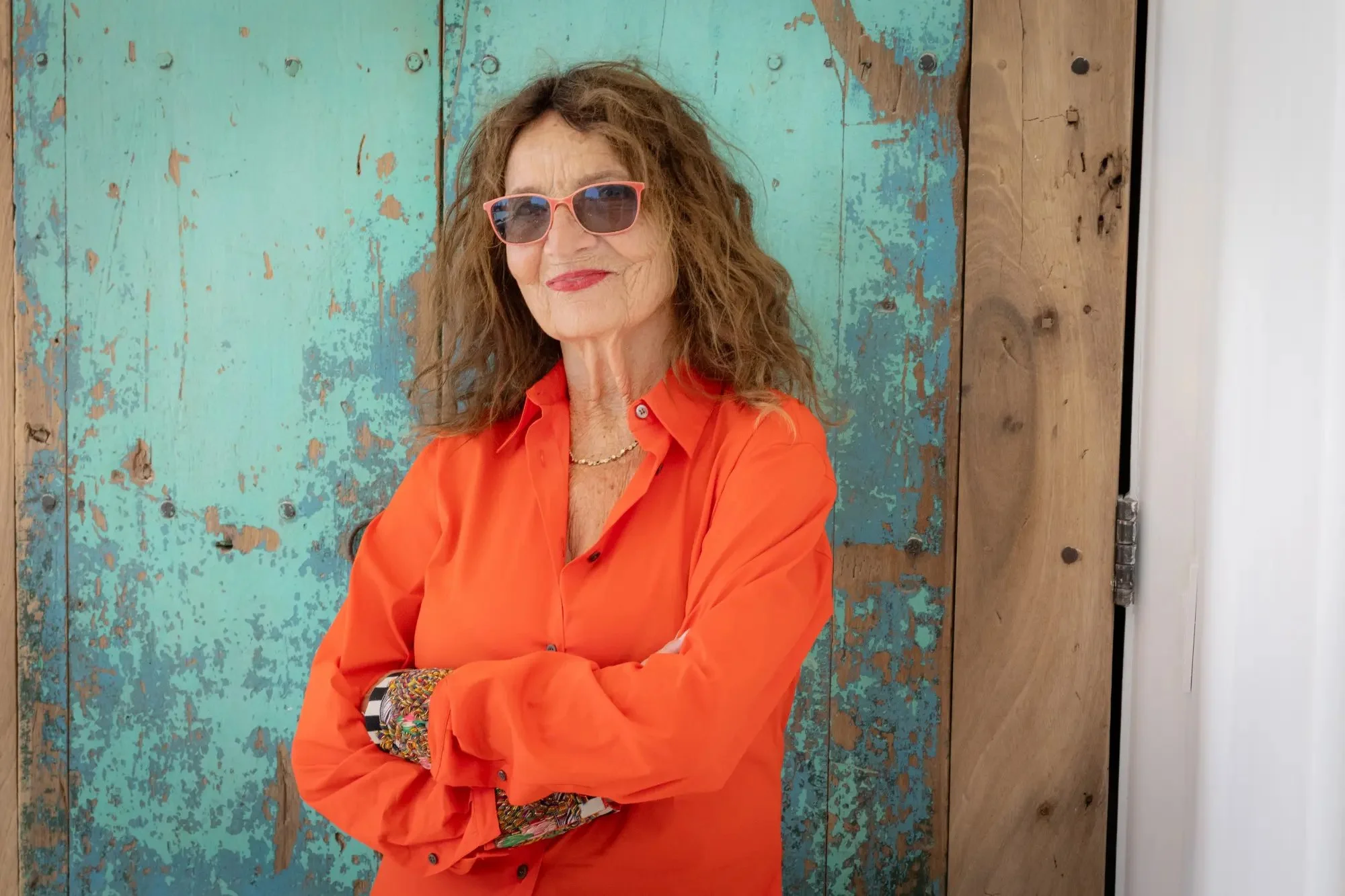
Artist Lita Albuquerque walks through the Malibu home she and her husband, writer Carey Peck, moved into just weeks ago. White walls and broad windows keep the mountains and ocean in view, while a blue door opens onto an entryway capped by a 24-karat gold-leaf dome. Below, a circle of polished black granite set within green marble mirrors the dome — a reference to Albuquerque’s 1989 public artwork, “Site, Memory, Reflection,” and to the architecture of her Tunisian childhood
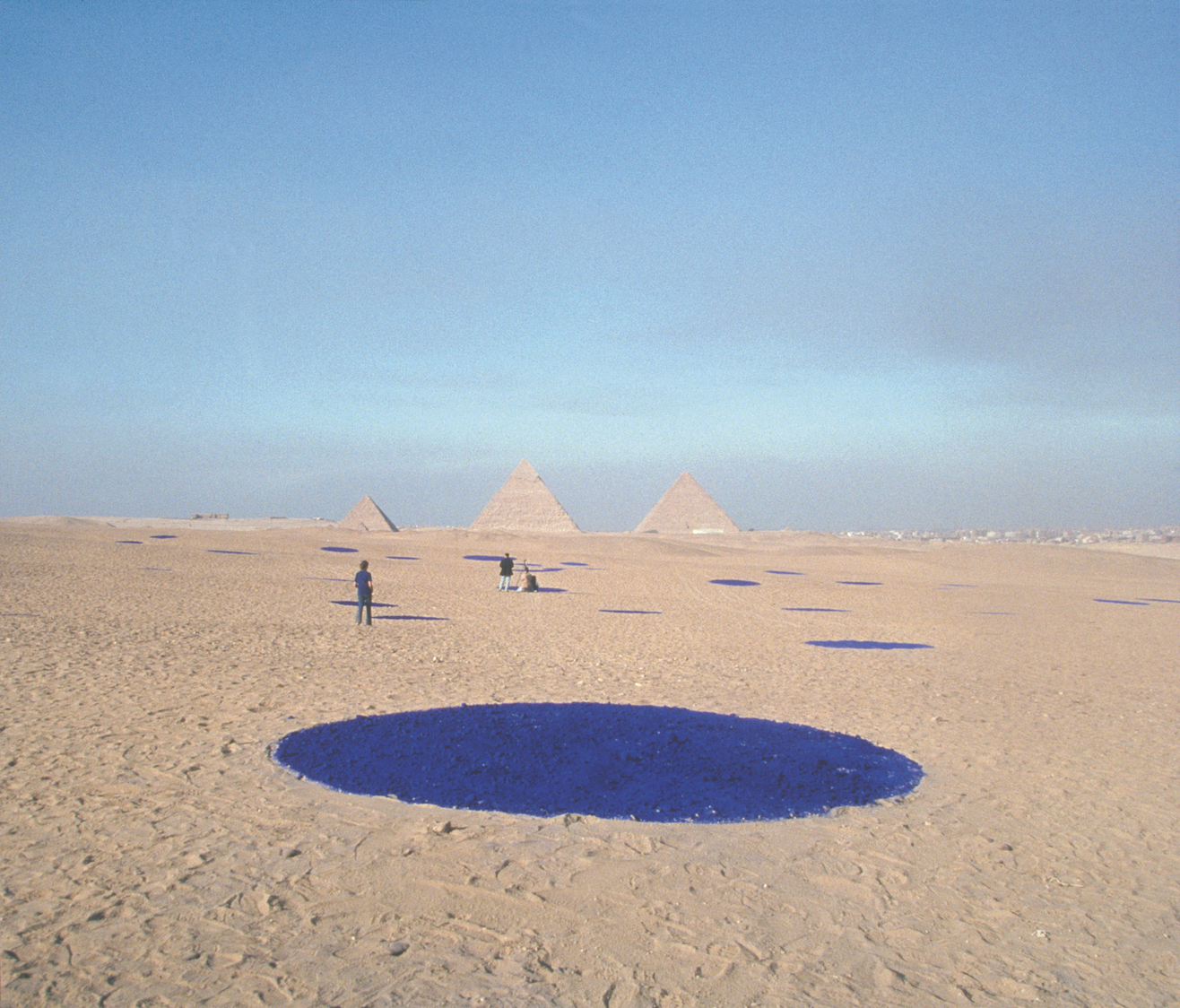
In a small, untitled charcoal drawing from 1978, Lita Albuquerque envisions a hallucinatory desert landscape: A solitary mountain emerges from the horizon of an arid plain, bisected by a looming corridor of ultramarine pigment.
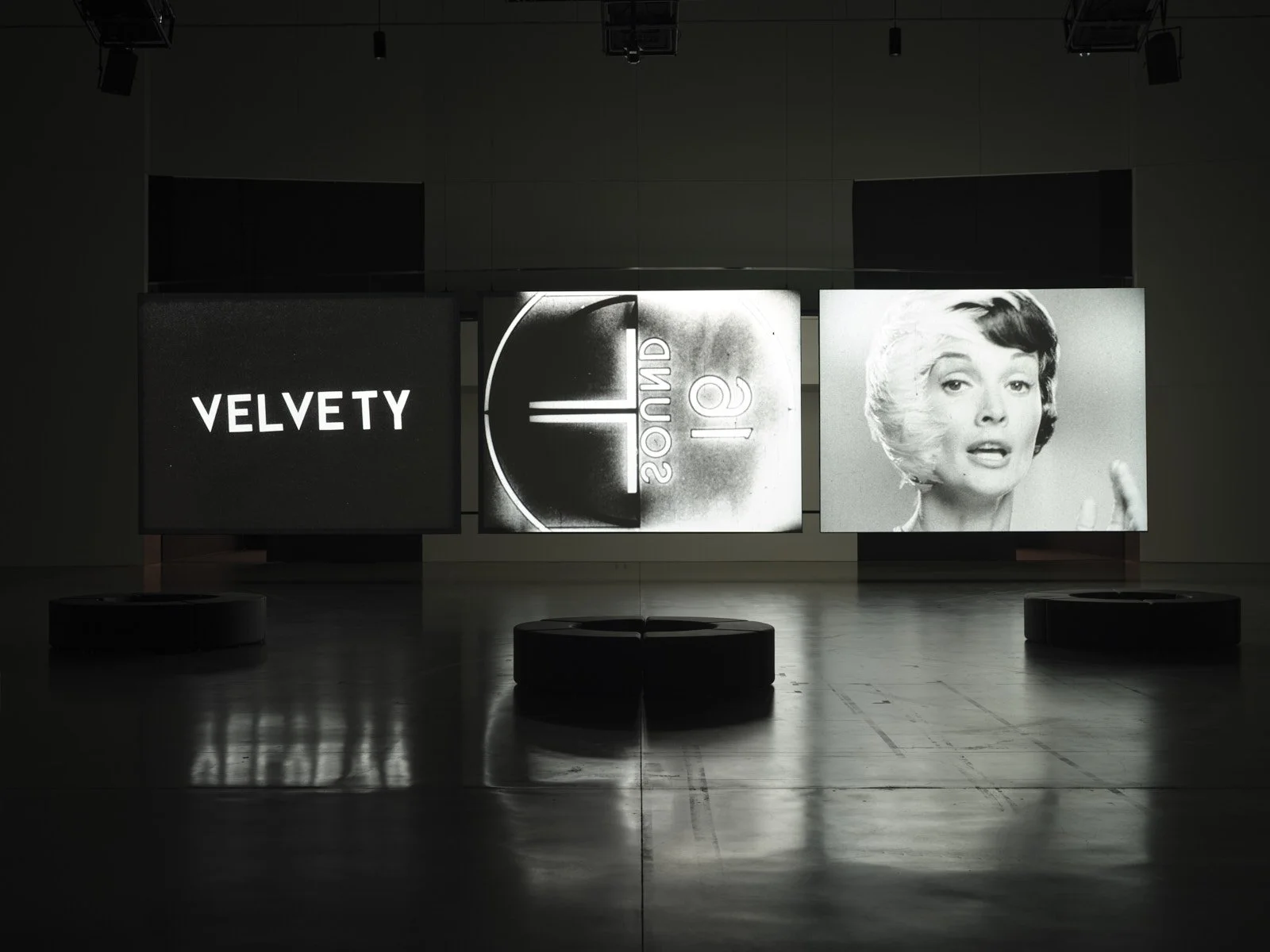
Eighteen years have passed since Bruce Conner’s death, in 2008, aged seventy-four; ten since MoMA held its massive Conner retrospective. The countercultural polymath, known equally for his ragged combines (described by Philip Leider in Artforum as “hideous in the extreme”) and his seductive film collages, has been canonized, if the label befits a true iconoclast, for a long time. A new show at the Marciano Foundation in Los Angeles—located in a former Masonic temple, and showcasing the private collection of the co-founders of Guess jeans—is the latest test of Conner’s caustic sensibility.
The Beat Generation is currently having a moment in Los Angeles. Although the timing is partly coincidental, Marc Selwyn Fine Arts is exhibiting works on paper by Jay DeFeo, Parker Gallery and The Box are presenting a major Wally Hedrick retrospective, and Michael Kohn Gallery is showing Verifax collages by Wallace Berman and drawings by Bruce Conner. Conner was something of a renaissance man in that he was proficient in several mediums.
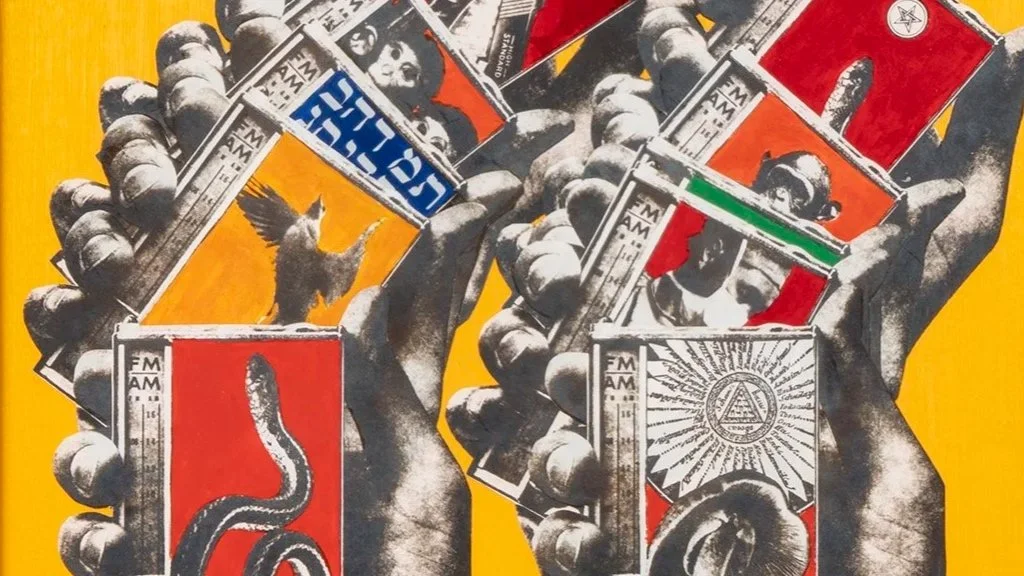
“It Don’t Mean a Thing (If It Ain’t Got That Swing)” marks the centennial of Wallace Berman’s birth. The exhibition focuses on the Los Angeles artist’s iconic Verifax works: collages he produced using an early photocopy machine gifted to him in 1963.