Object Poetry
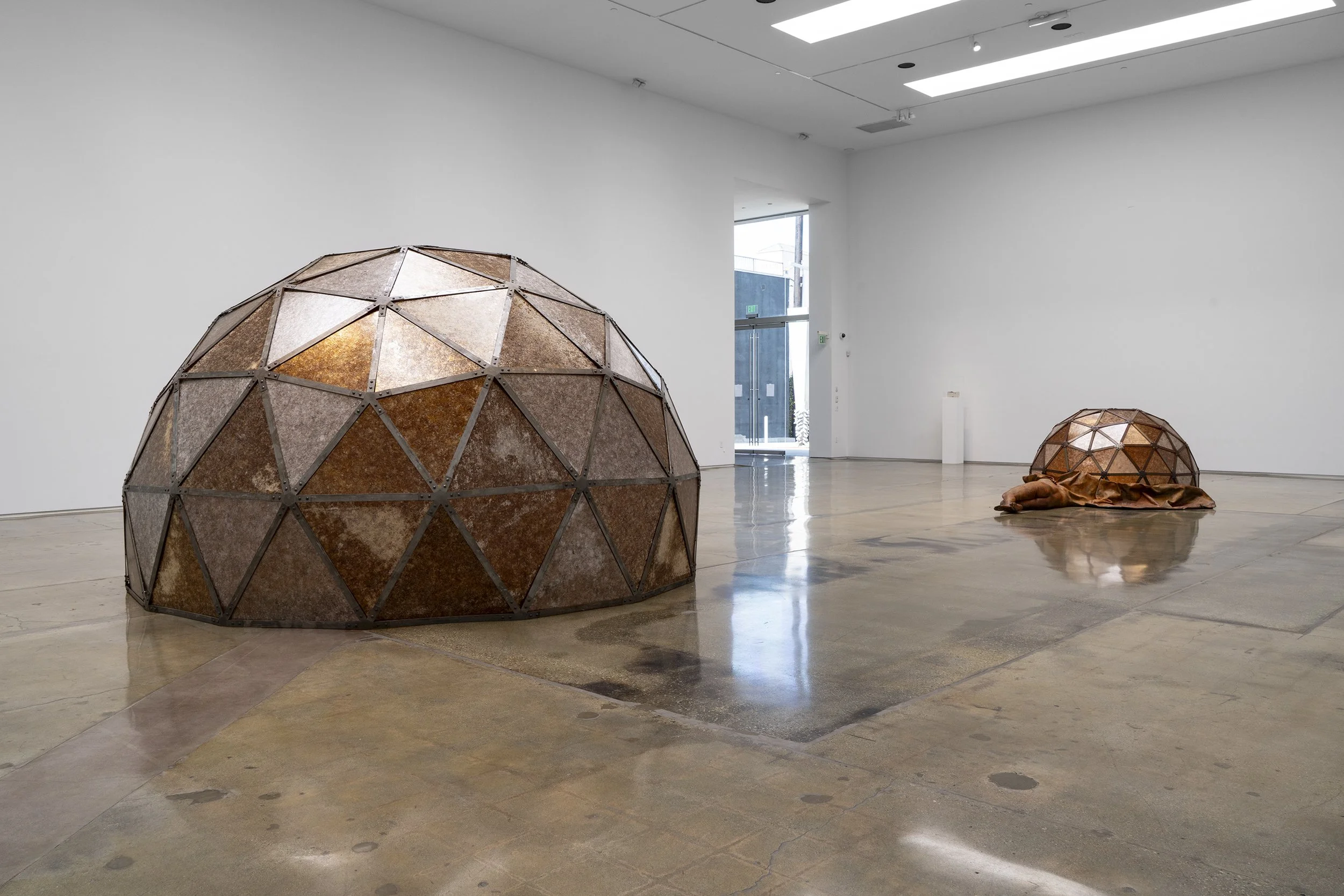
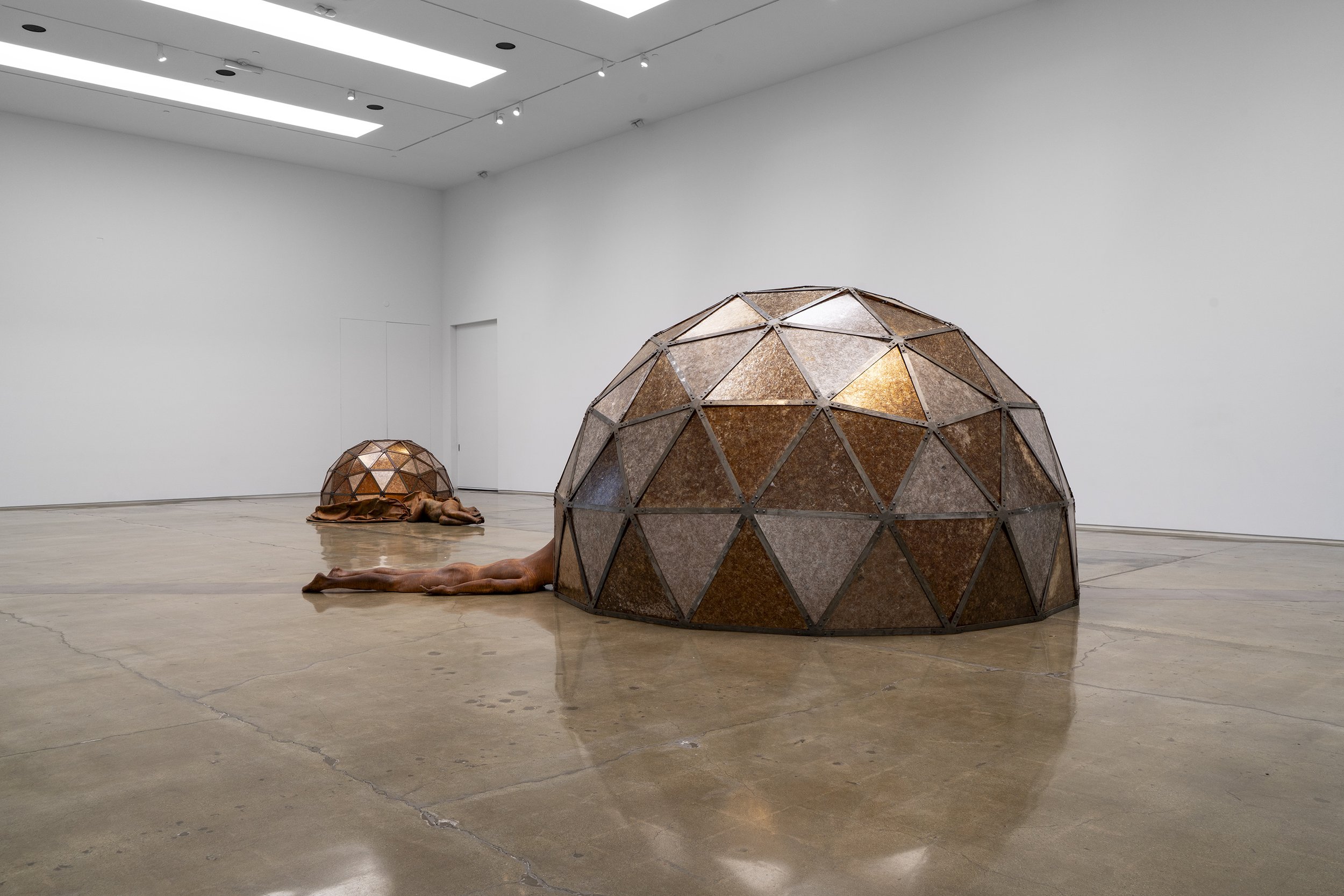
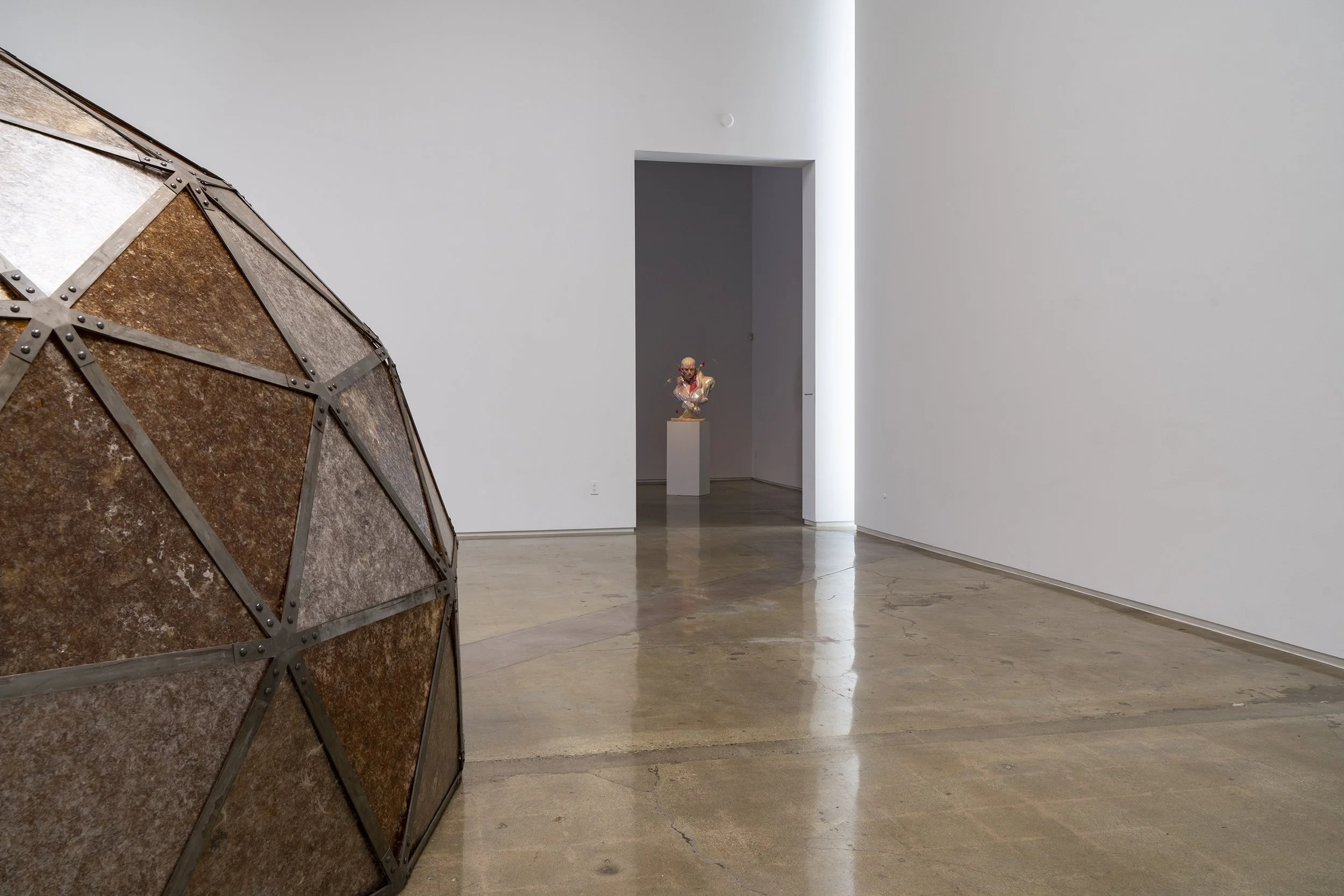
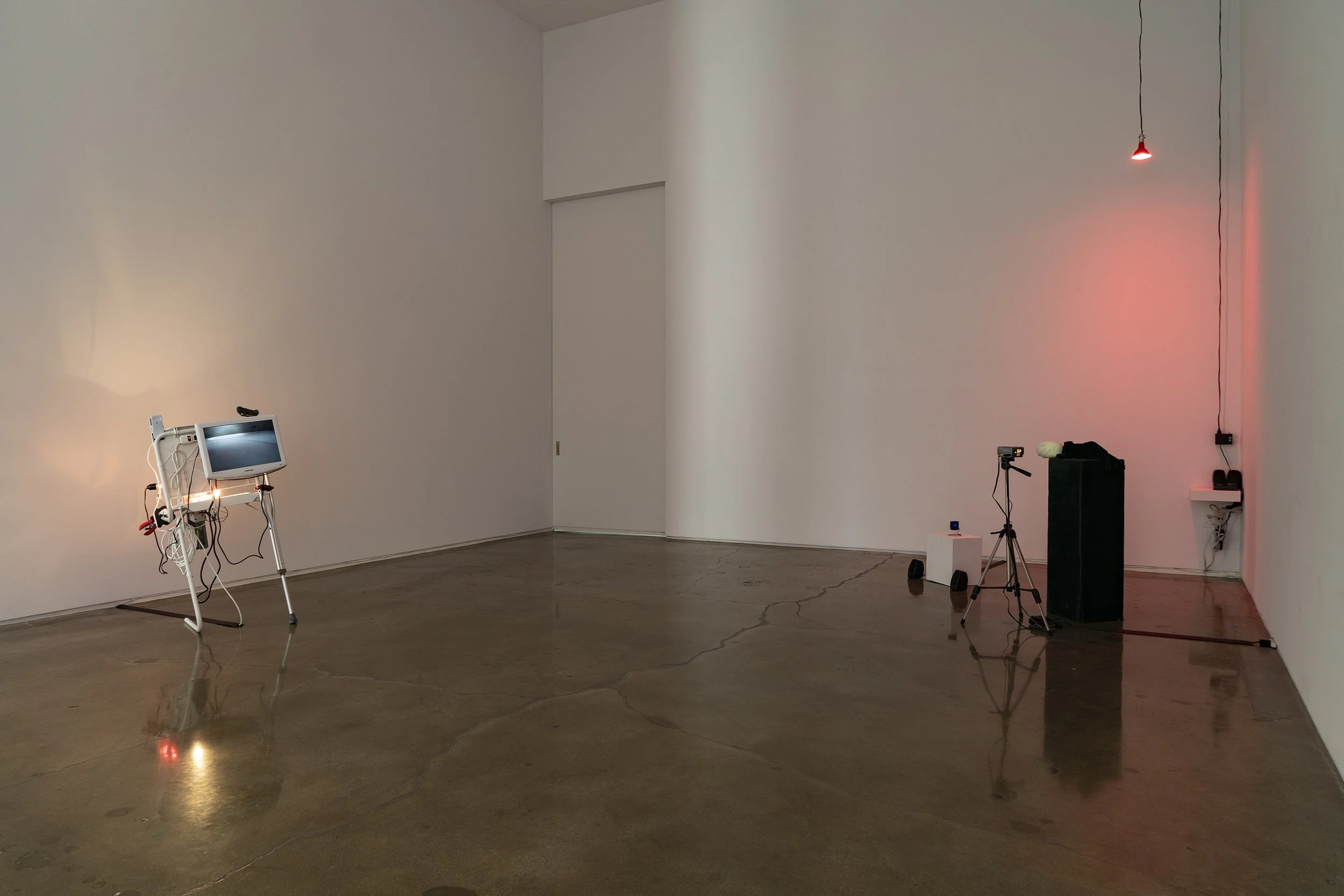
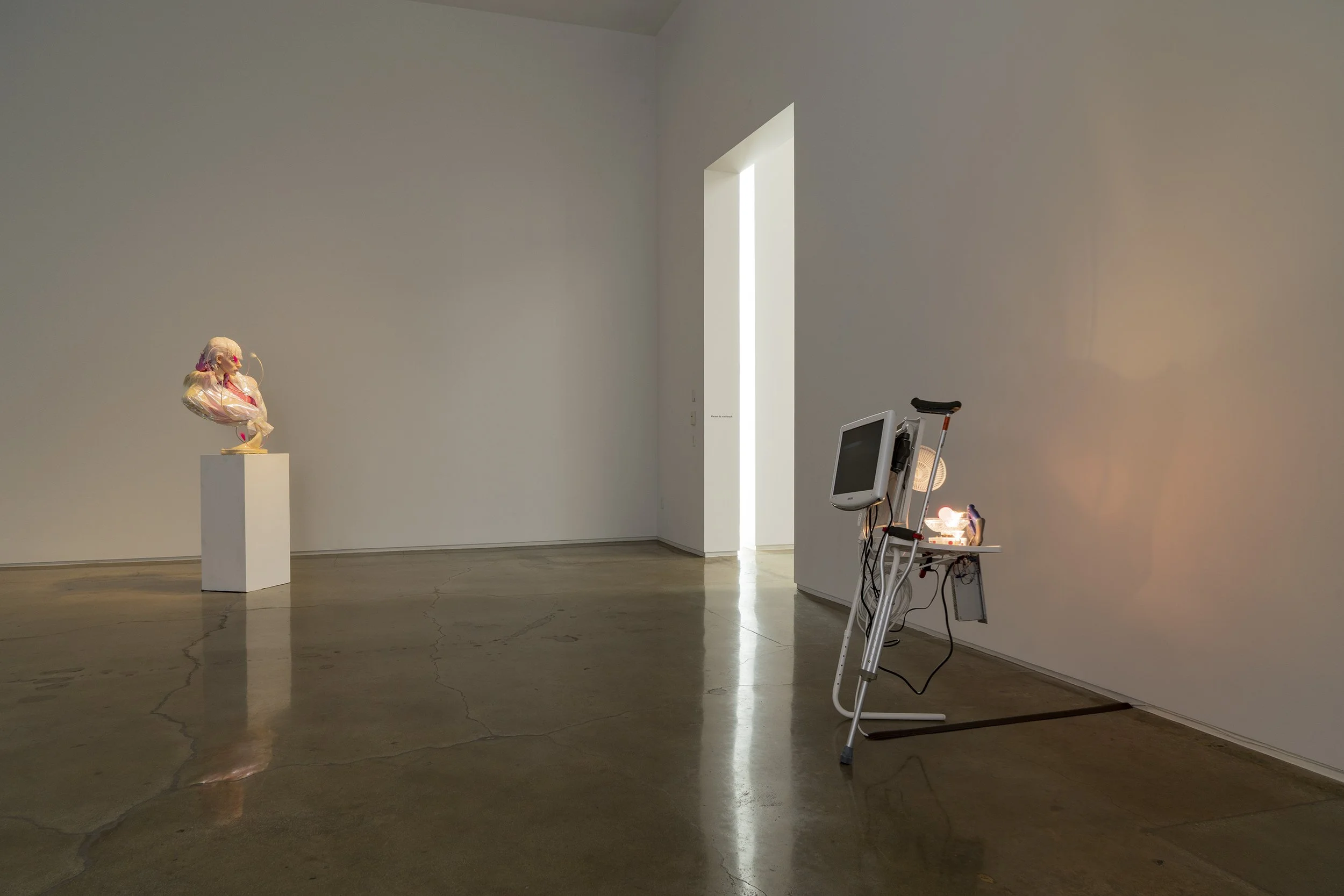
Michael Kohn Gallery is pleased to present Object Poetry, an active observation and engagement with sculptures that inhabit the lacunae where language lapses. The featured works–spanning performance, kinetics, and assemblage–use sound, light, video, movement and found objects as structural mnemonic devices. Across three “verses,” or participatory environments, the presentation asks, “What possibilities do these forms make actual?” Guided by this central question, adopted from artist, Intermedia theorist, and Fluxus co-founder Dick Higgins, the exhibition engages the viewer as a physical and emotional participant. Object Poetry opens June 11th and will be on view through September 9, 2026.
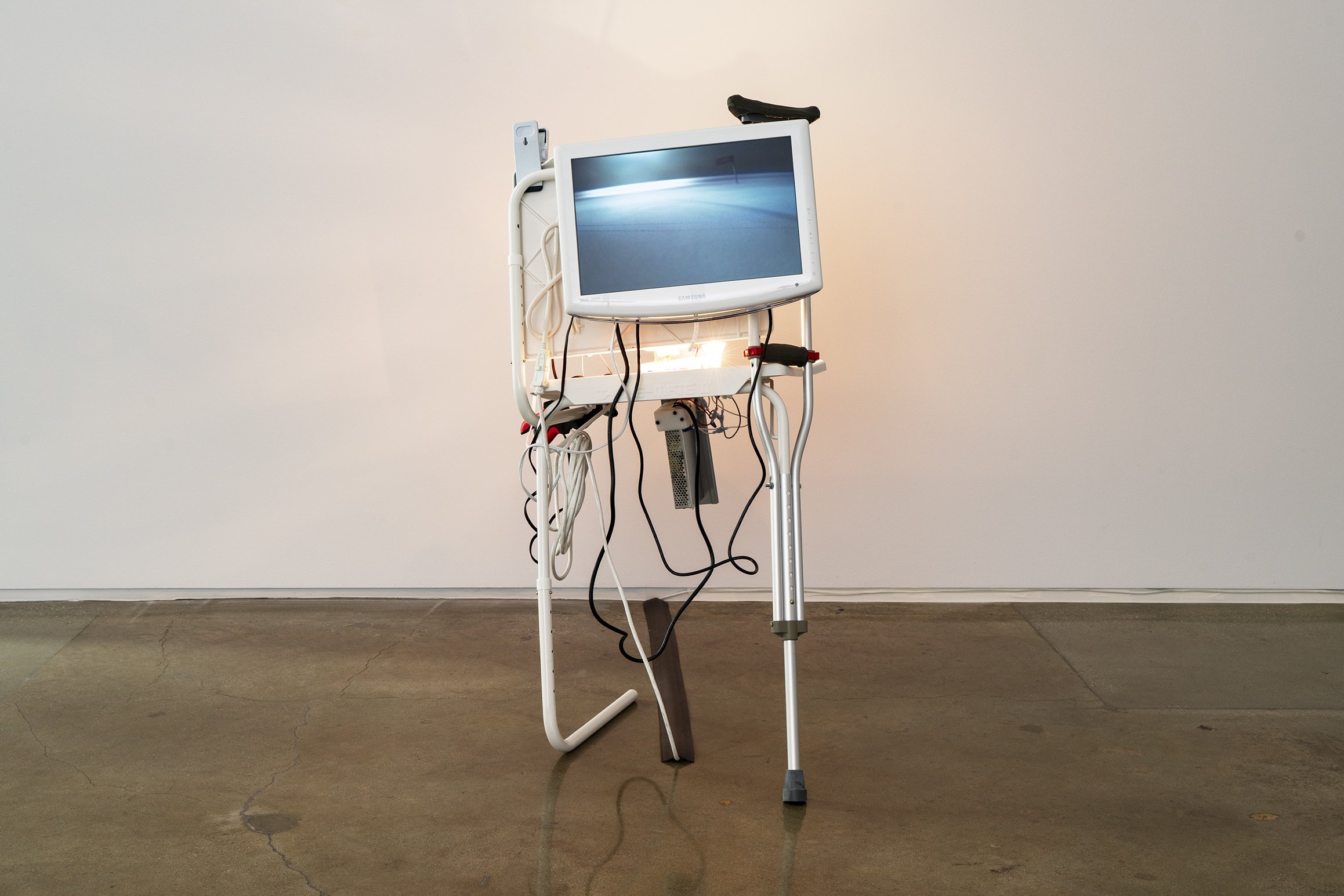
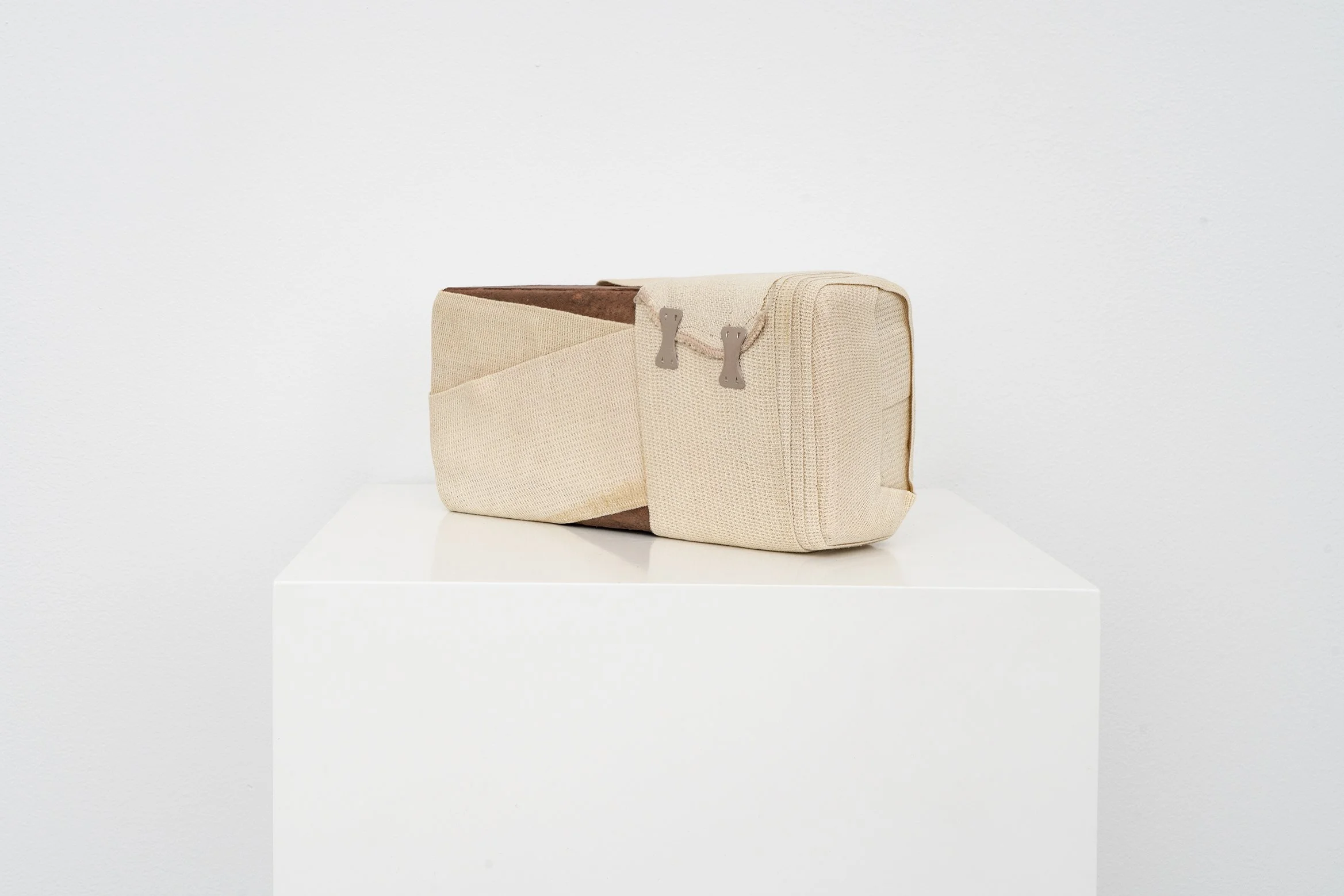
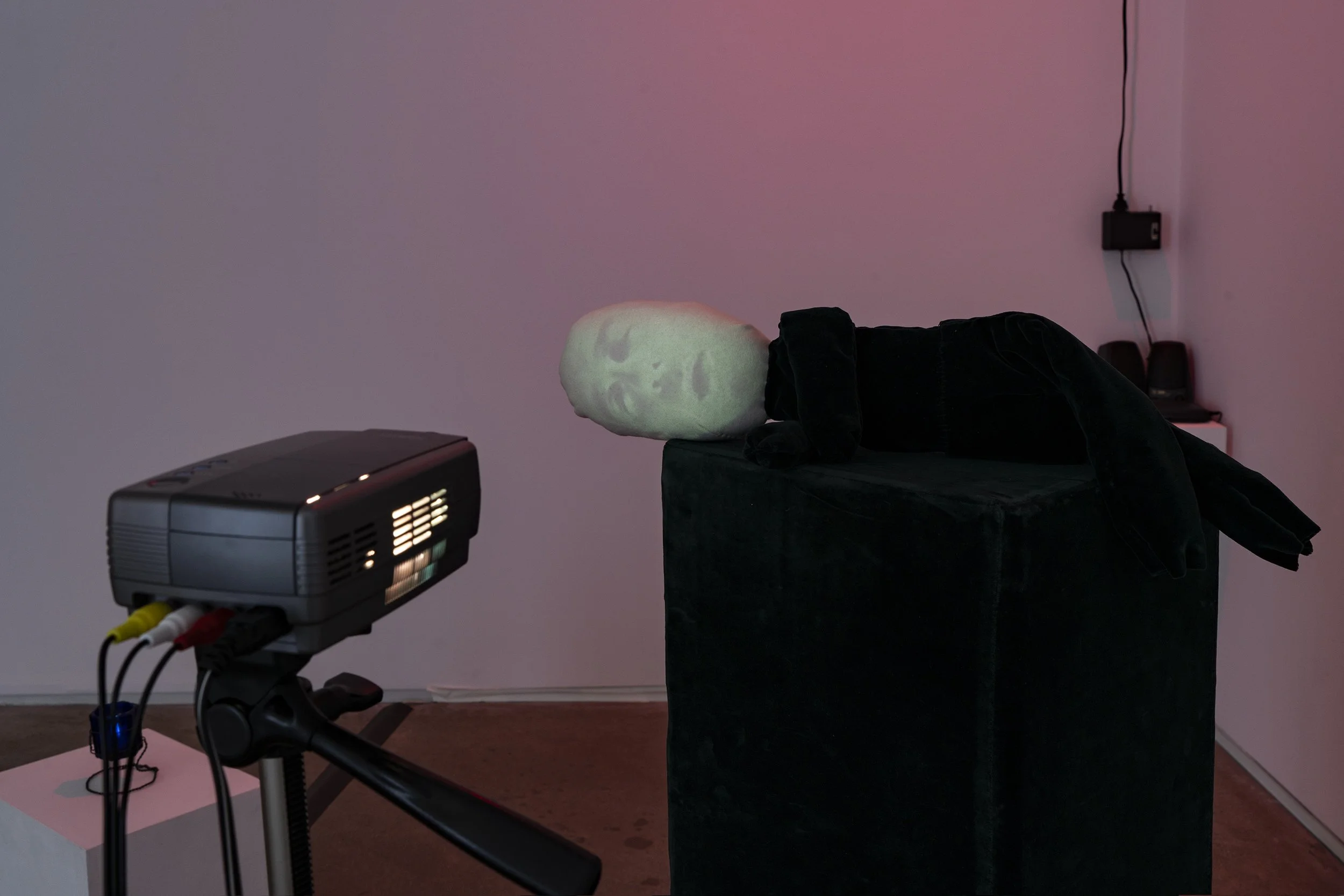
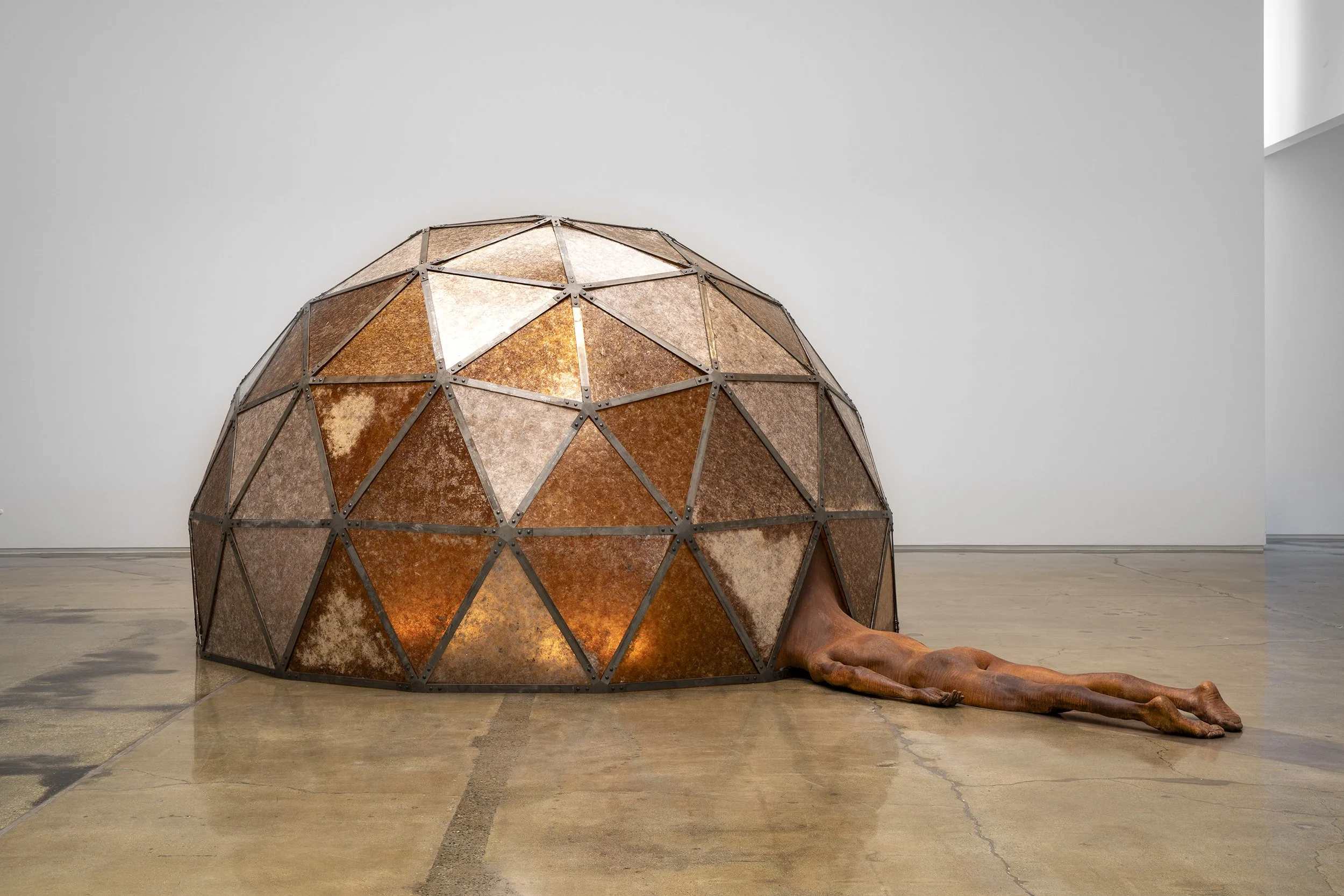
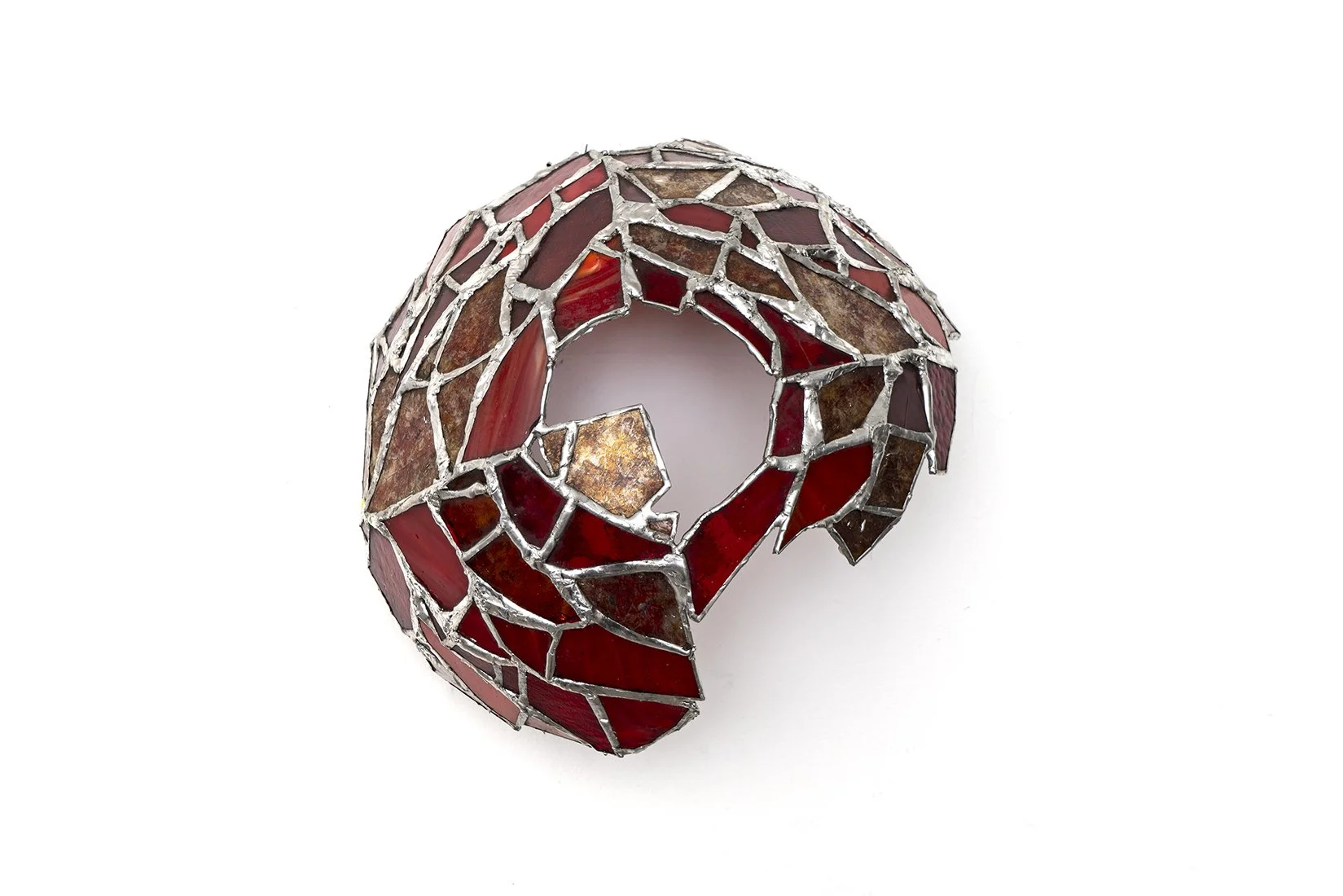
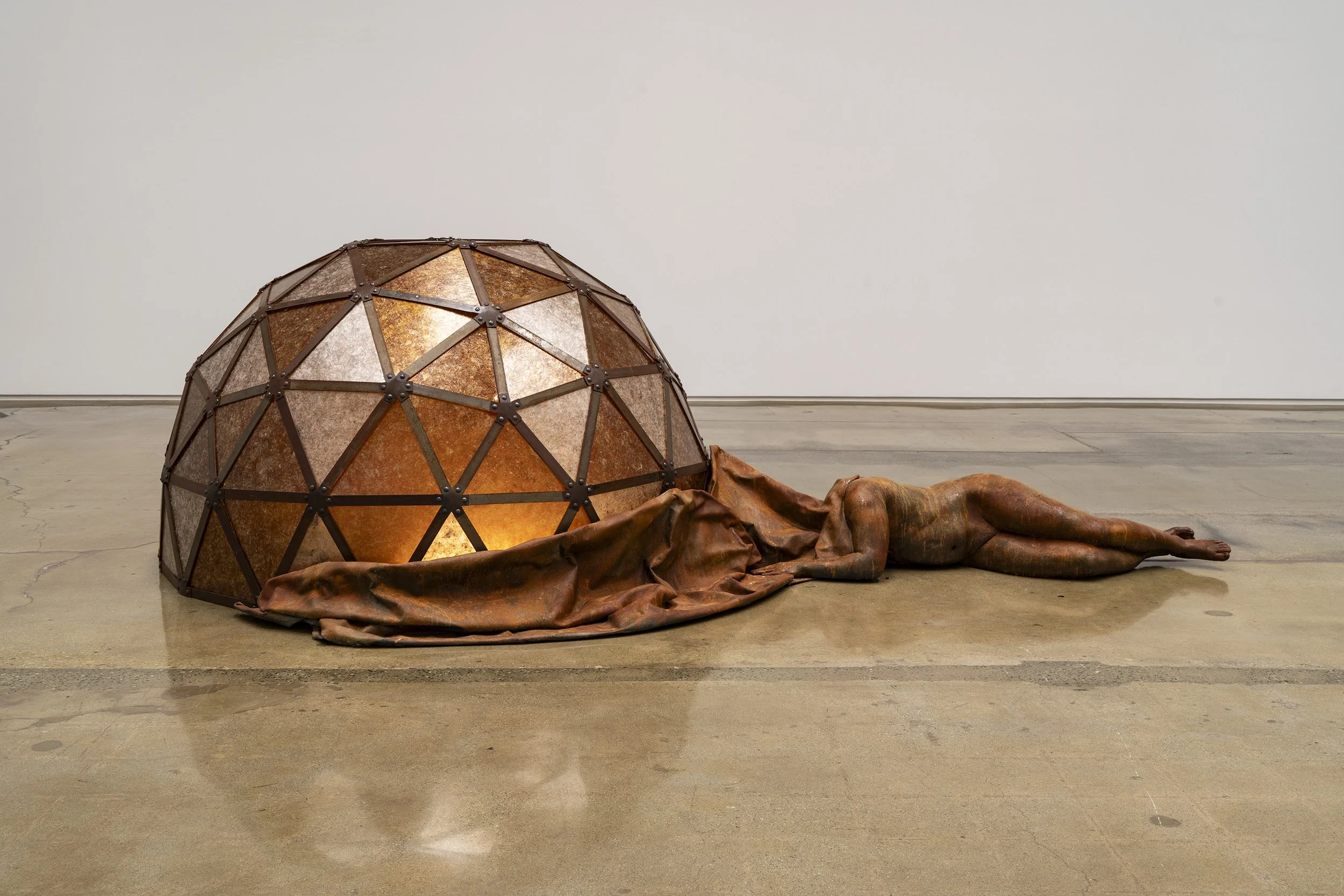
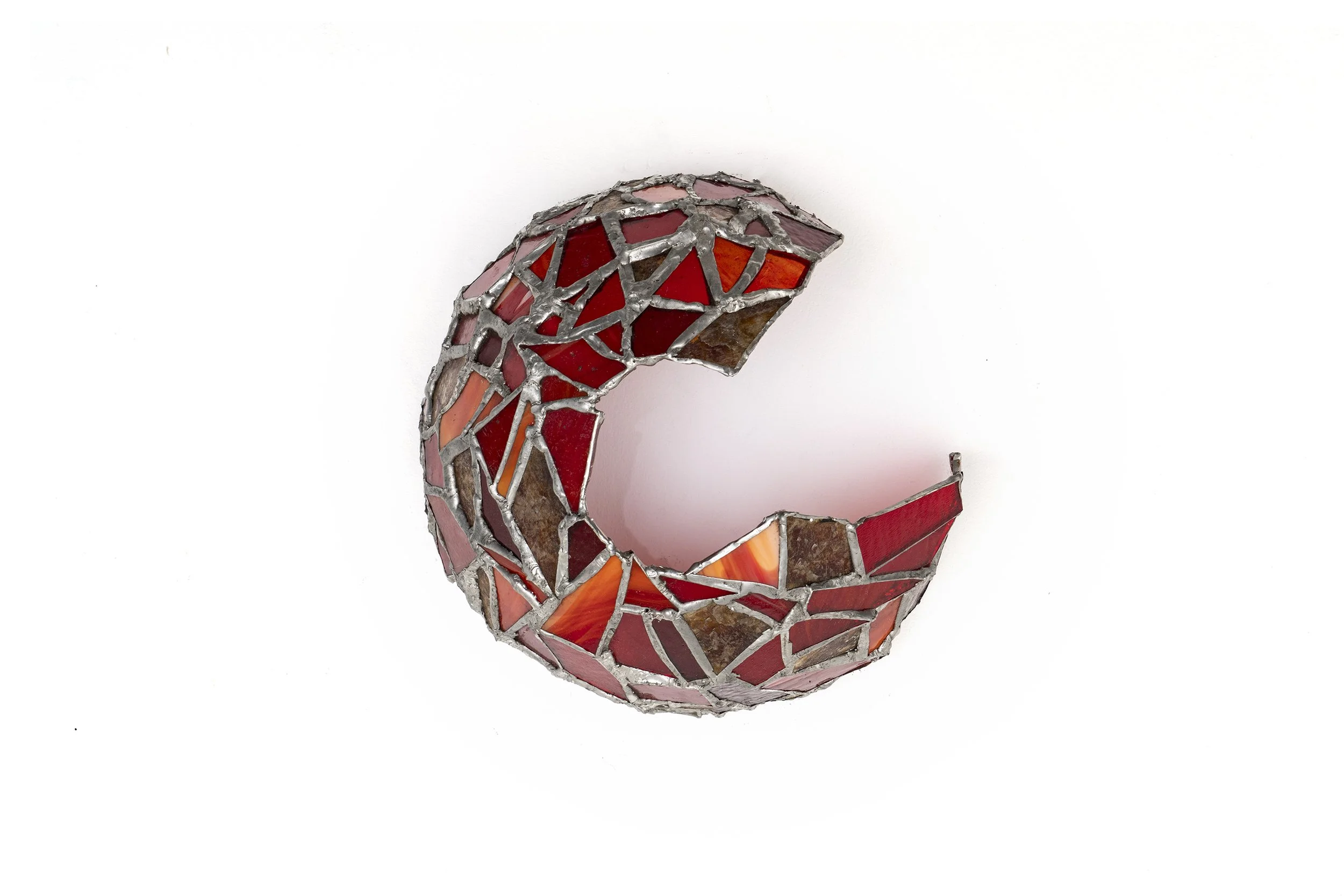
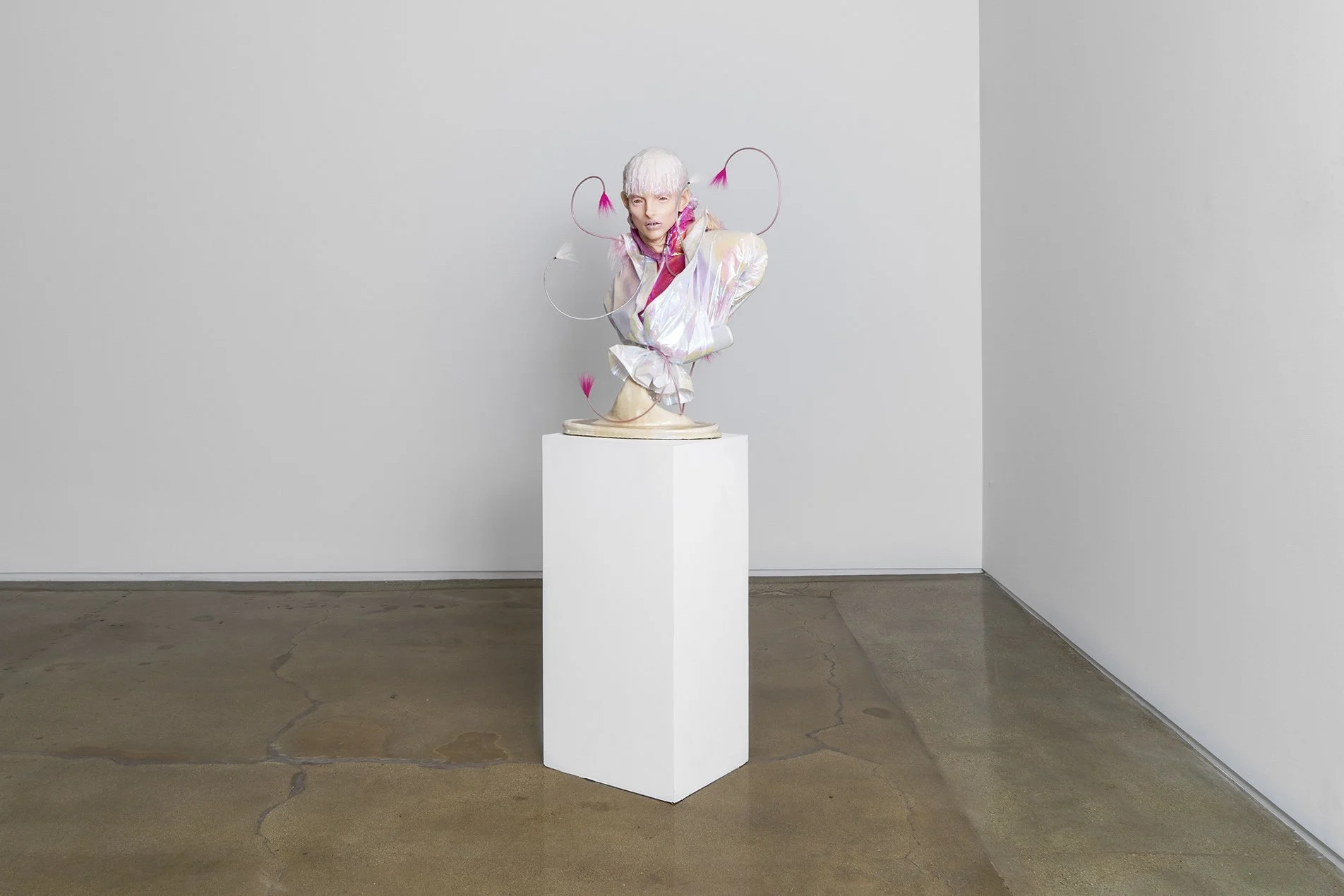
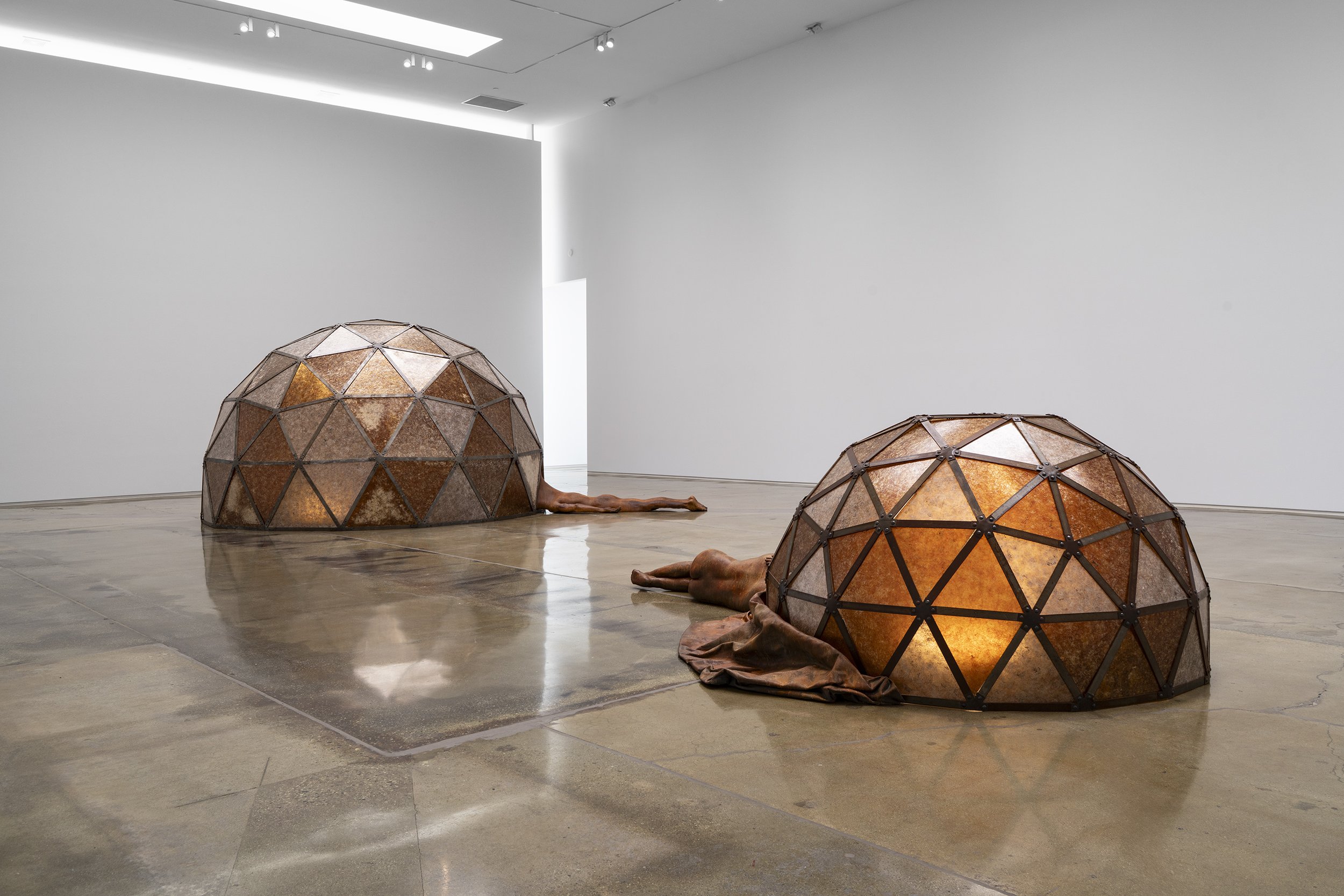
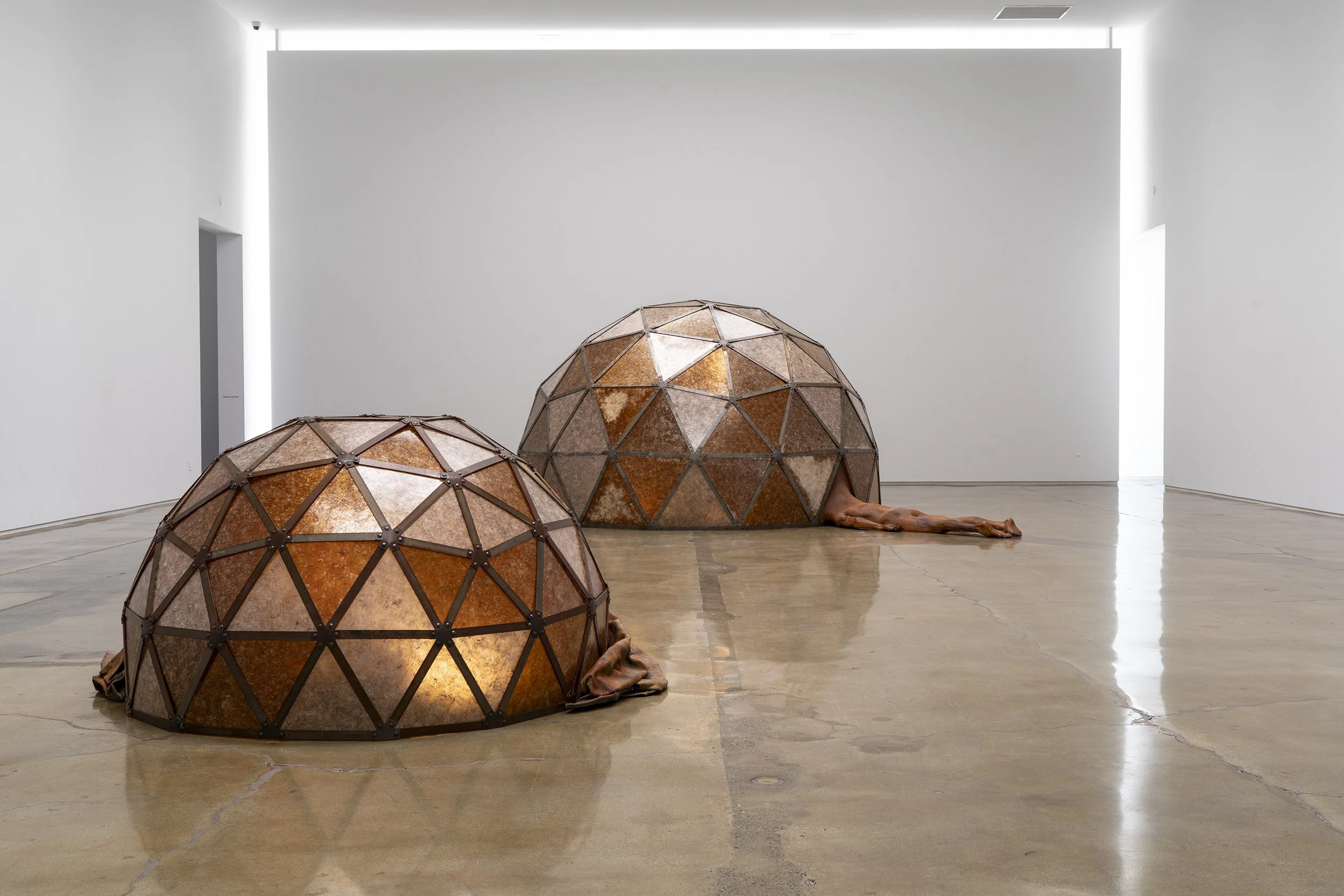
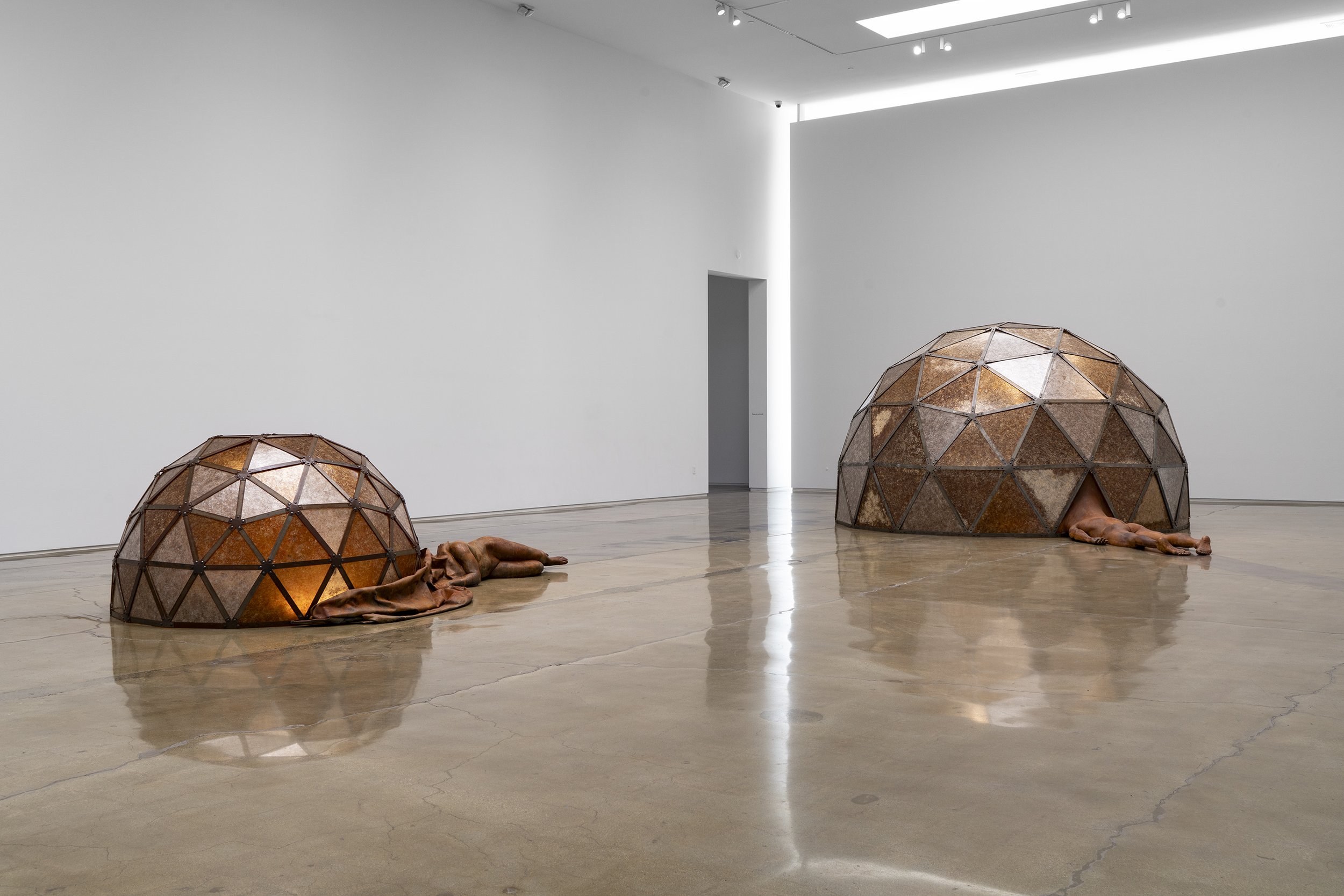
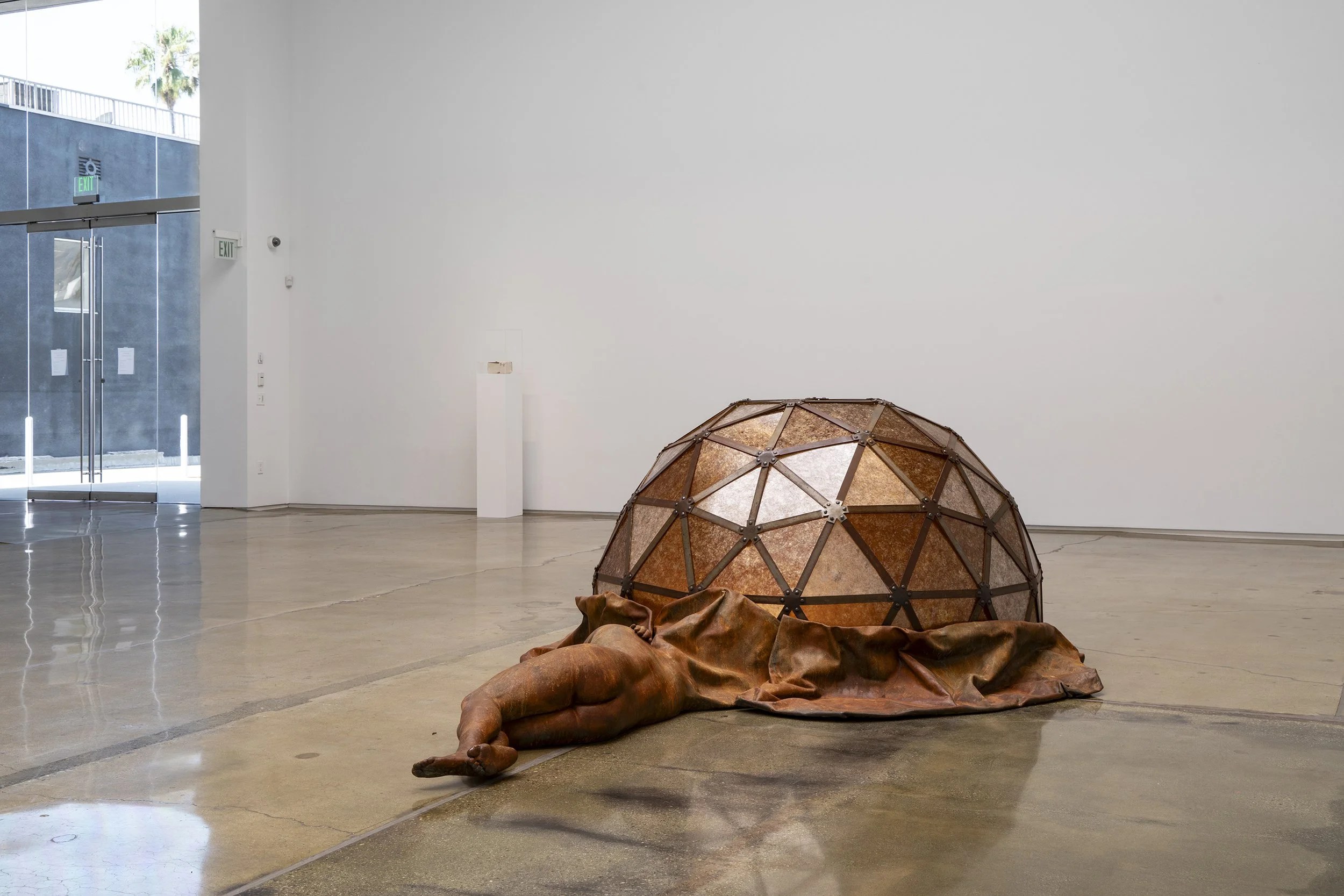
Rather than representations, the human and non-human sculptures by artists Ian Burns, Bruce Conner, Tony Oursler, Chiffon Thomas, and Cajsa von Zeipel are reconfigurations of the psychological, physical and meta-physical human experience. Thomas embodies a new modality of existence through a sonic and performative inversion of human and architectural faculties, while von Zeipel situates post-capitalist themes in a futuristic, human-object cyborg, and Burns in a kinetic live-feedback sculpture of everyday objects. Oursler’s audio-visual sculpture projects a media-saturated consciousness onto an electronic entity, and Conner reduces feeling to a conceptual melding of found objects. In between each point of origin from which the artists build, and augment, are constructions united by their intermedial entanglement with sonic vibrations, lo-fi experimentation, digital performance, and ephemeral qualities.
Object Poetry proposes an attentive look at material’s capacity to tangibly articulate the poetics of memory; identity; consumption; and the psyche. The forms are not surrogates for ideas but their terrestrial manifestations.
Object Poetry opens June 11, 2026, at Michael Kohn Gallery and will be on view through September 12, 2026. During the final week of the exhibition, Chiffon Thomas will activate his sculpture, Untitled (Dome Figure I), with a durational performance titled Polish.
ABOUT THE ARTISTS
Australian-born, NYC based, artist Ian Burns’ (b.1964) practice revolves around the development of systems and processes that subjugate the seductions of consumer culture, technological media, and visual clichés to supporting roles in the creation of forms and systems that privilege the unique experiences of physicality, curiosity and awareness to be found on that thin line between the poetic and the ridiculous. His sculptural forms utilize basic construction and found object assemblage, typically from the results of dumpster diving and discount store shopping expeditions, combined with kinetic and technological tools. Burns’ investigations reflect the insights, humor and experiences of his broad background that has encompassed working experience in professional sports, engineering, business management, teaching, handmade crafts, contemporary art, laboring and lawn mowing. He holds Bachelors degrees in Engineering and Fine Art, a Masters in Fine Art, a PhD in Philosophy as well as being awarded a Post-Doctoral research grant.
Internationally recognized American artist, Bruce Conner (1933-2008), is best known for his assemblages, surrealist sculptures, avant-garde short films and detailed paintings and drawings. Conner’s innovative film works, often utilizing montaged shots from pre-existing footage and incorporation of pop music for soundtracks, have inspired generations of filmmakers and considered to be precursors to the music video genre. He was a central figure in the San Francisco Beat scene of the 1950s and remained an active proponent of the counter-cultural movement, at large through his death in San Francisco in 2008.
Tony Oursler (b. 1957) lives and works in New York, NY. Deeply rooted in a conceptual framework, Oursler conjures multimedia and immersive experiences which combine traditional art making tools with new technologies. Oursler is known for his work with moving images, installation and projection. Referencing a fully networked, digitally assisted future of image and identity production while harking back to the phantasmagoria, camera obscura and psychedelia, Oursler is keenly aware of the viewer as a participant in his work. As a pioneer of video art in early 1970s California and New York, Oursler developed a unique fusion of poetic free-association, stream of consciousness, dramaturgy and radical formal experimentation, employing painting, animation, montage and live action: “My early idea of what could be art for my generation was an exploded TV”.
Chiffon Thomas’s (b. 1991) practice is an interdisciplinary one, ranging across hand embroidered mixed media painting, collage, drawing, and sculpture. Thomas’ powerful figurative assemblages examine the difficulties faced by defining one’s identity in contemporary society. Through contorted figures and fractured compositions that float seamlessly between historical and contemporary styles and references, Thomas portrays a form of self-expression that puts human touch at the forefront of his art. Raised with a strong religious upbringing, Thomas’ work often grapples with conflicting beliefs, values, and desires, primarily using tactile methods of hand embroidery, collaged found material and paint to perform as an expressive visual language that interprets personal feelings of nostalgia, longing to belong, and affirmations of self-identity. Scenes from family photographs are deconstructed into sketches and then built back up with colorful fibers, stitch by stitch. A sense of texture and dimensionality is achieved through the varying weights of thread, which are sometimes densely layered and other times sparse. Domestic scenes appear to shift in and out of focus, resulting in visceral collisions of abstraction and clarity that invite viewers to decode the fraught relations between memory and reality, visibility and understanding.
Cajsa von Zeipel (b. 1983) delves into identity, gender, and queerness while interrogating ideals of classicism through sculpture. Culling from sci-fi and fantasy aesthetics, she constructs her figures in brightly colored silicone and adorns them with dollar store accoutrement turned glistening treasure. In a resolute assertion of femme visibility and sex-positive provocation, these beings celebrate a world of their own creation.