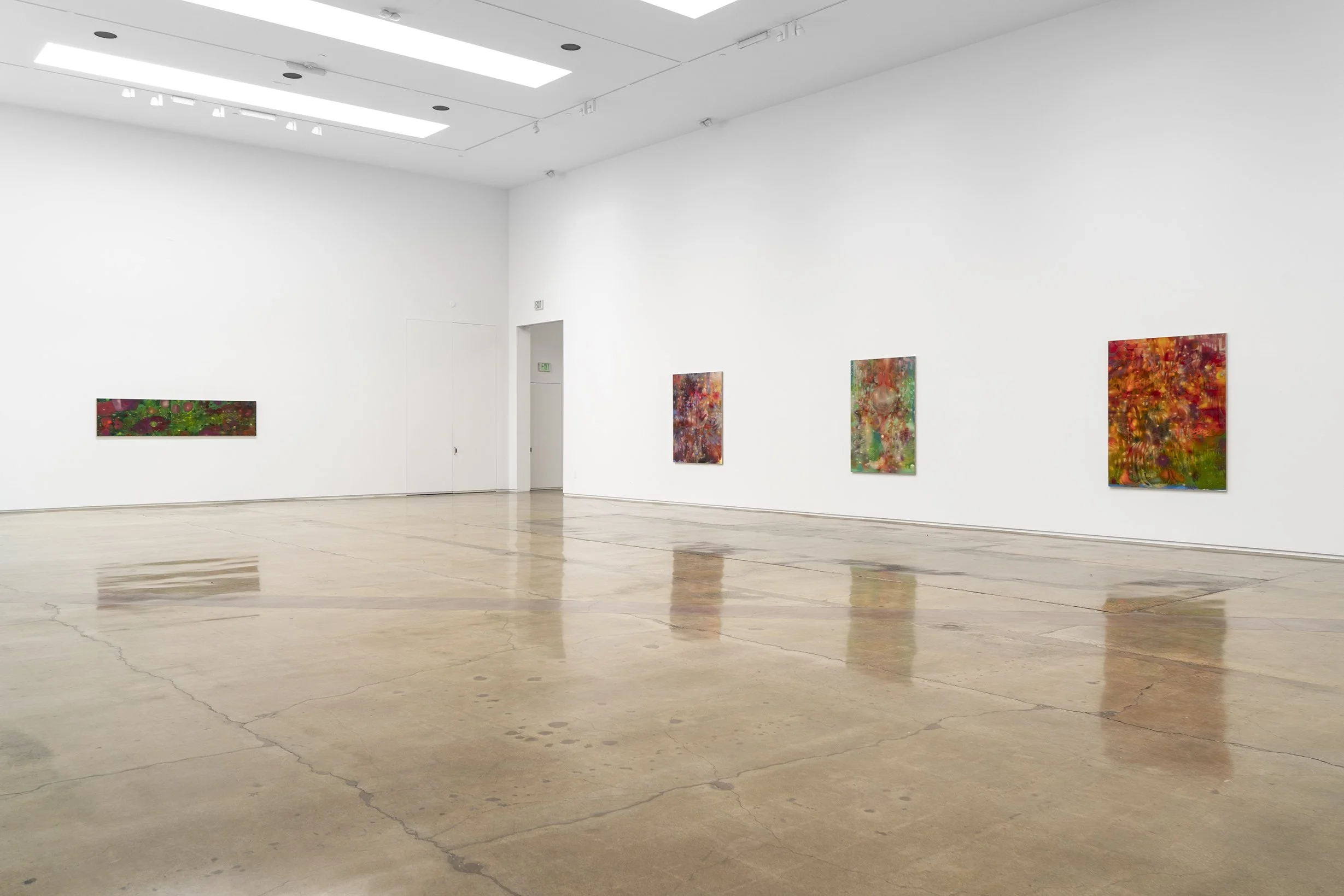
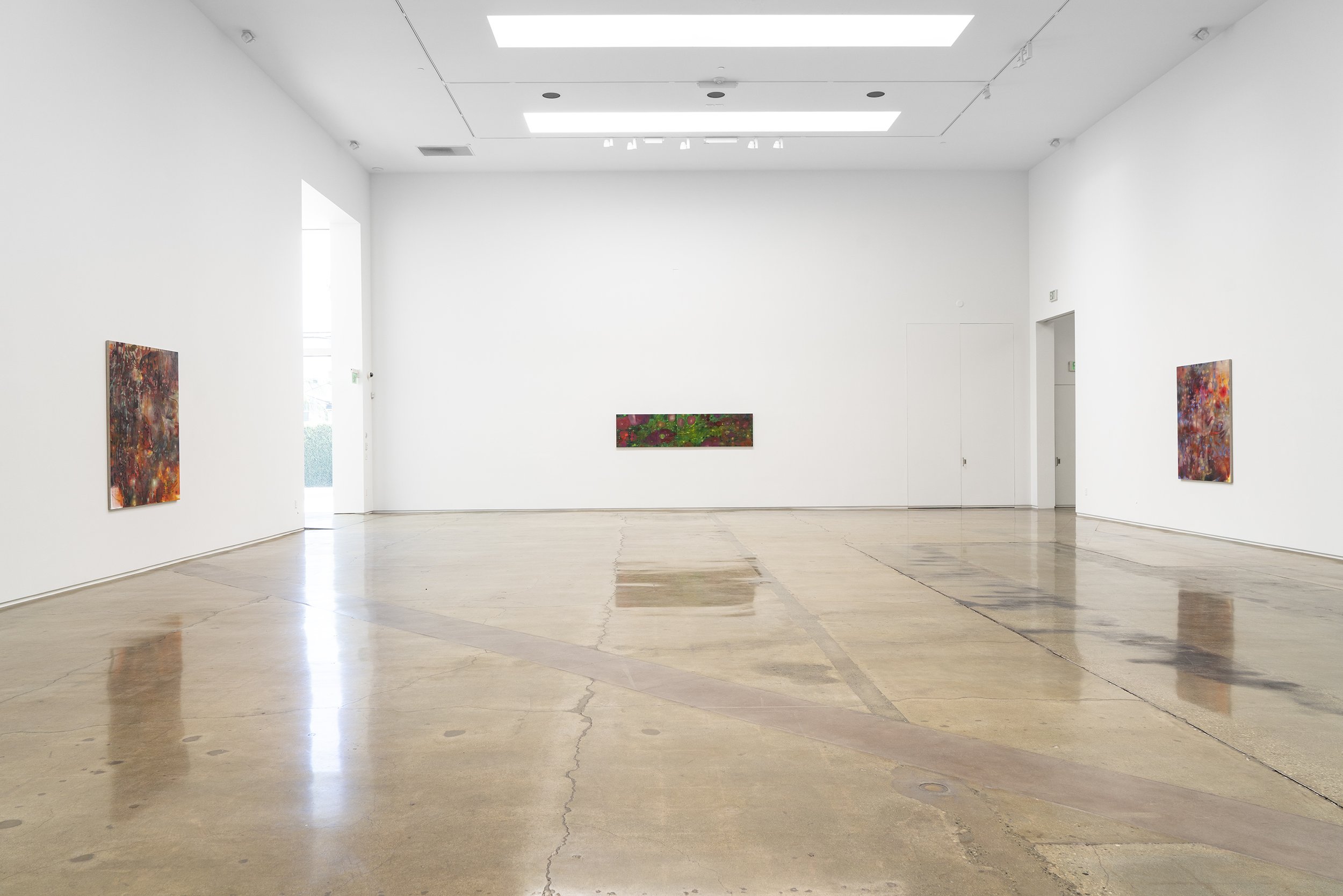
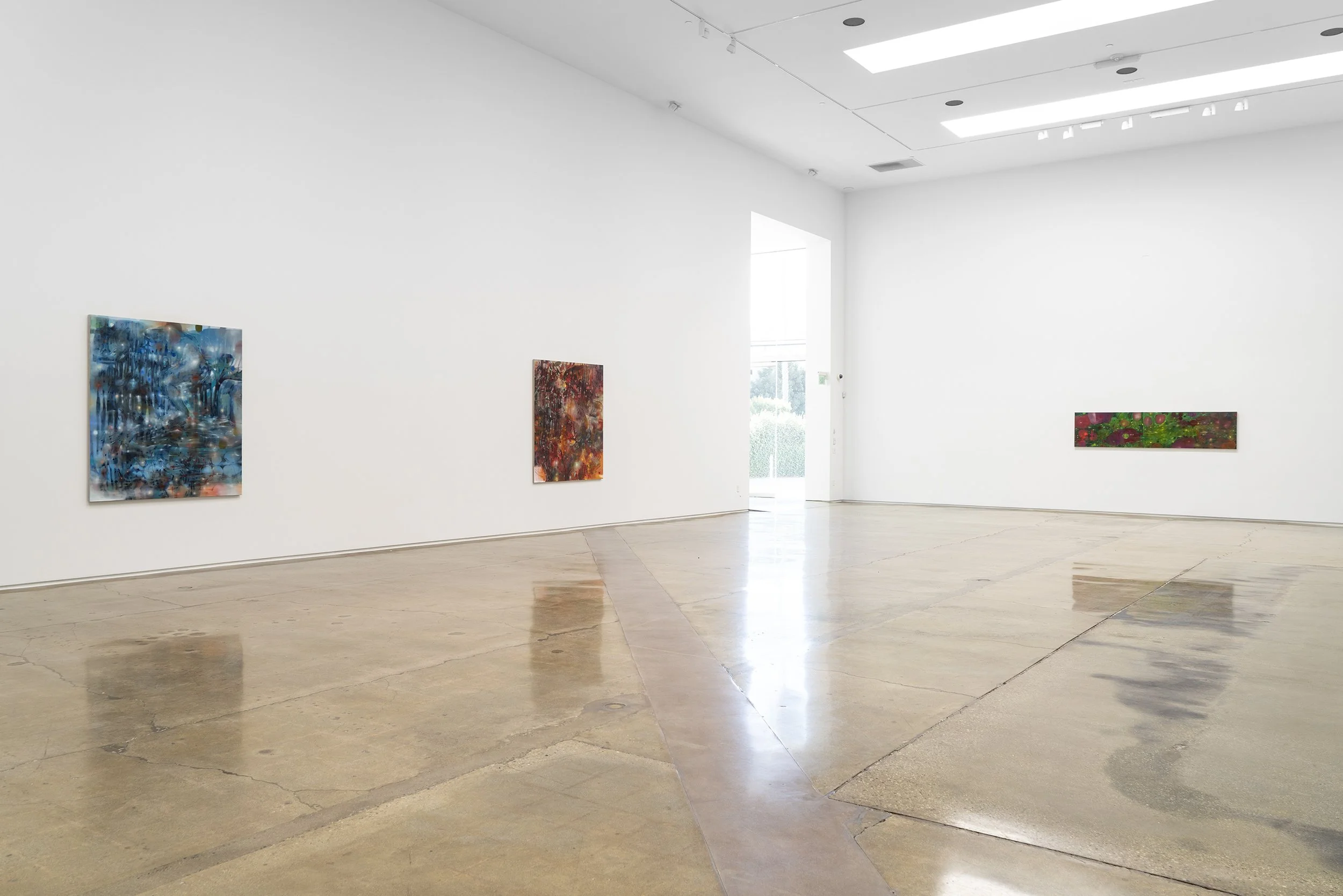
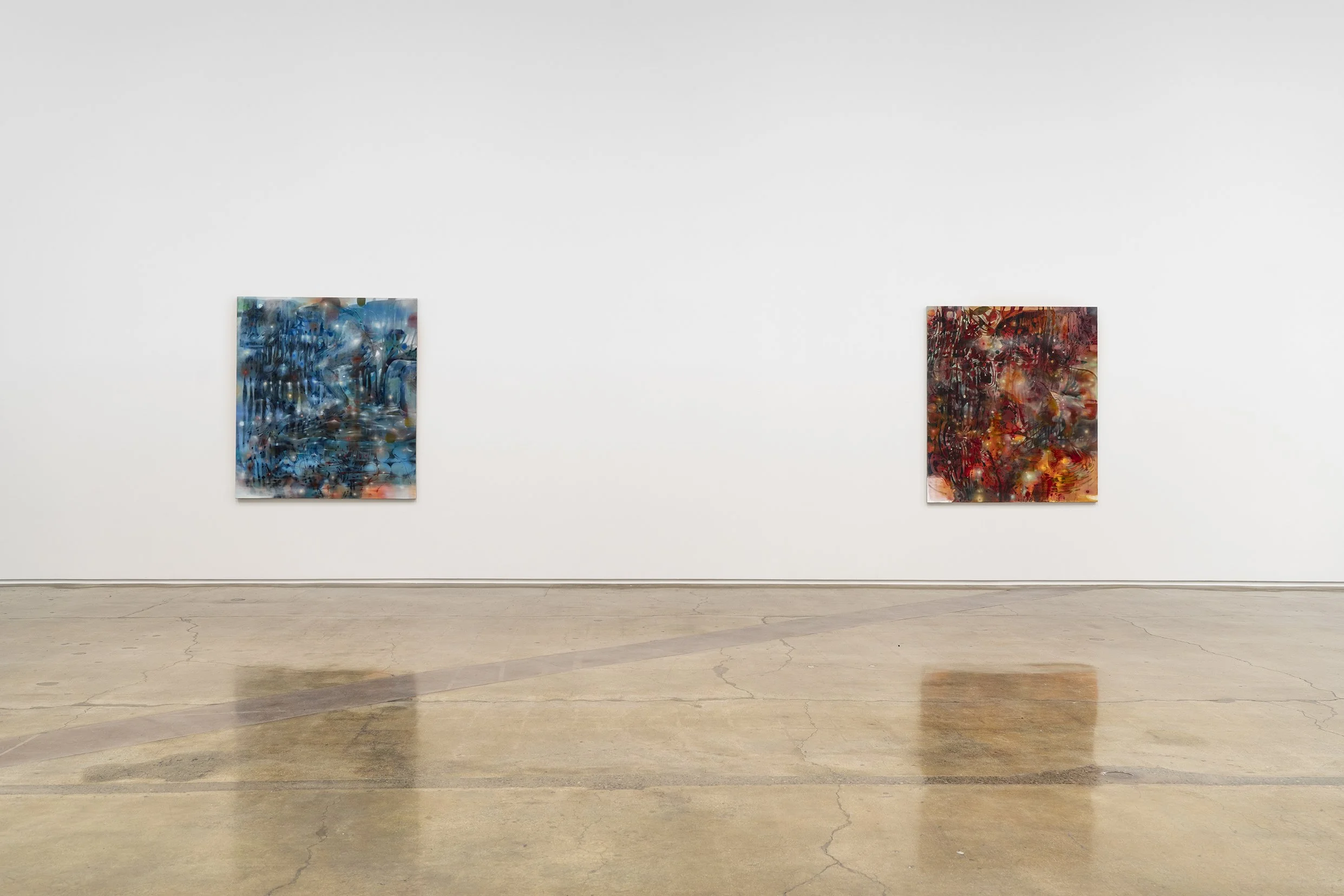
November 2, 2023 - January 6, 2024
Gallery 1 & 2
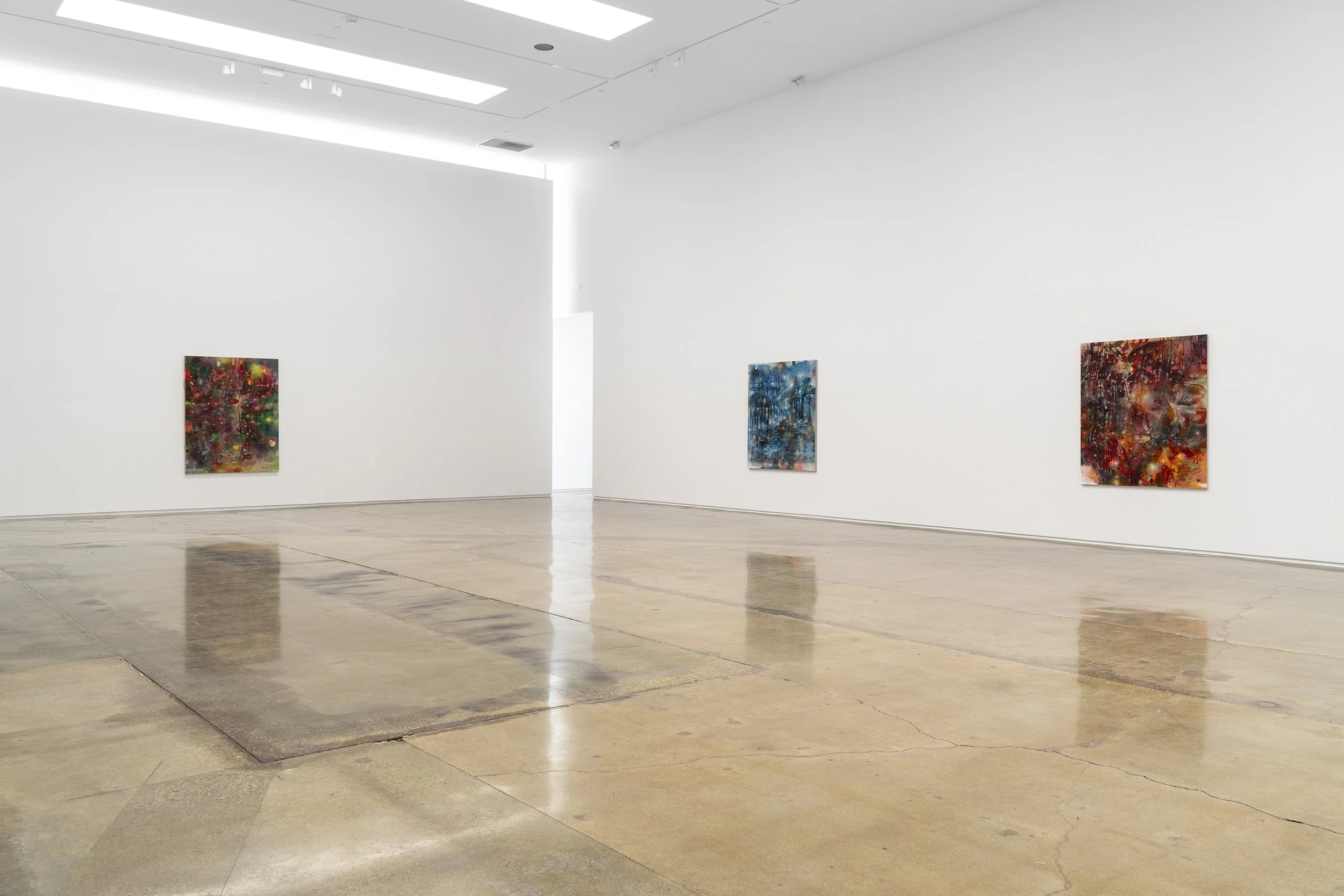
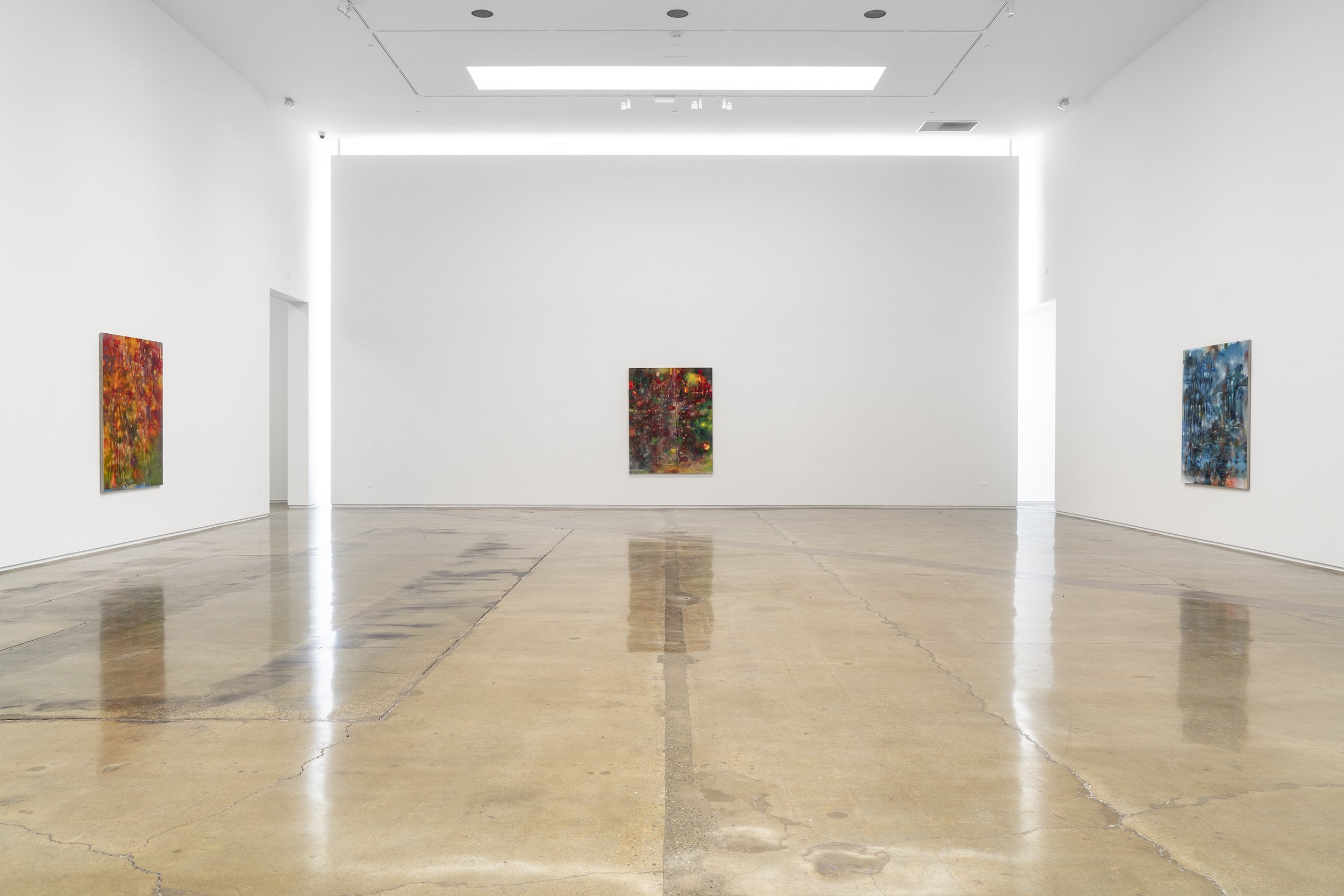
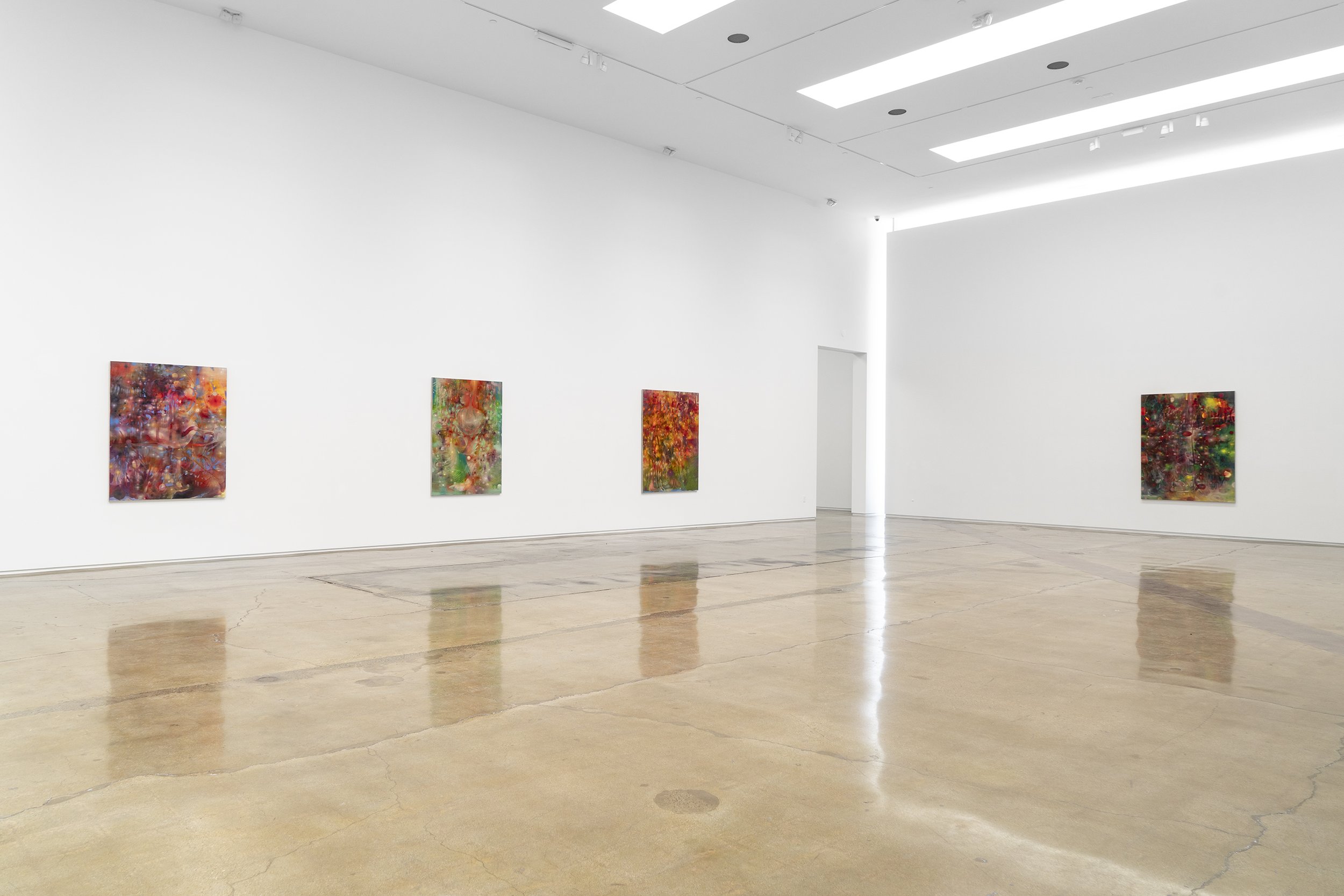
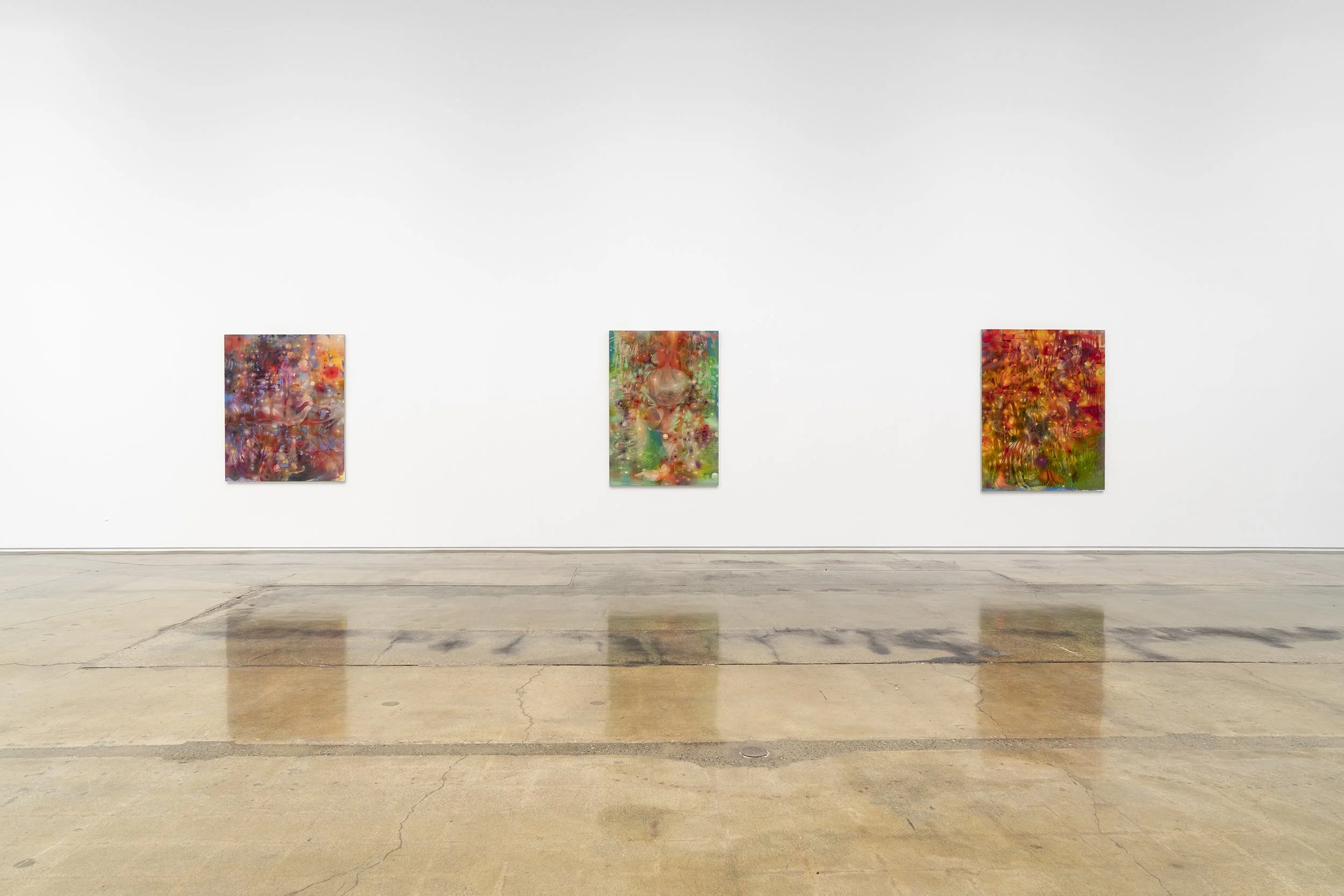
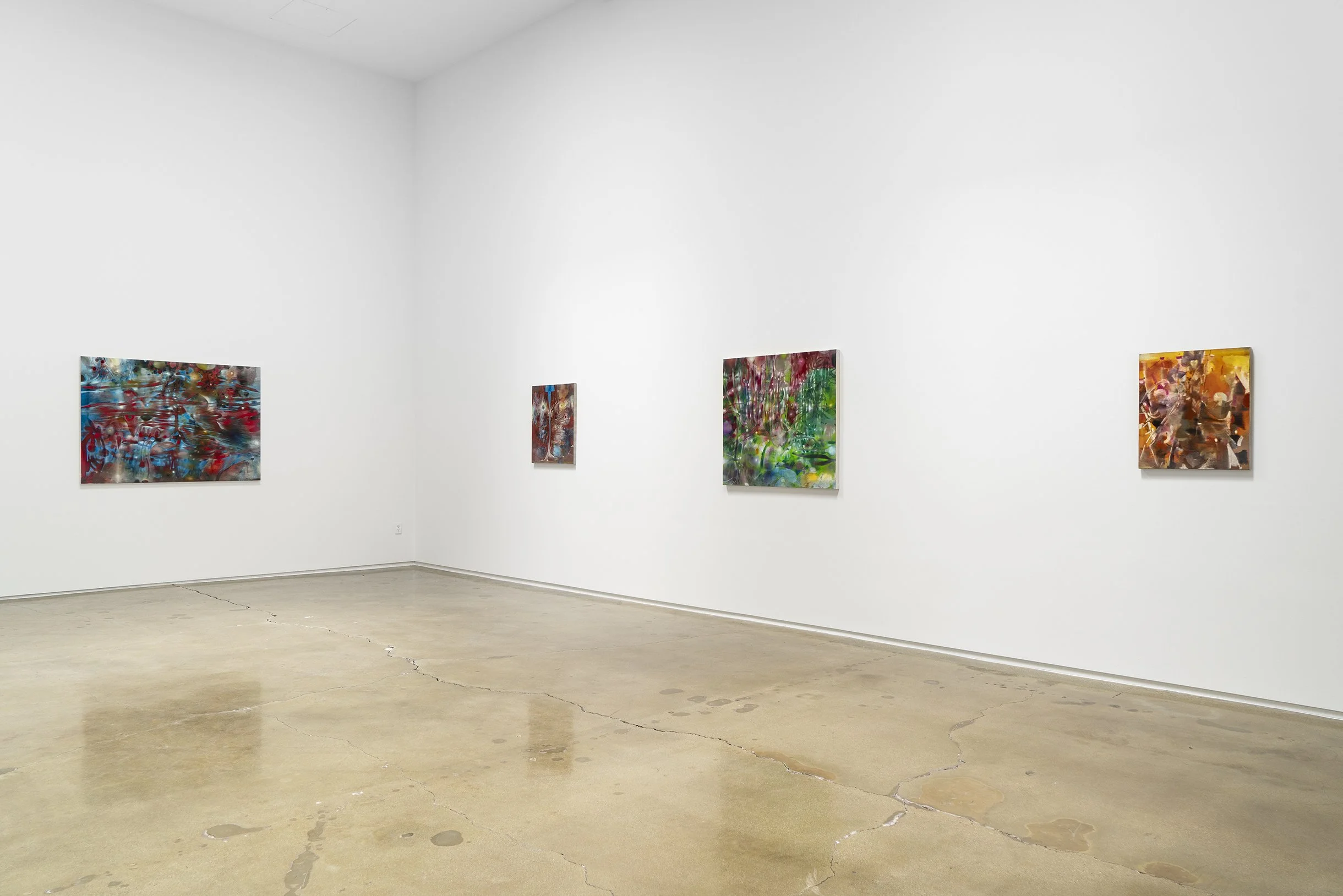
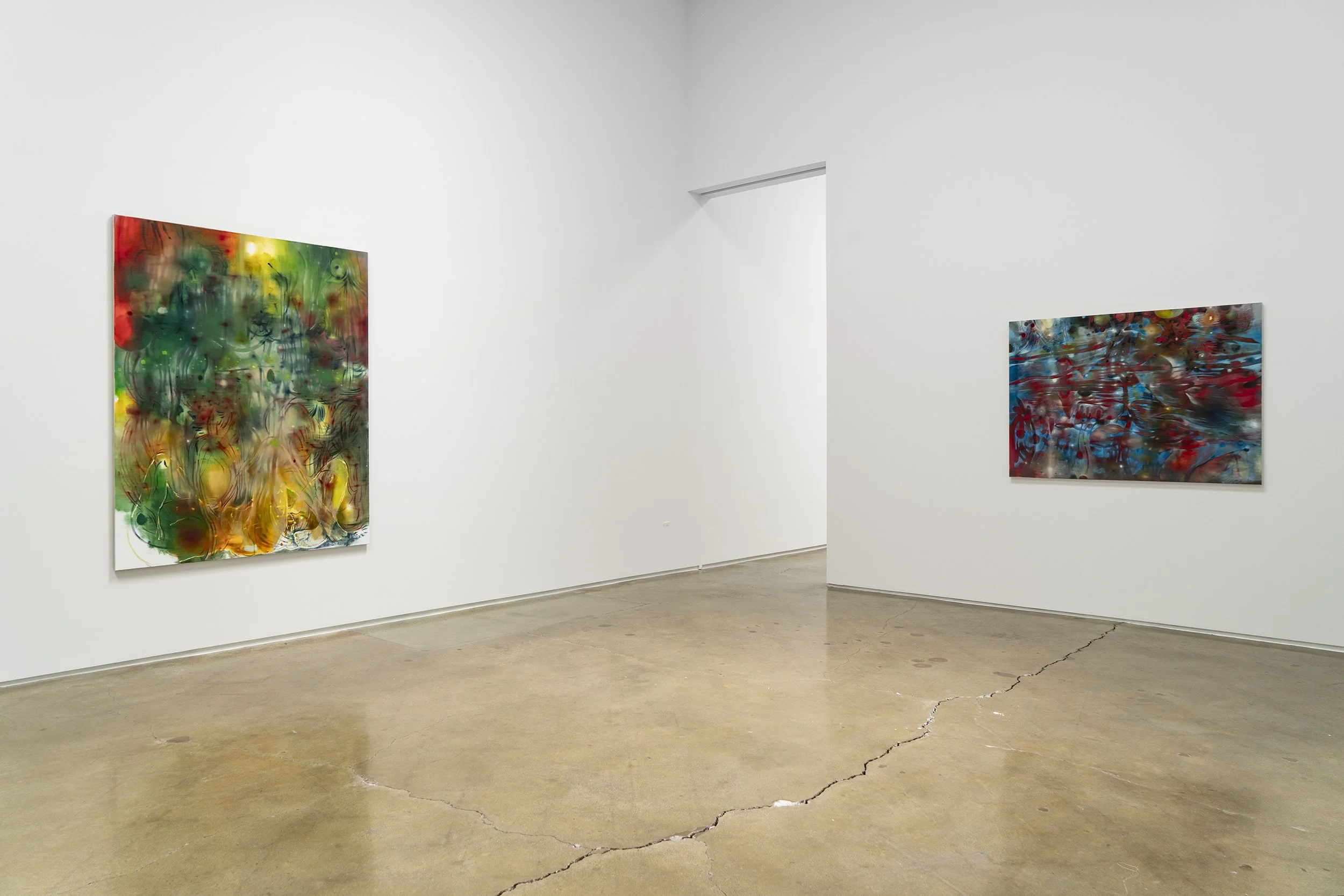
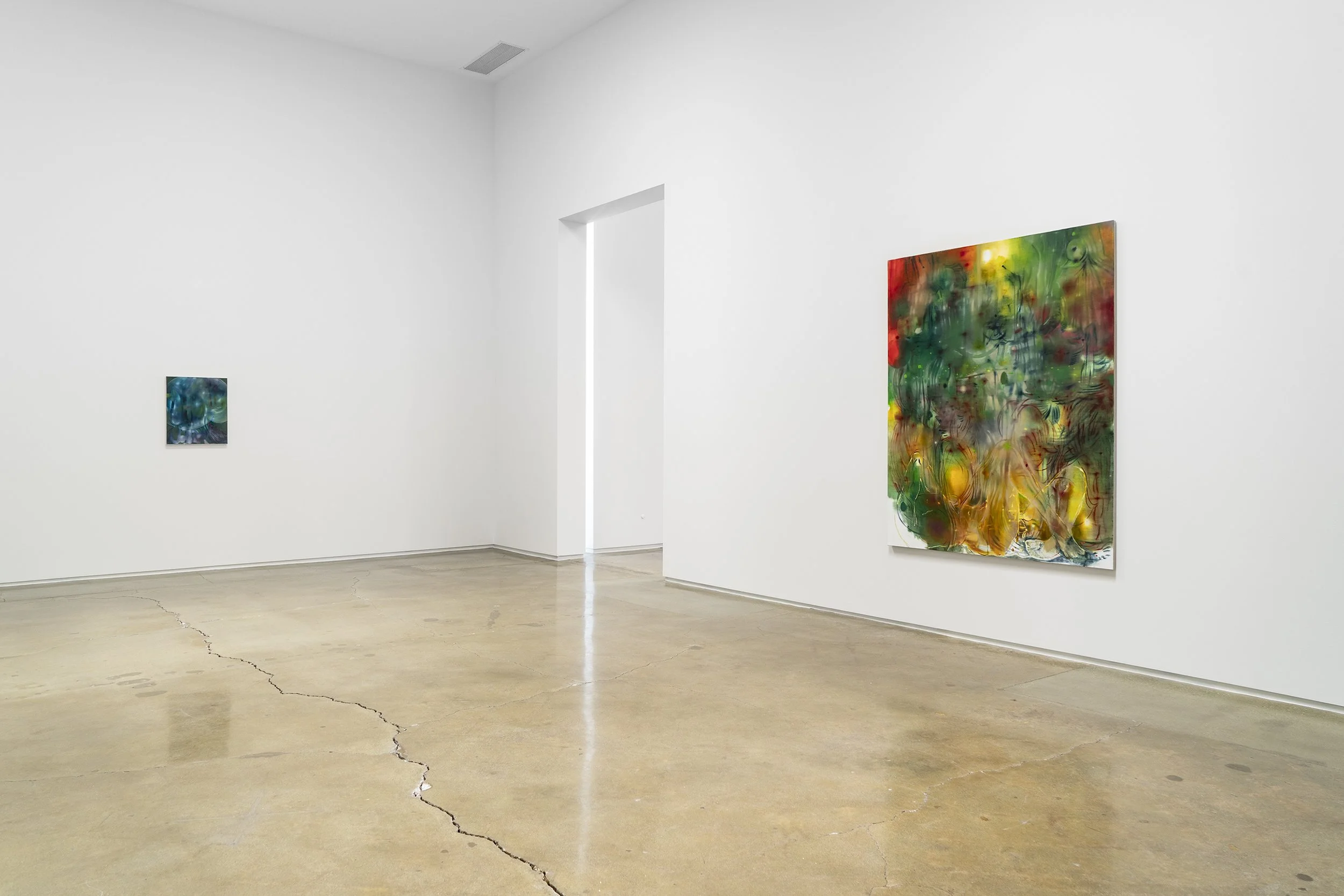
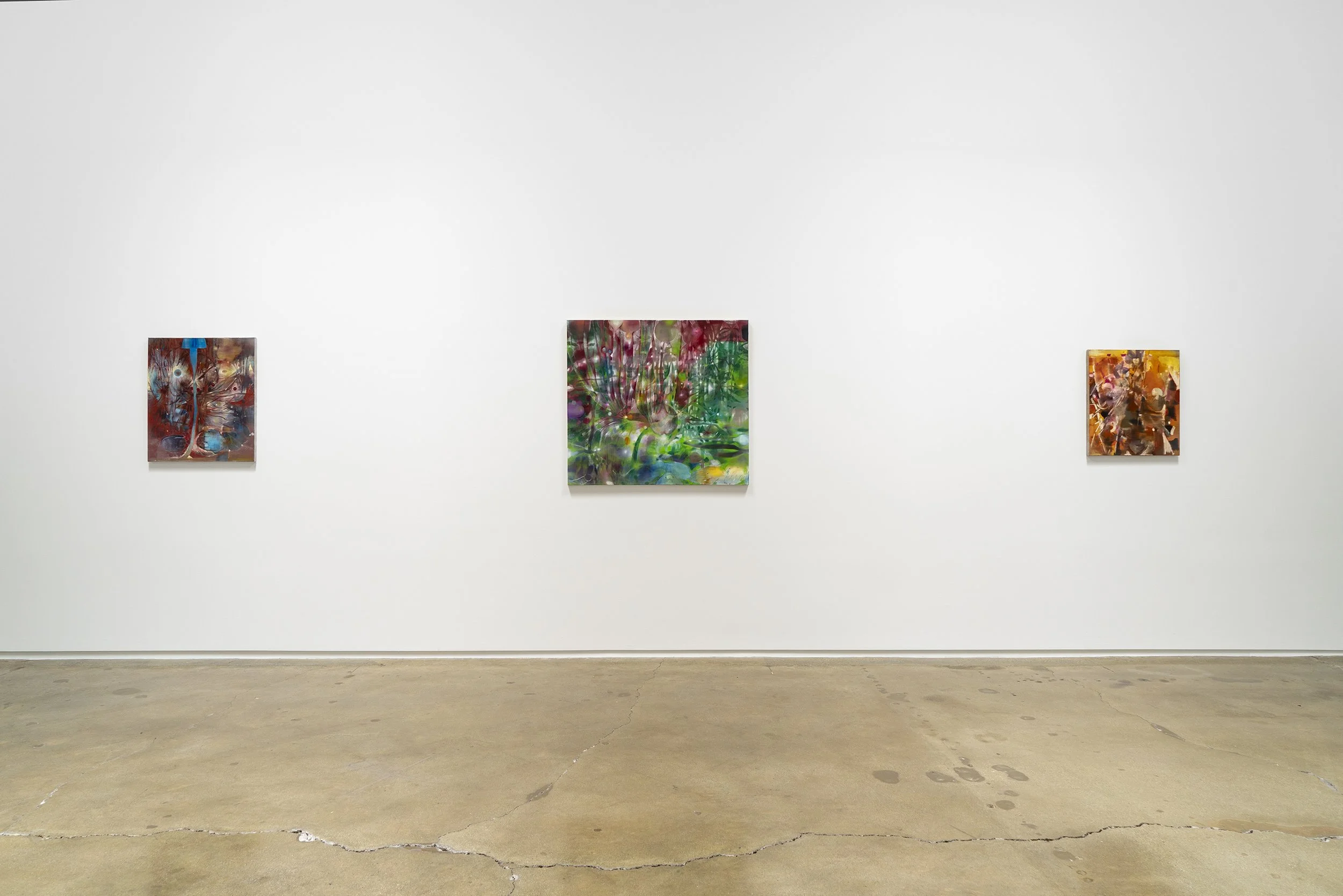
Michael Kohn Gallery is delighted to present a solo exhibition by London-based, Chinese artist Li Hei Di. In their debut exhibition with the gallery, Li’s aqueous paintings embrace an intimate, counterpoint dance between desire and repression. Translucent, human appendages lurk just below the surface, coming into focus only after processing the atmospheric brushwork and lush colors of the natural phenomena floating above.
Growing up in a conservative family, Li’s expression of their gender and sexuality remains a compelling thematic device in their works. The images Li paints are never fully figurative nor abstract; neither completely opaque nor entirely transparent. Instead, they embody a porous fluidity where marks on the canvas are made and then sacrificed into a new layer. Limbs and other figurative elements twist and construct themselves in loose, biomorphic forms, becoming unlikely, yet bold signifiers of the artist’s erotic imagination. “The figures in my paintings are like ghosts, translucent beings, not solid humans,” Li states in a recent interview.
Li draws inspiration from Tsui Hark’s classic wuxia film Green Snake (1993), based on the ancient Chinese legend of a romance between a man and a spirit serpent. Identifying with the titular antagonist of the story, Li finds kinship in the film’s reading of the Green Snake as a misunderstood outsider operating beyond the traditional heteronormative framework. The supple green and red textures of the film’s frames, as seen in Unquenchable Laughter, Inescapable Desert, permeate Li’s color palette and compositions, lending a raw and tender energy.
Li’s works sit in conversation with the gender defying oeuvres of Virginia Woolf and Paul B. Preciado, as much as they do with the scale of the Abstract Expressionists or Miriam Cahn’s vision of sexuality. To submerge into Li’s ethereal, fantastical paintings is to encounter the radical dream of a world freed from rigid social, cultural, and sexual norms. As Li explains, “They are possibilities, not conclusions; they are forever in transition, but not in a hurry to become someone.”