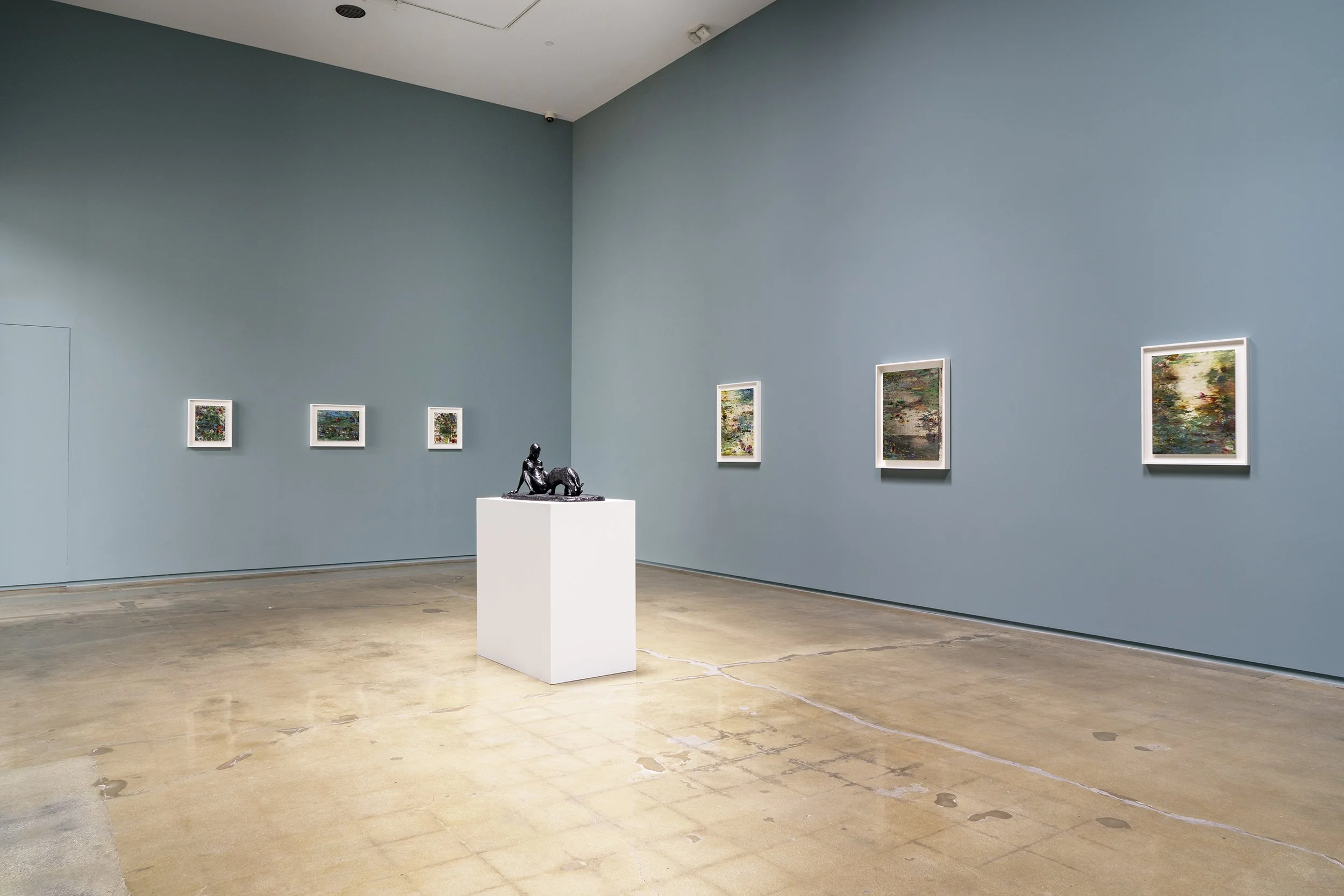
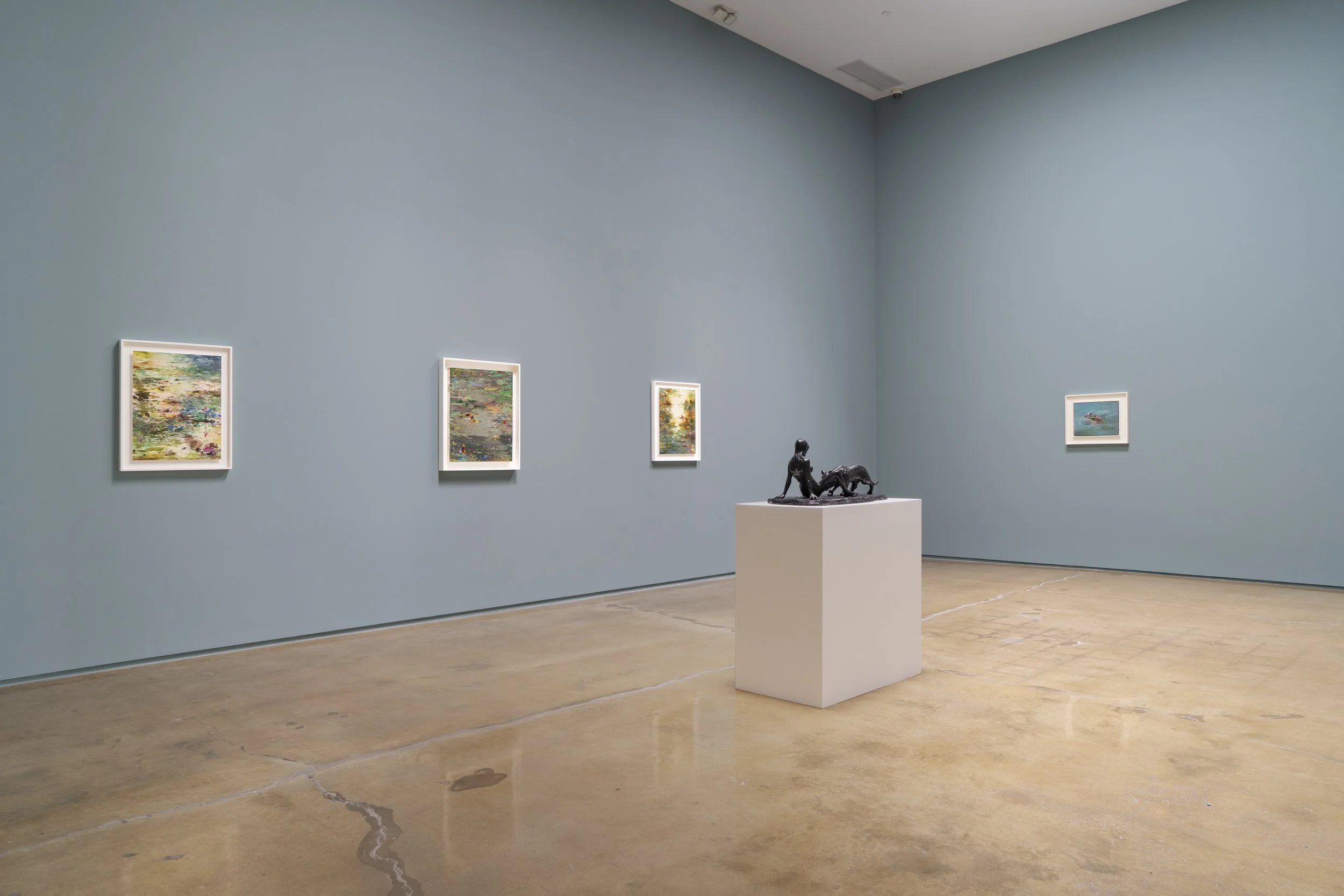
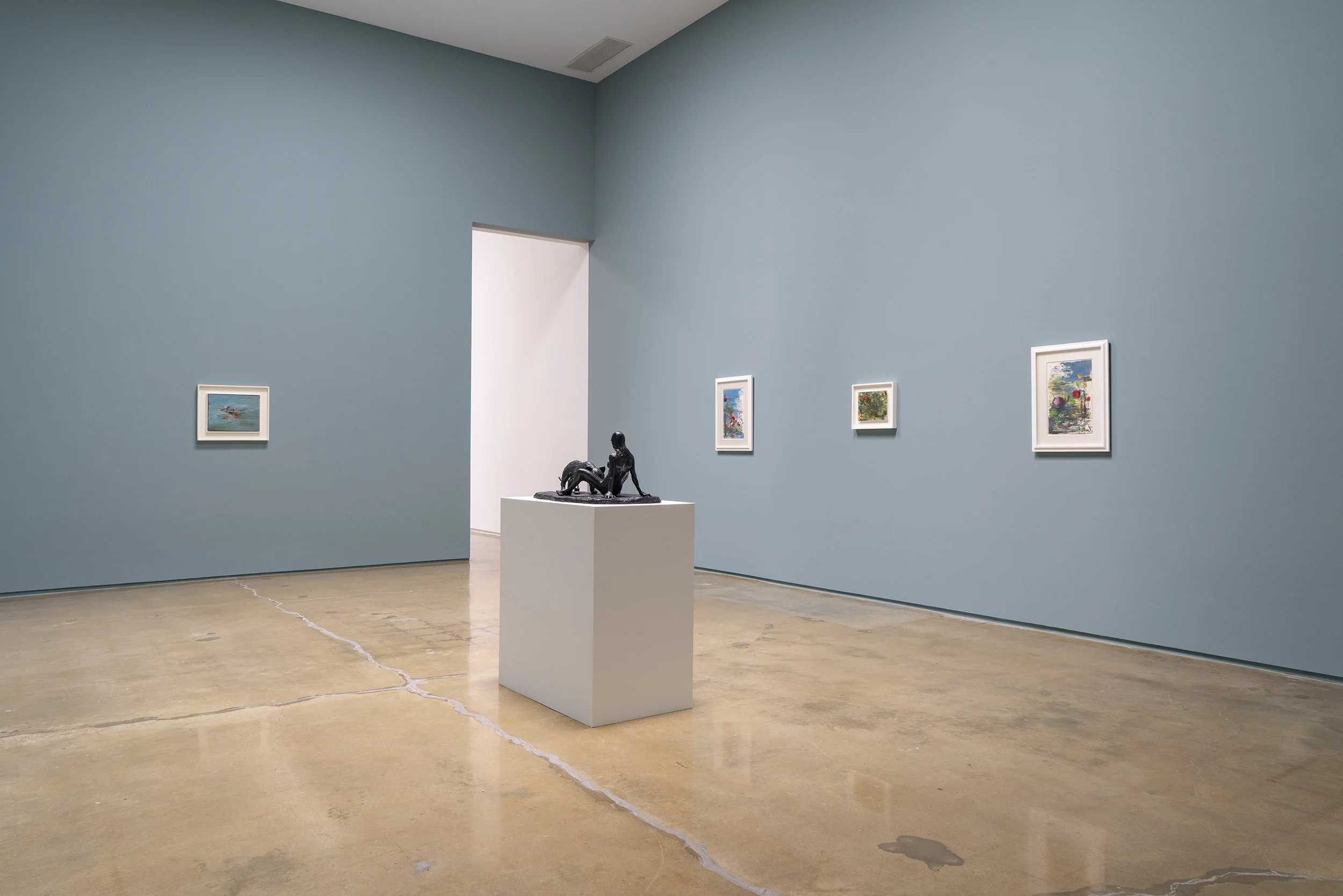
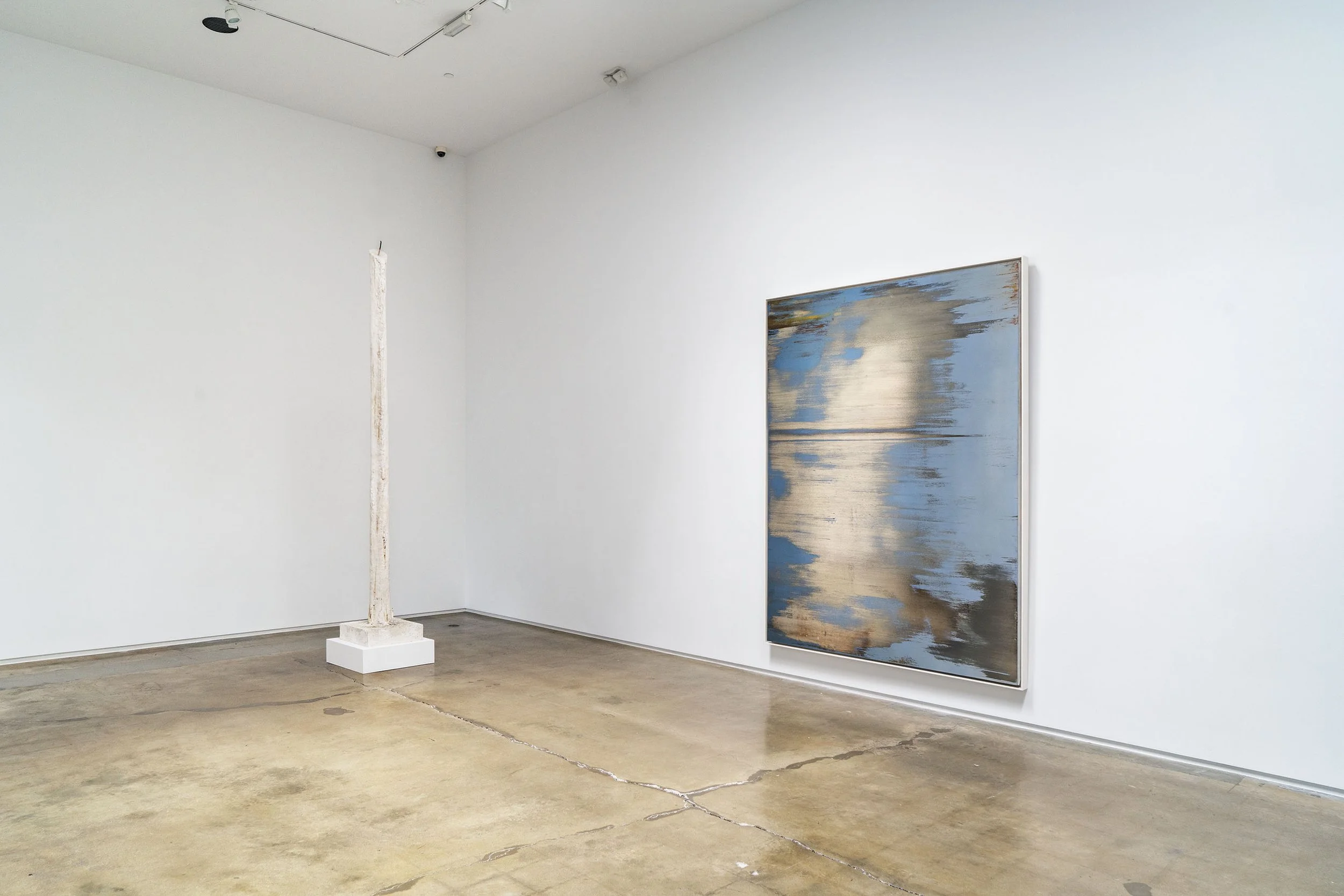
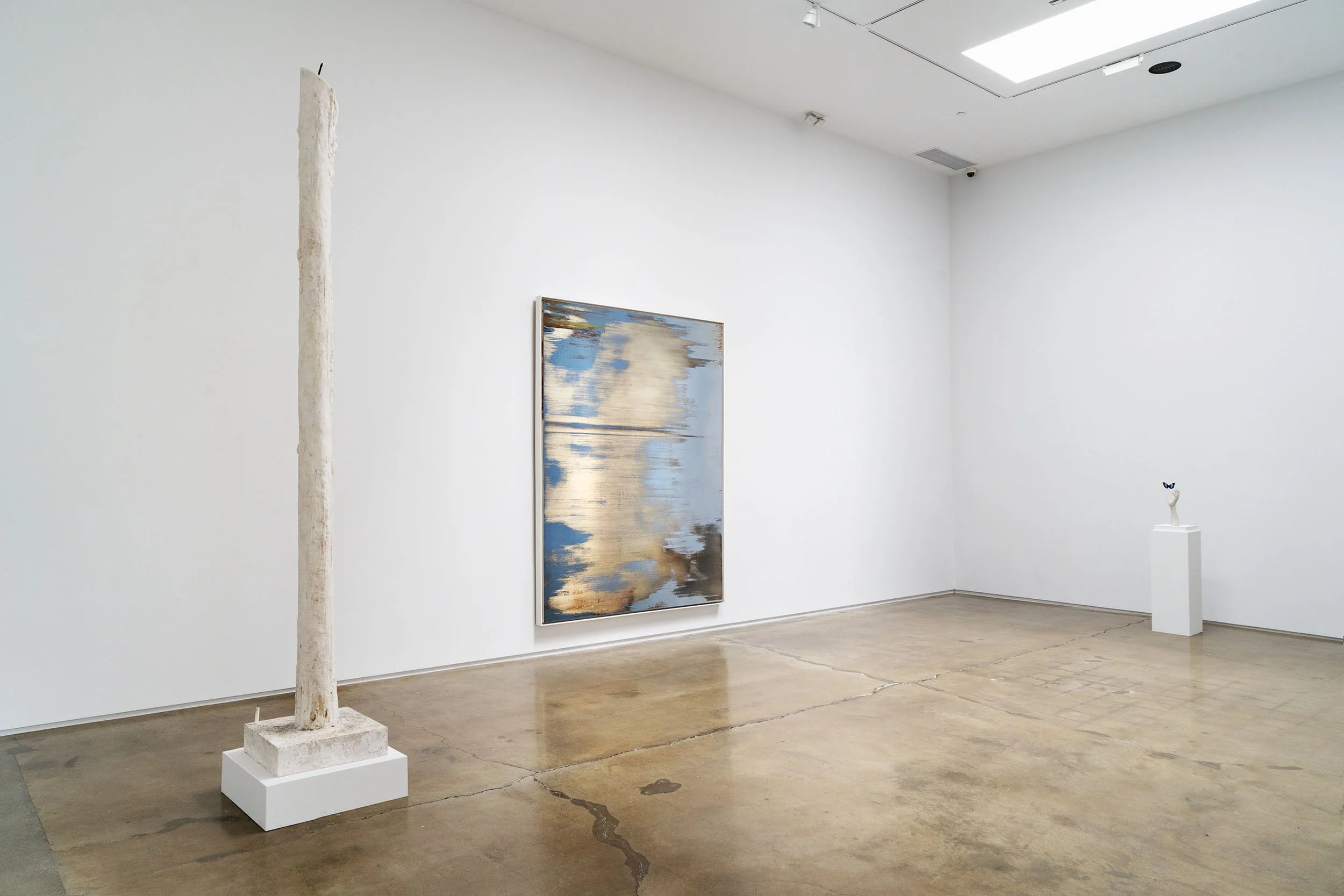
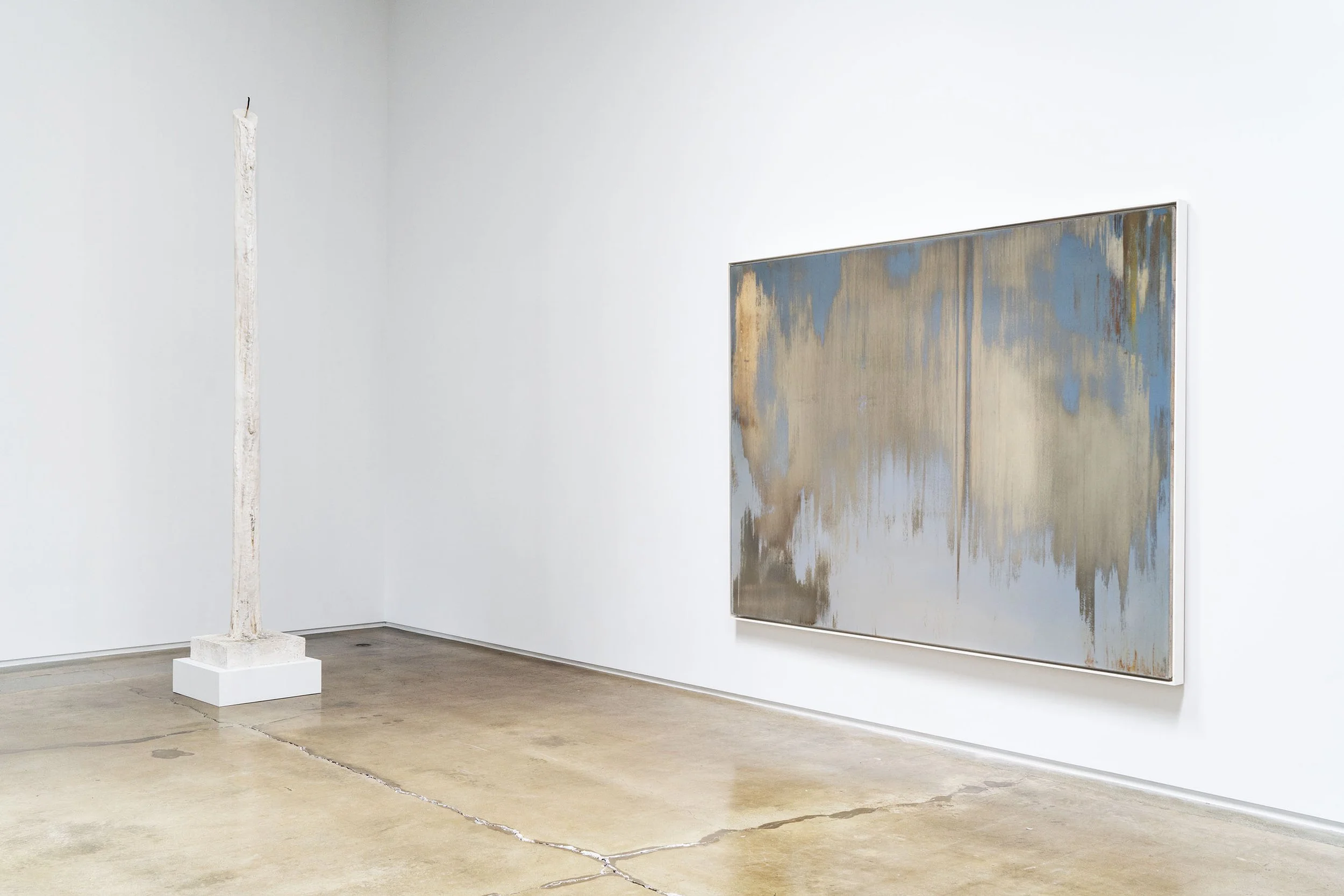
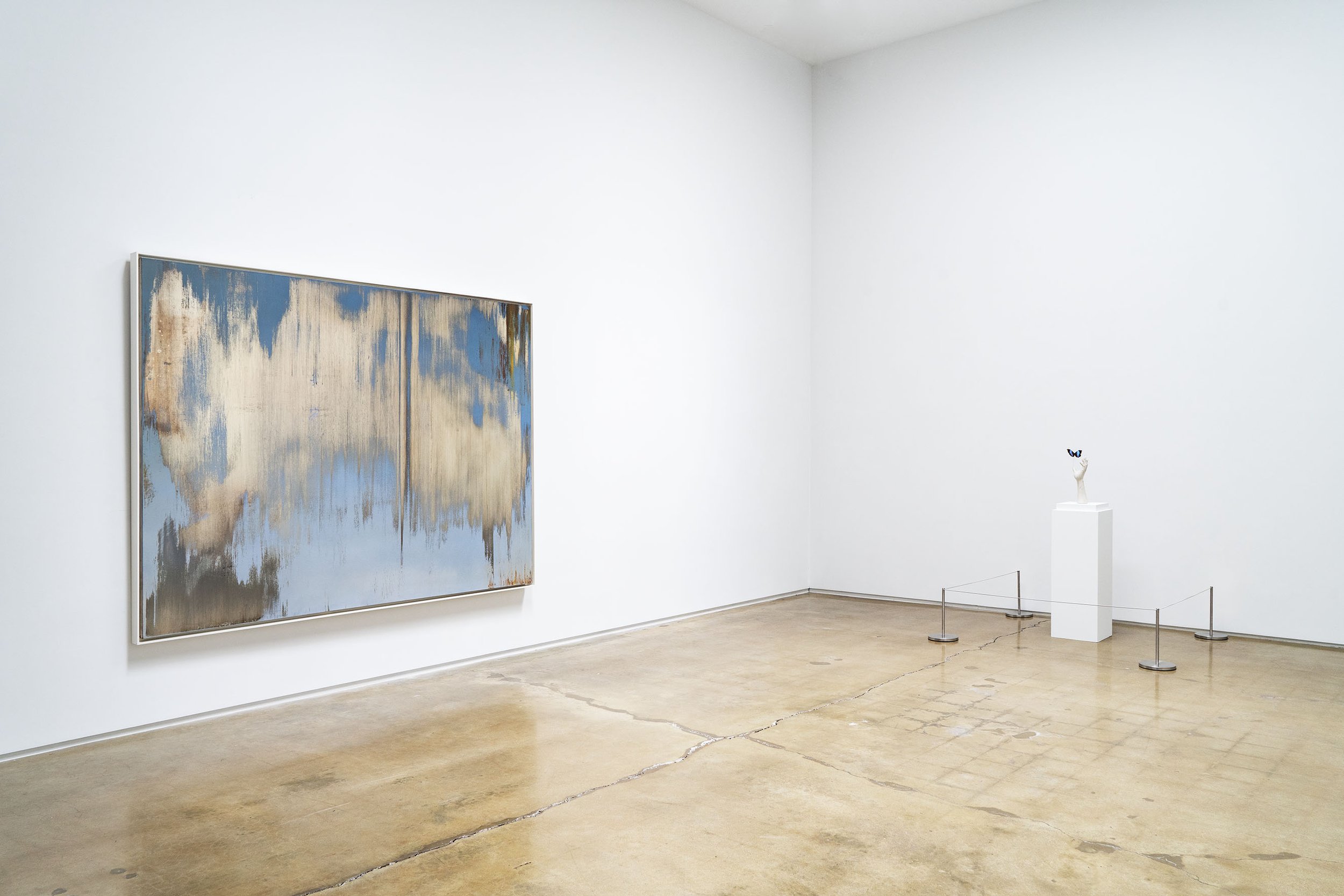
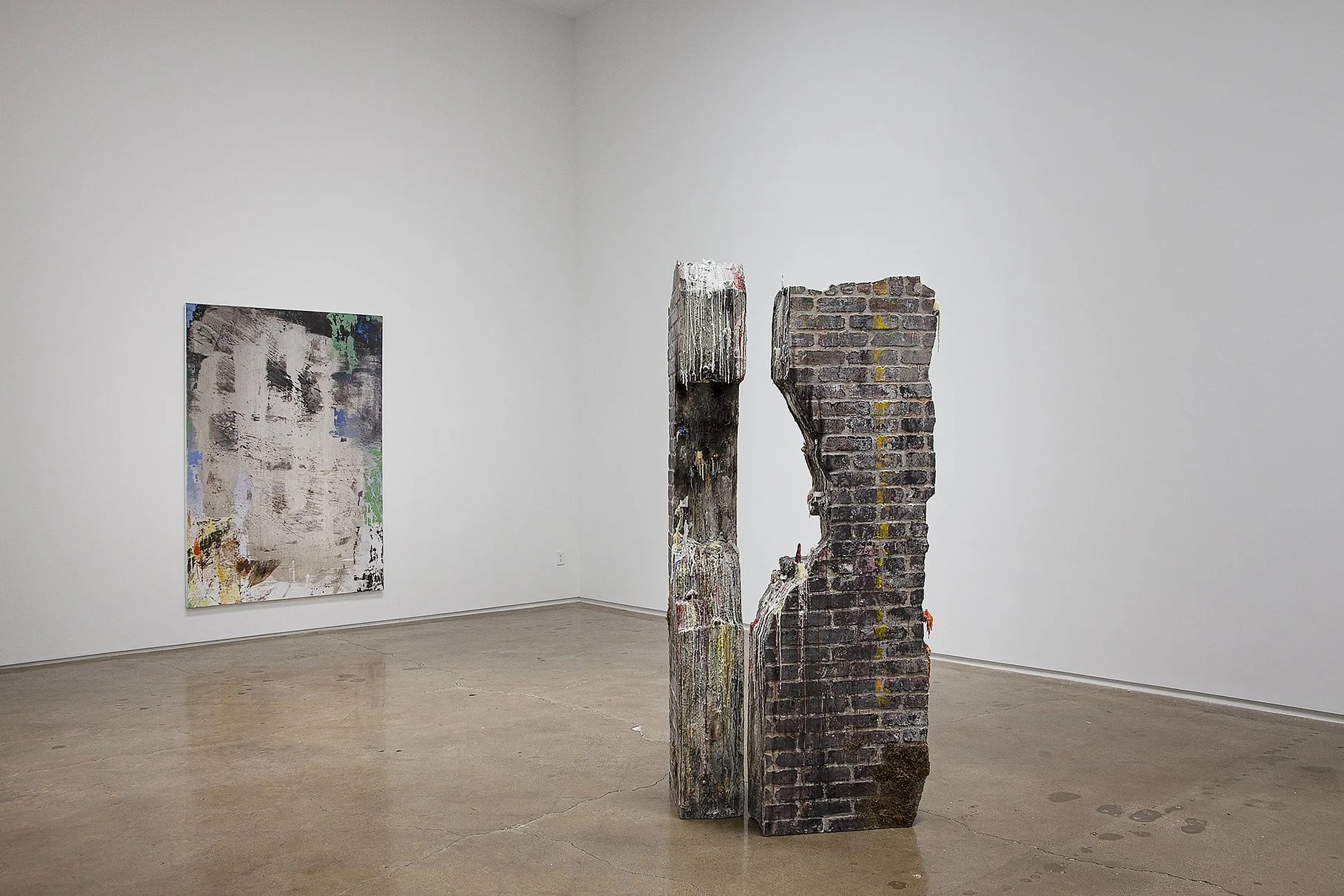
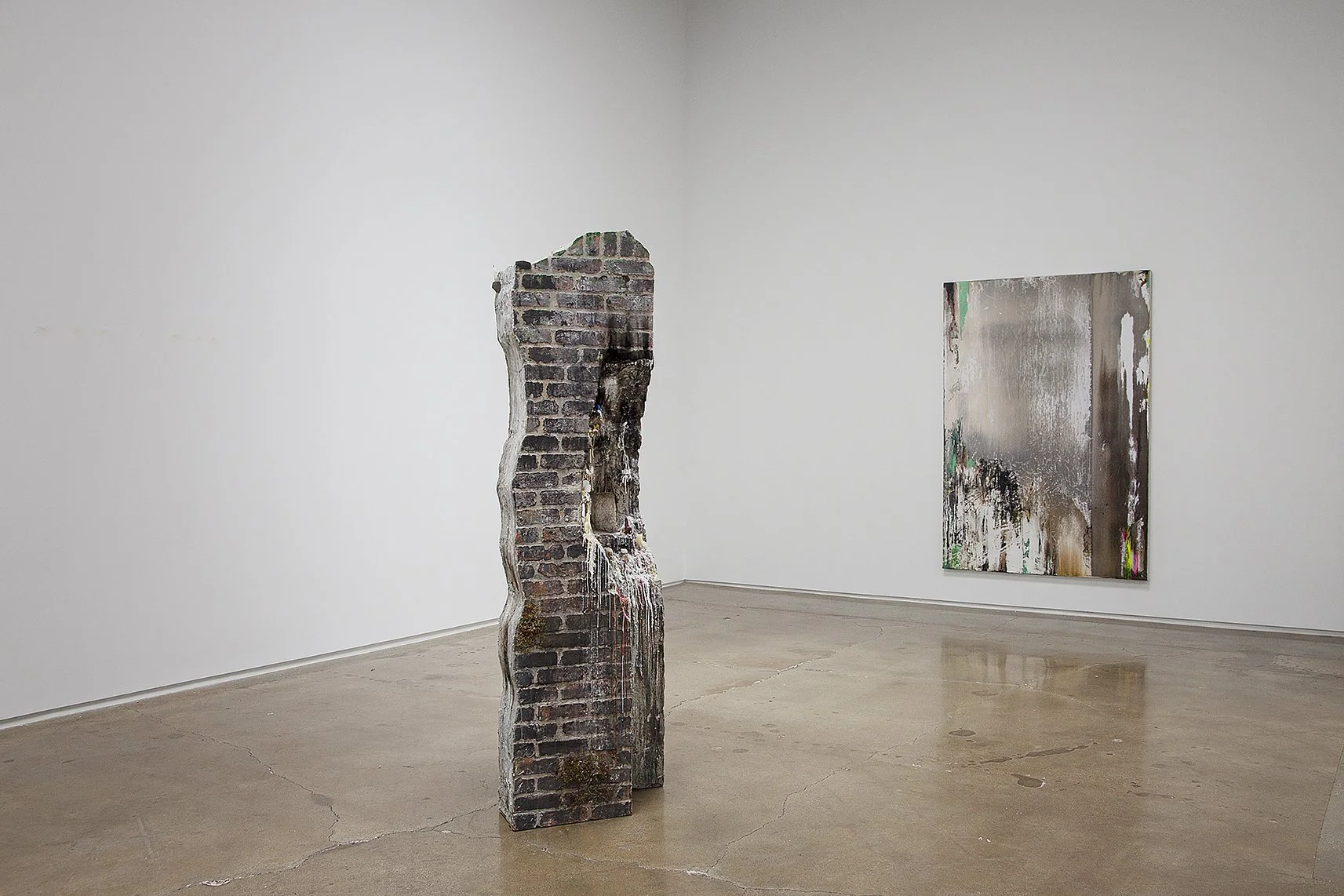
Nir Hod, Dorian's Gardens

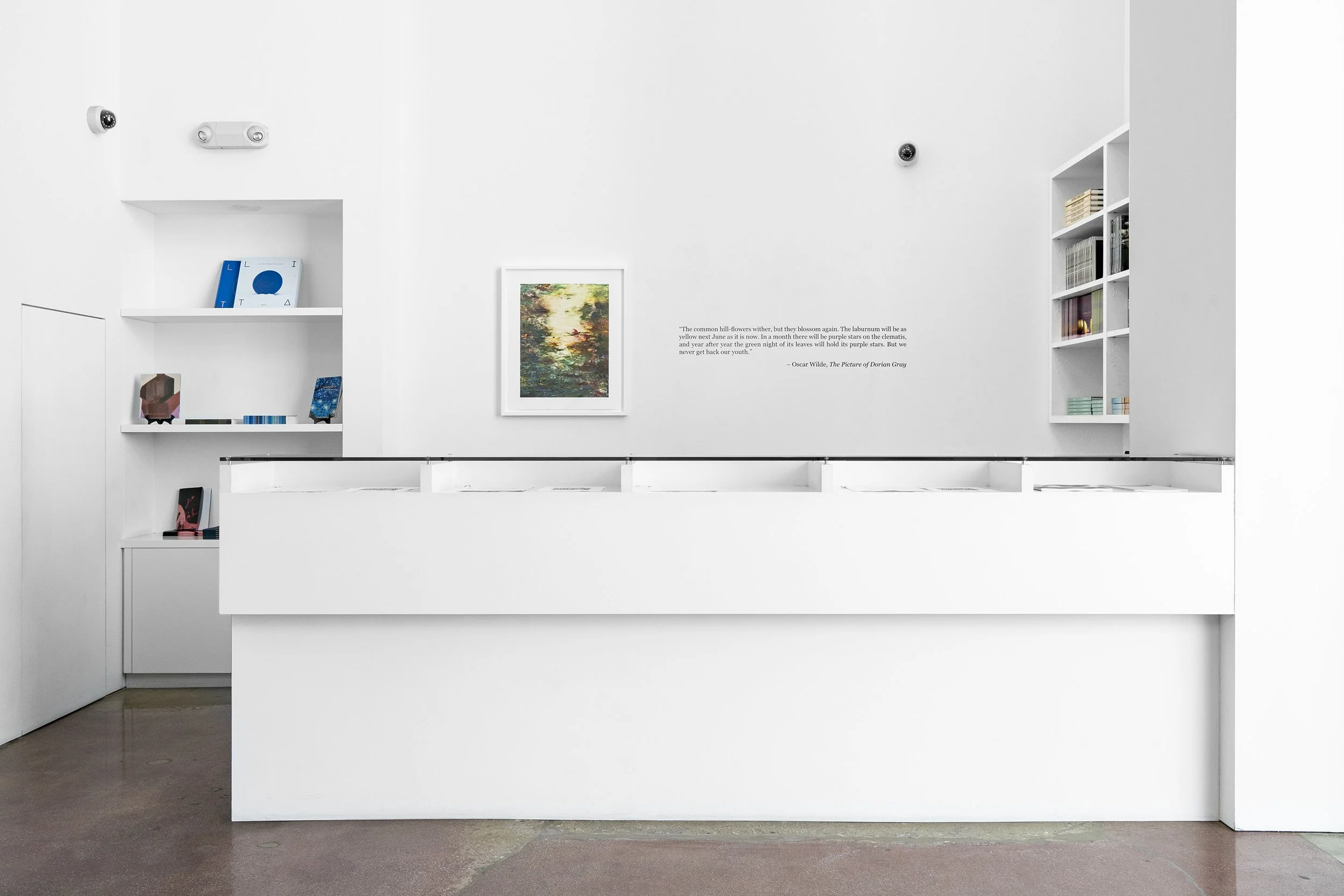
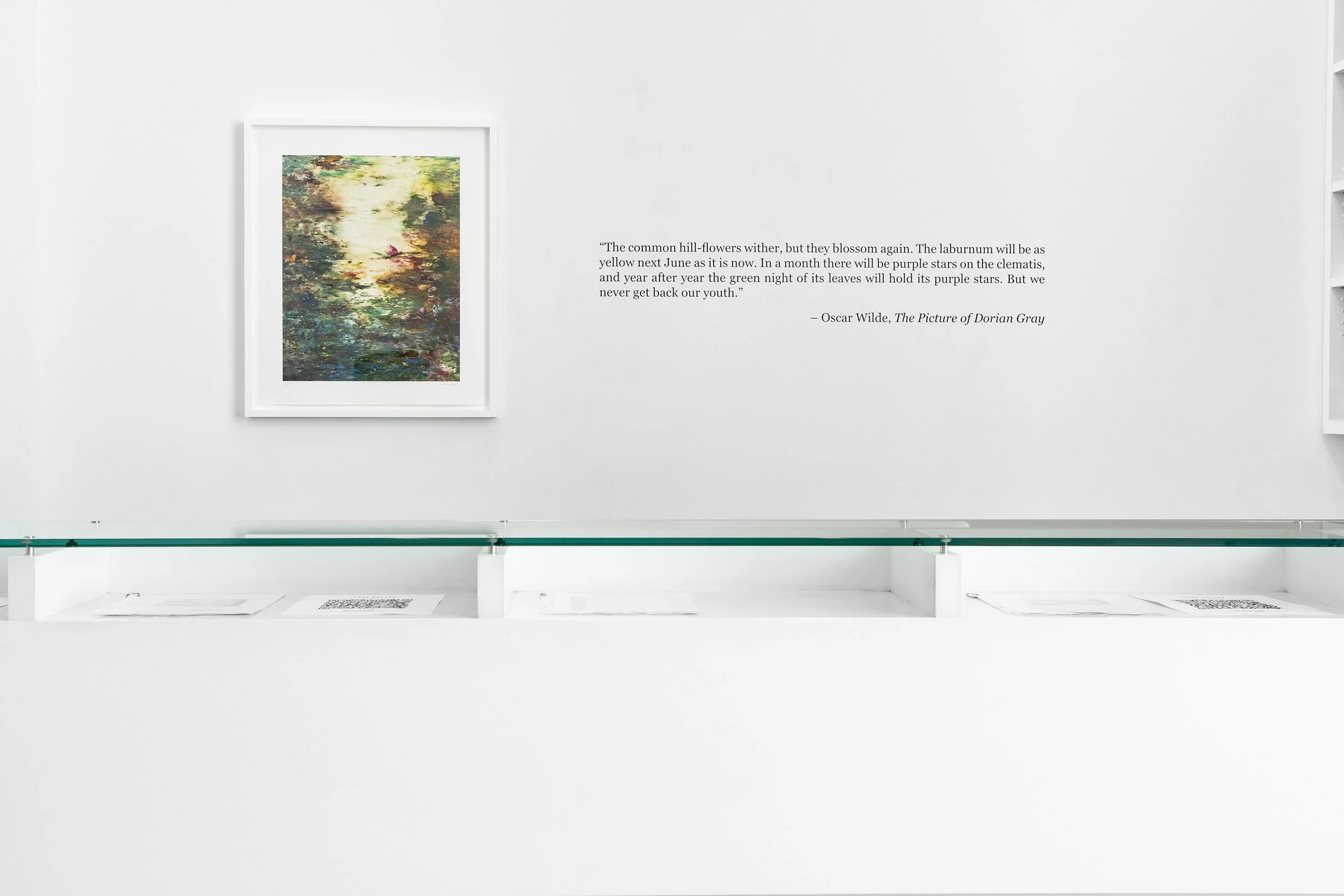
“The common hill-flowers wither, but they blossom again. The laburnum will be as yellow next June as it is now. In a month there will be purple stars on the clematis, and year after year the green night of its leaves will hold its purple stars. But we never get back our youth.”

– Oscar Wilde, The Picture of Dorian Gray

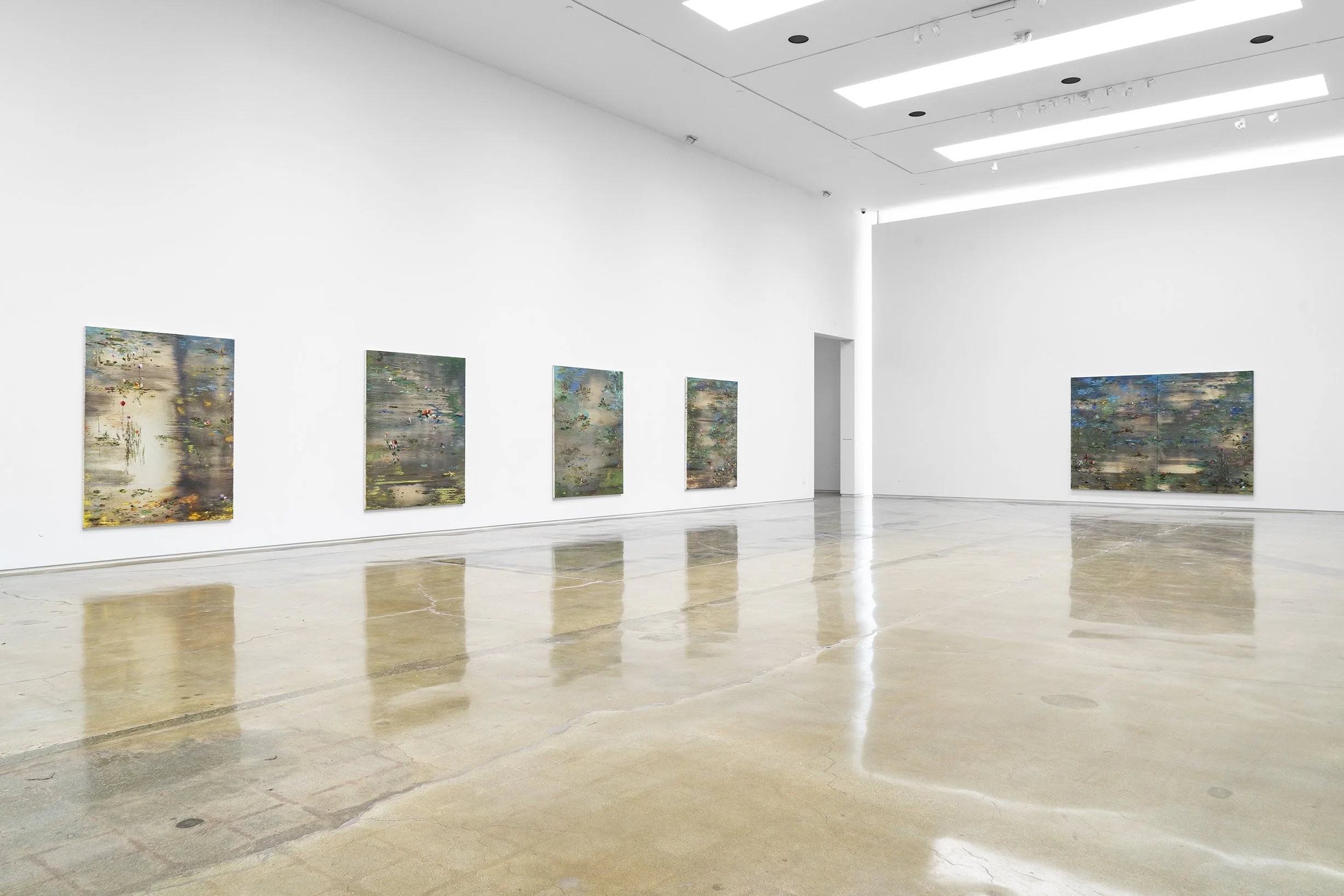
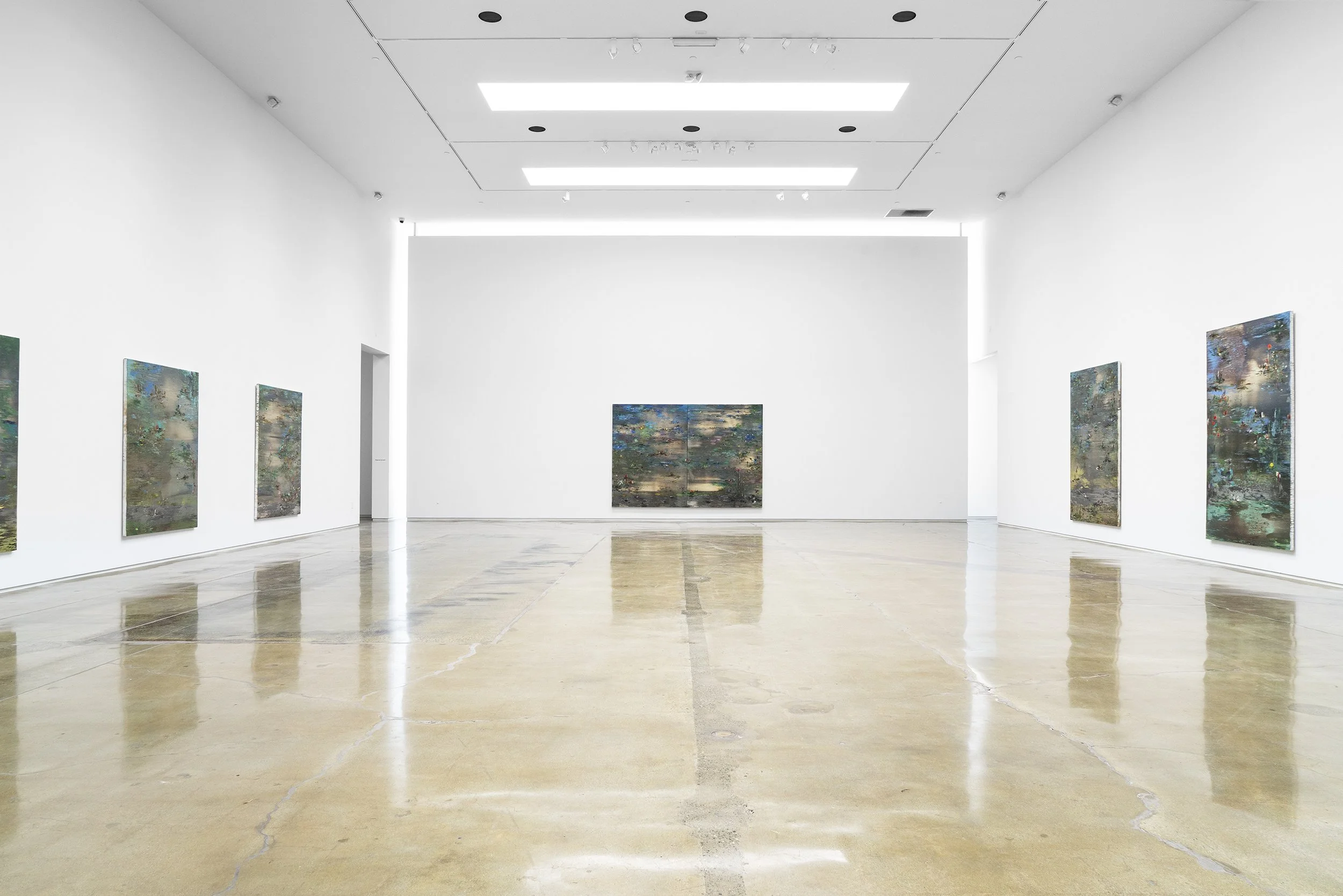
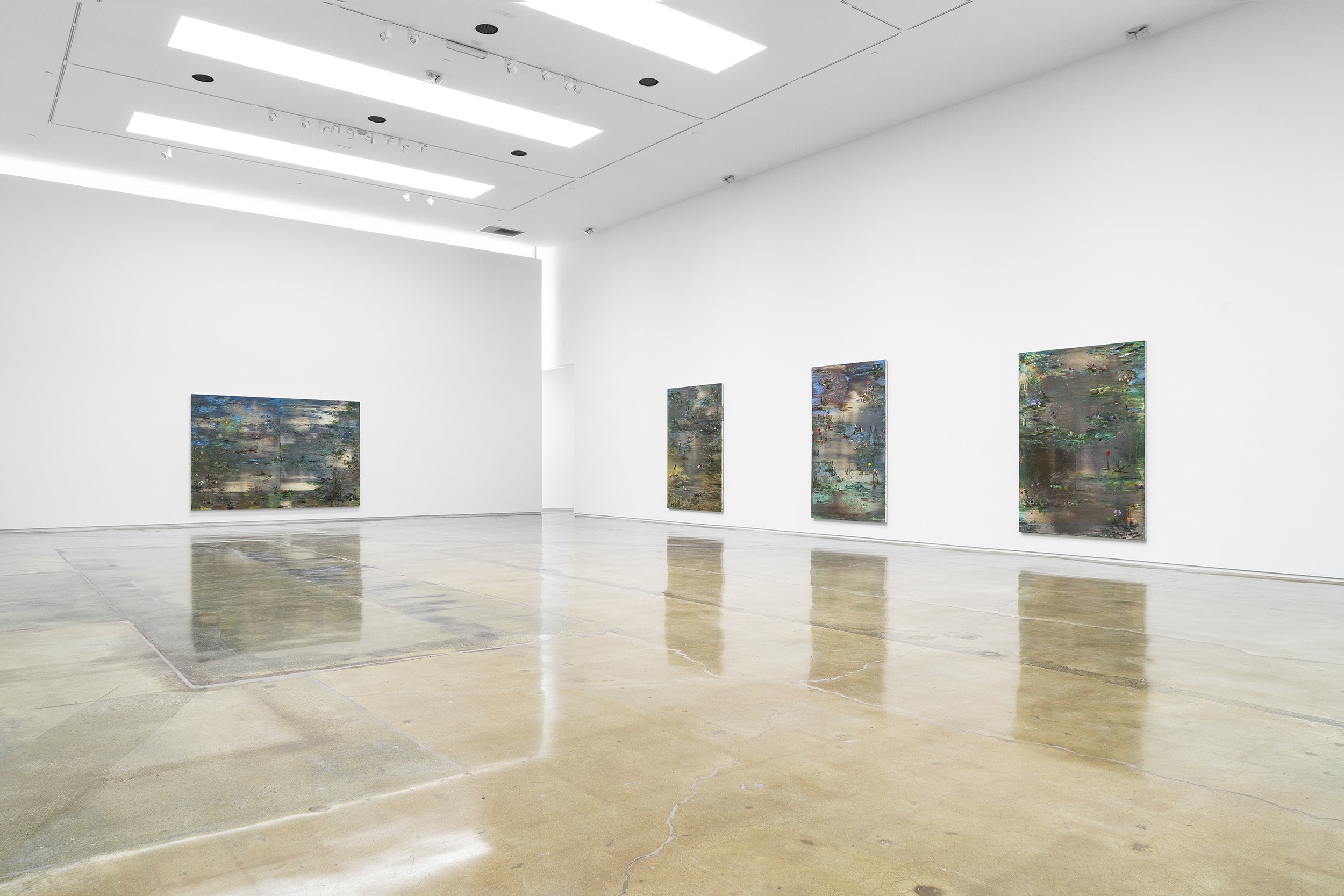
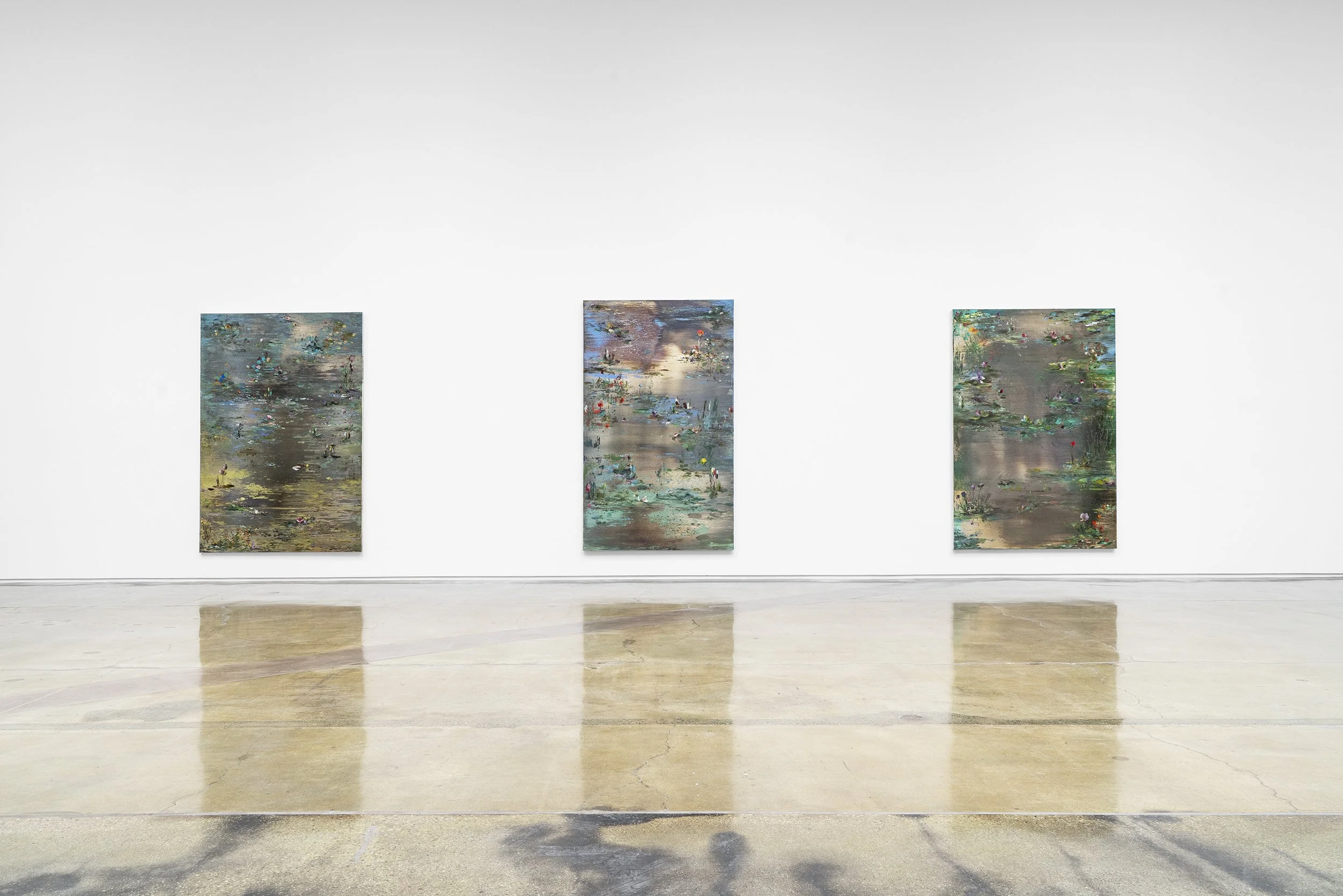
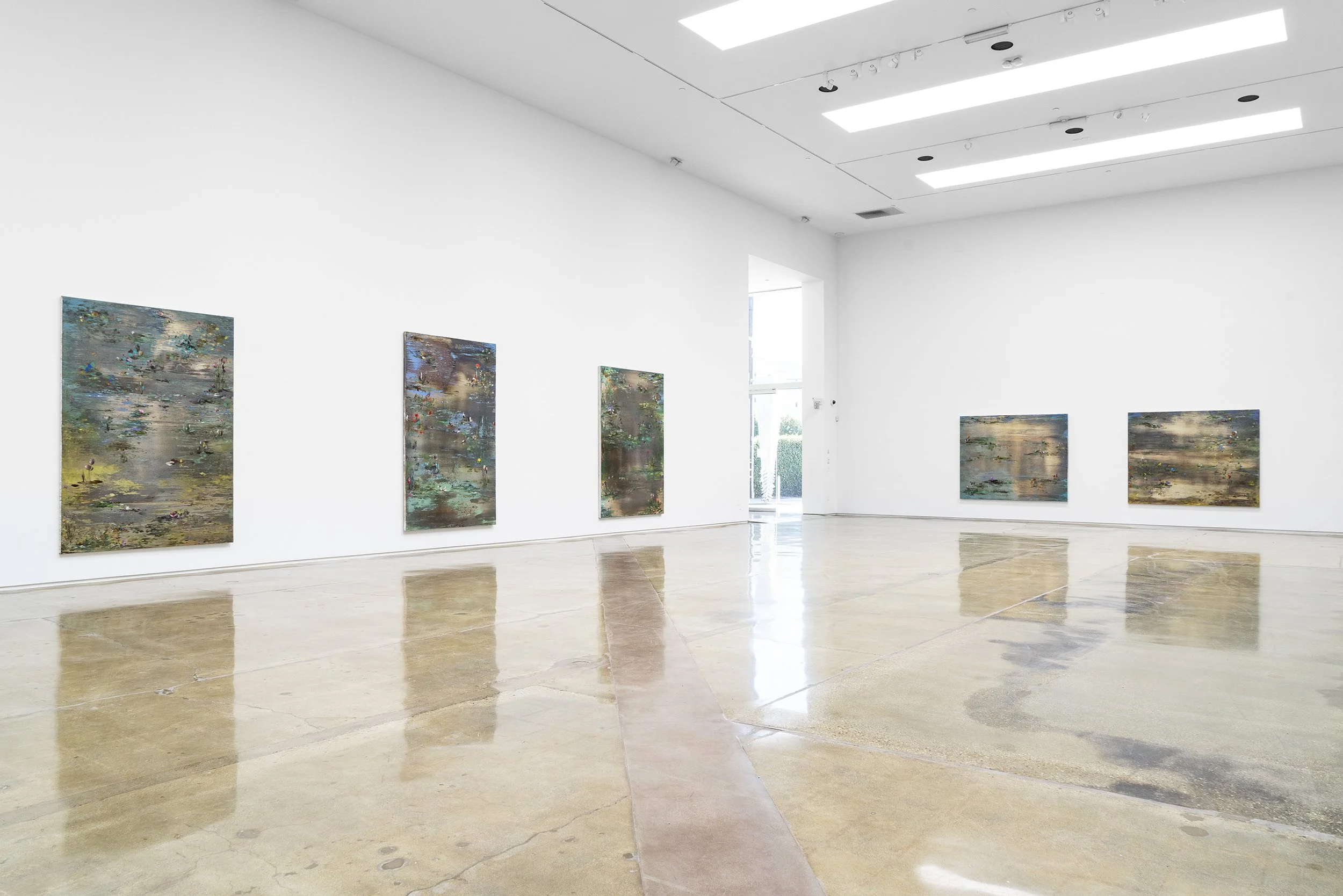
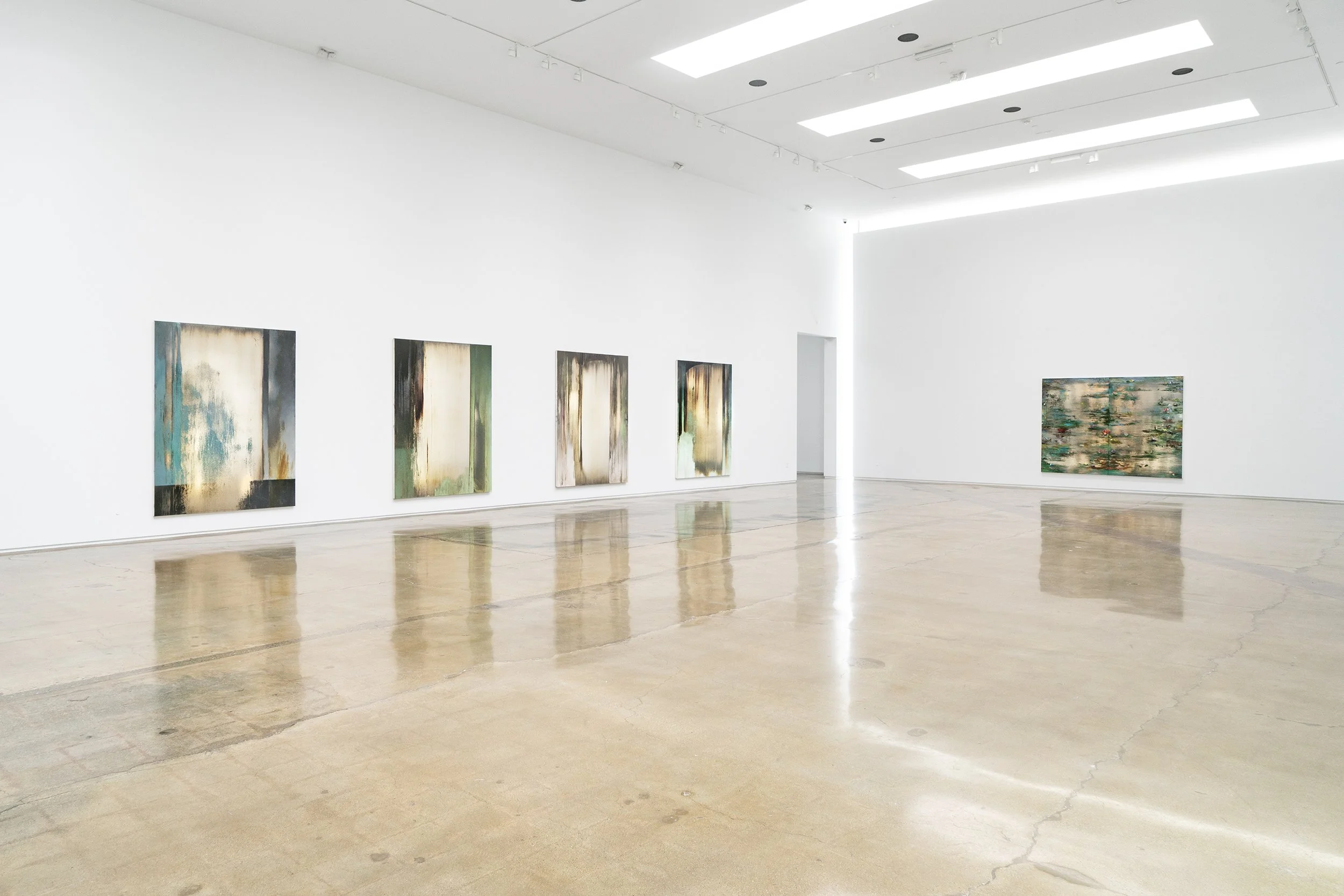
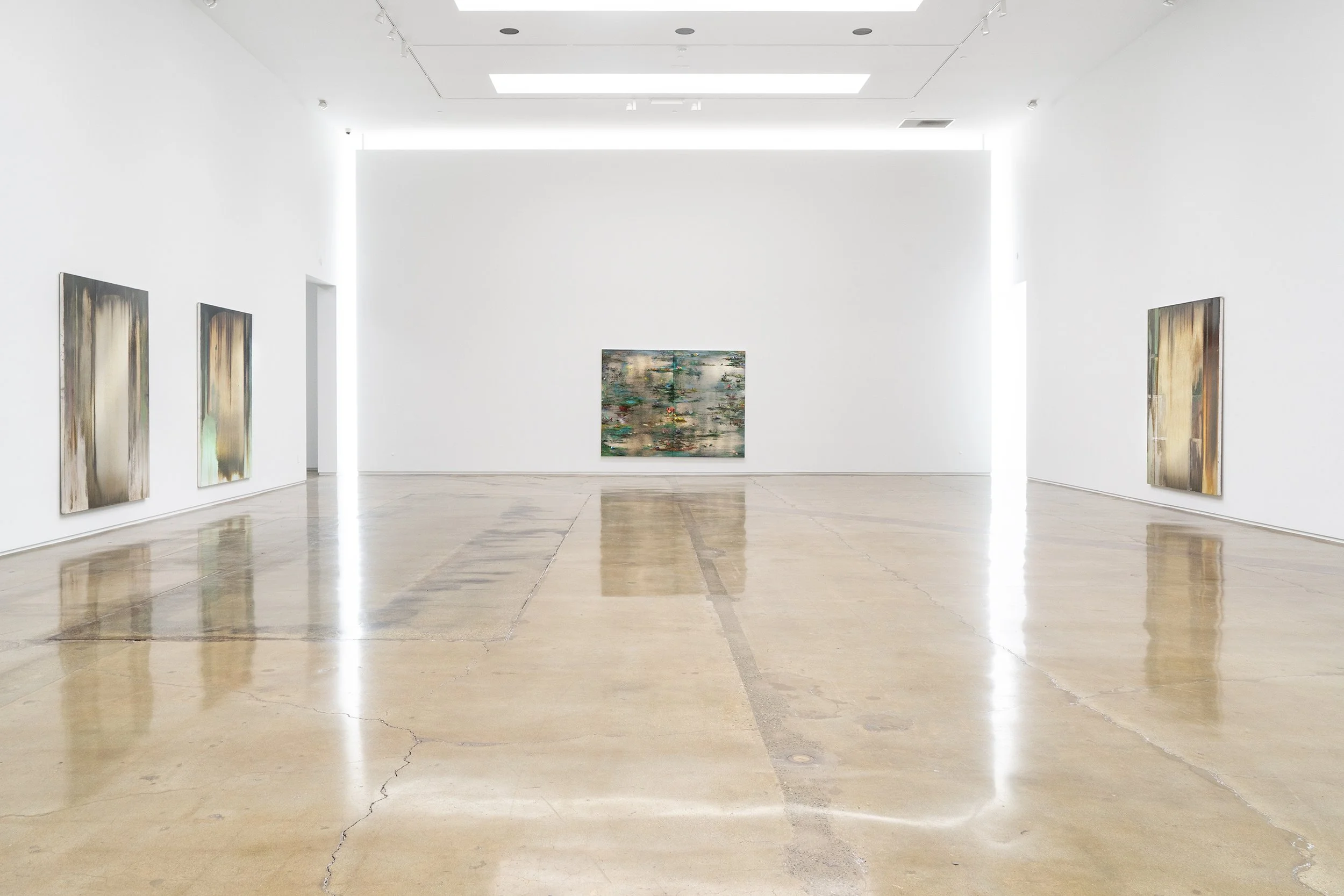
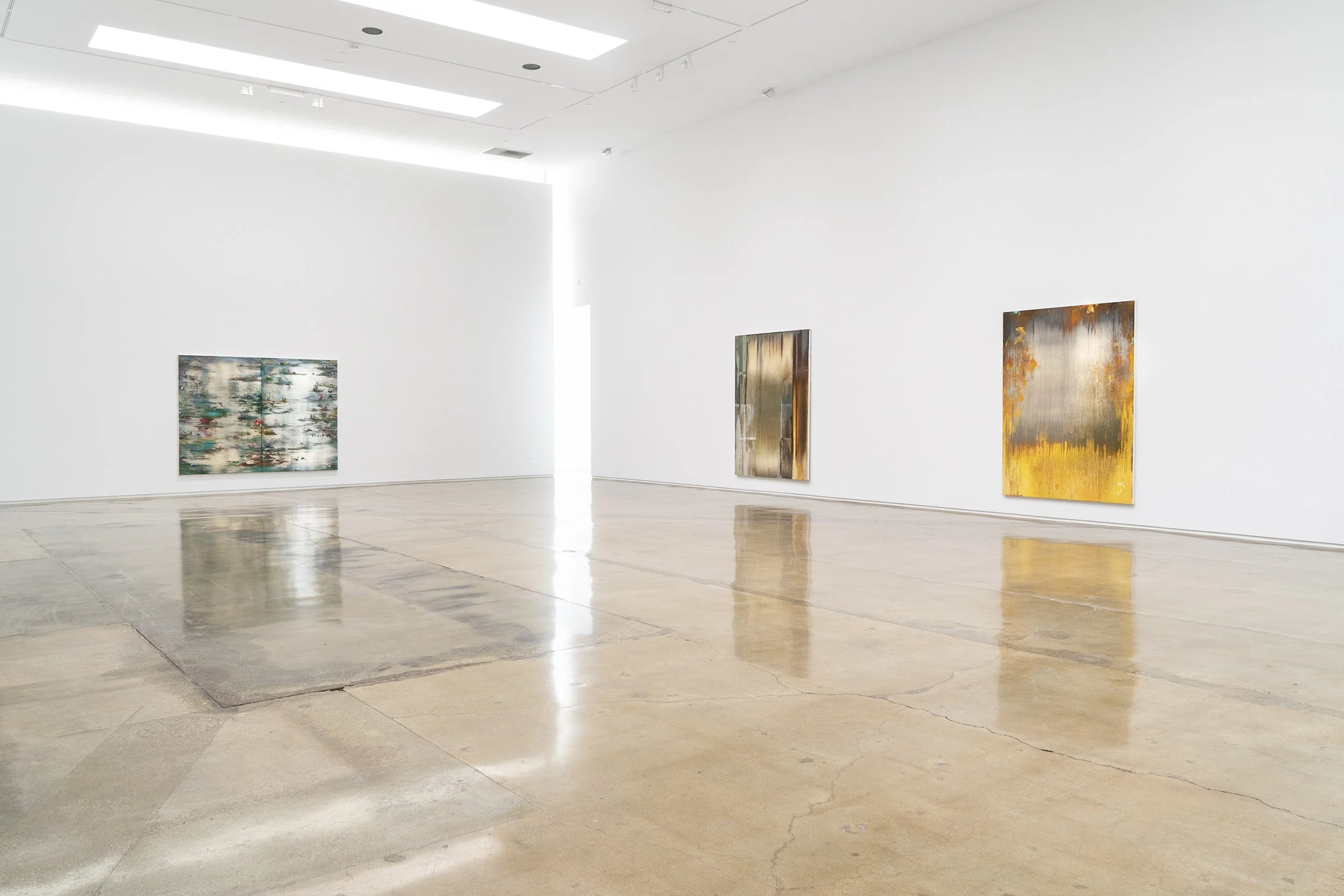
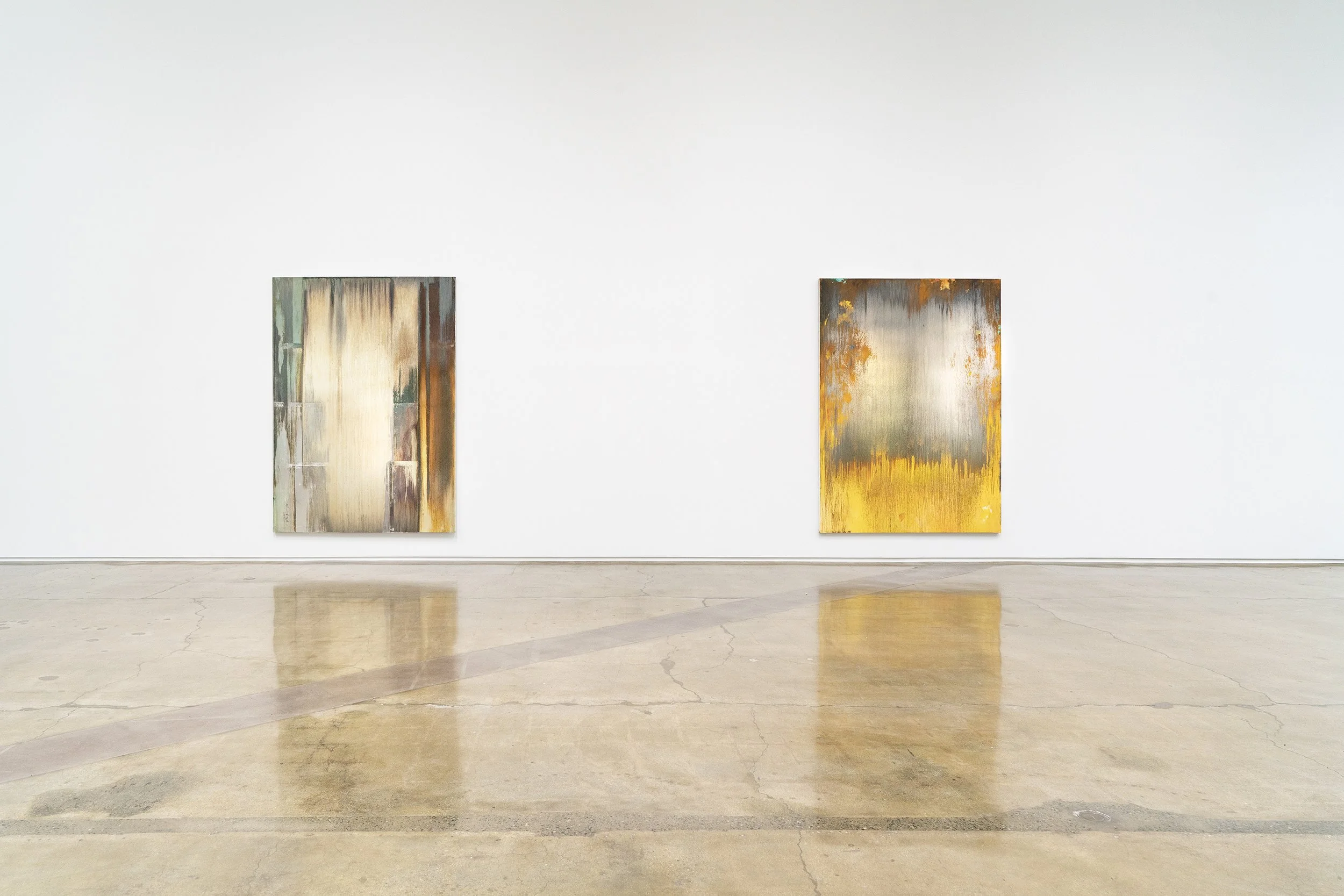
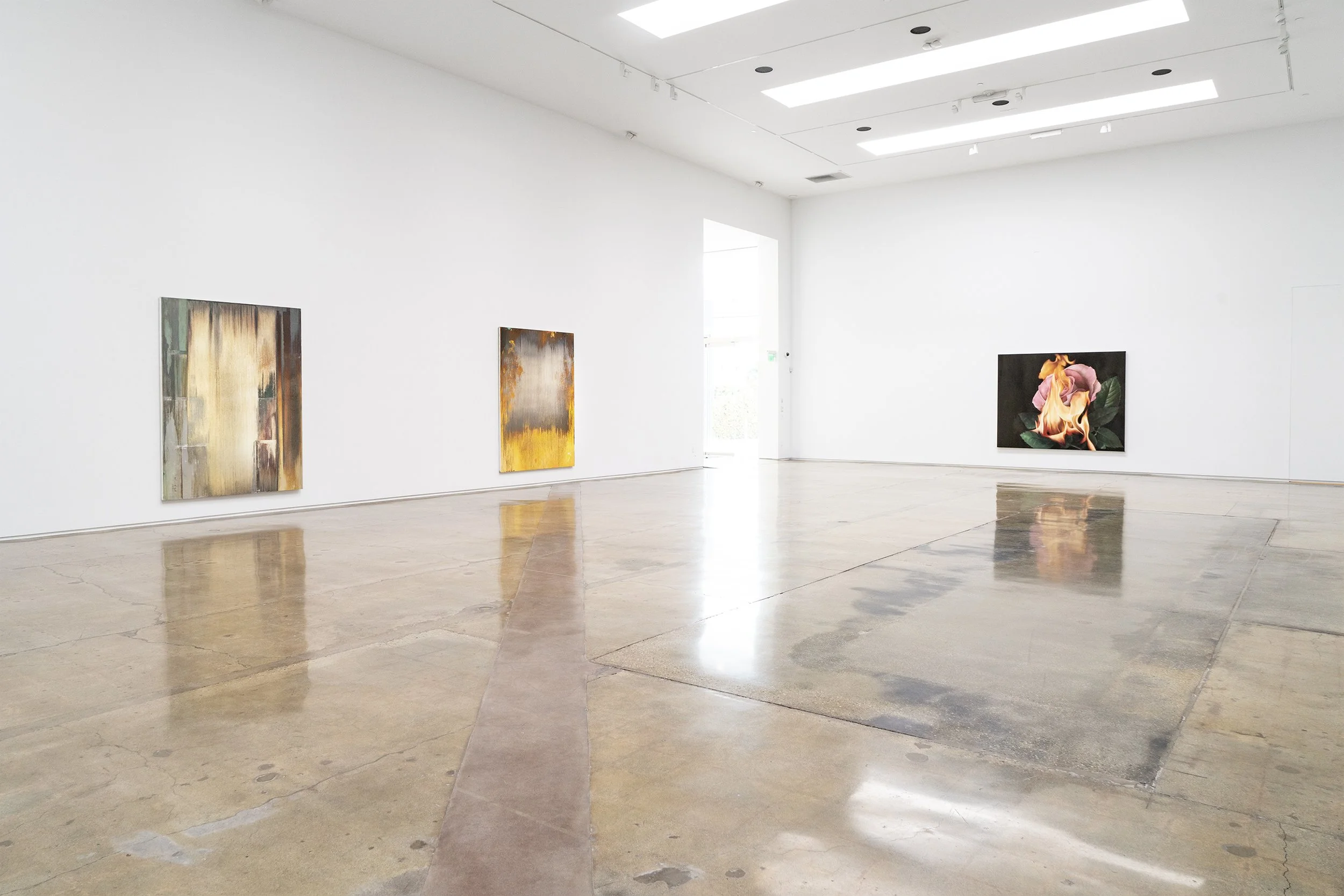
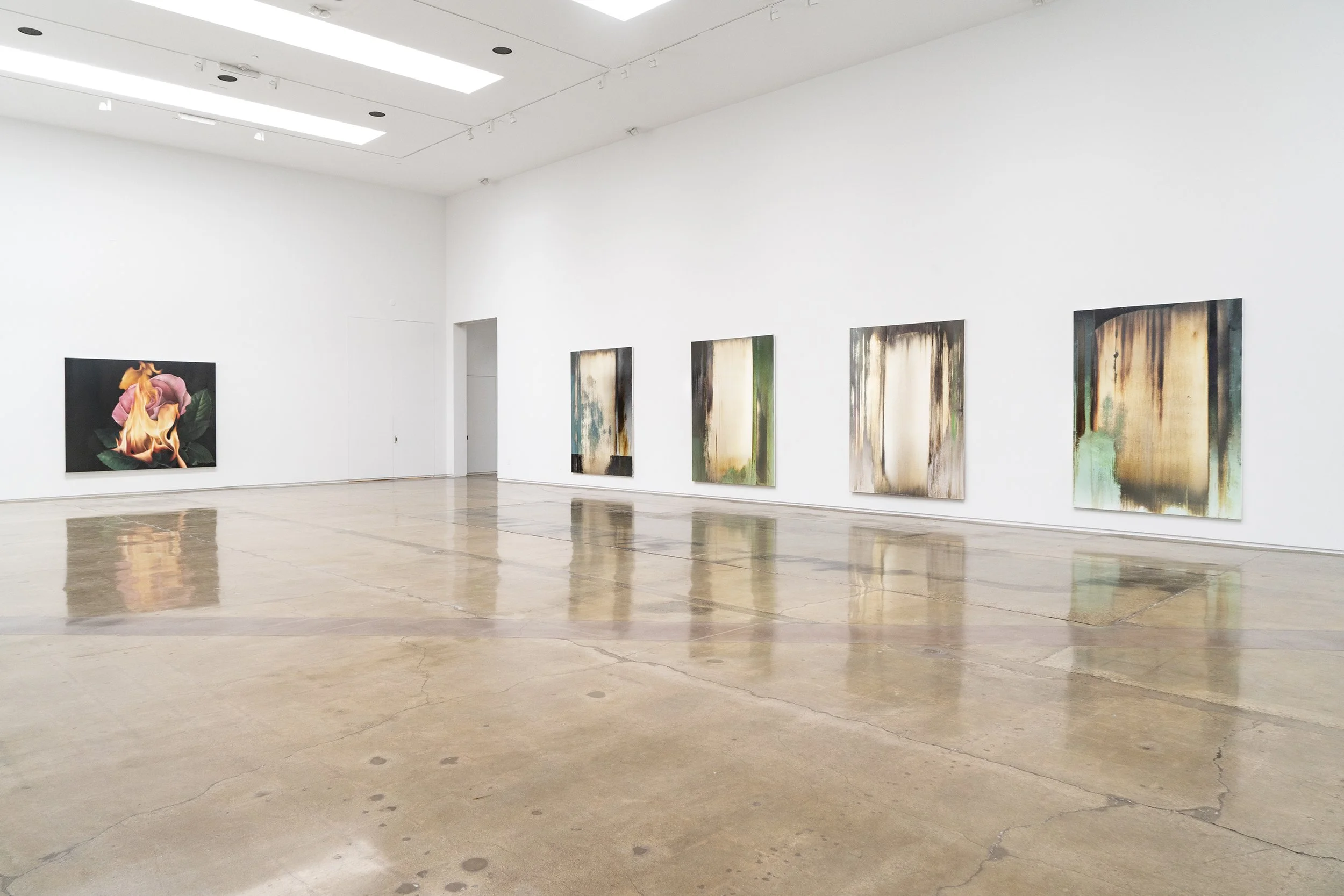
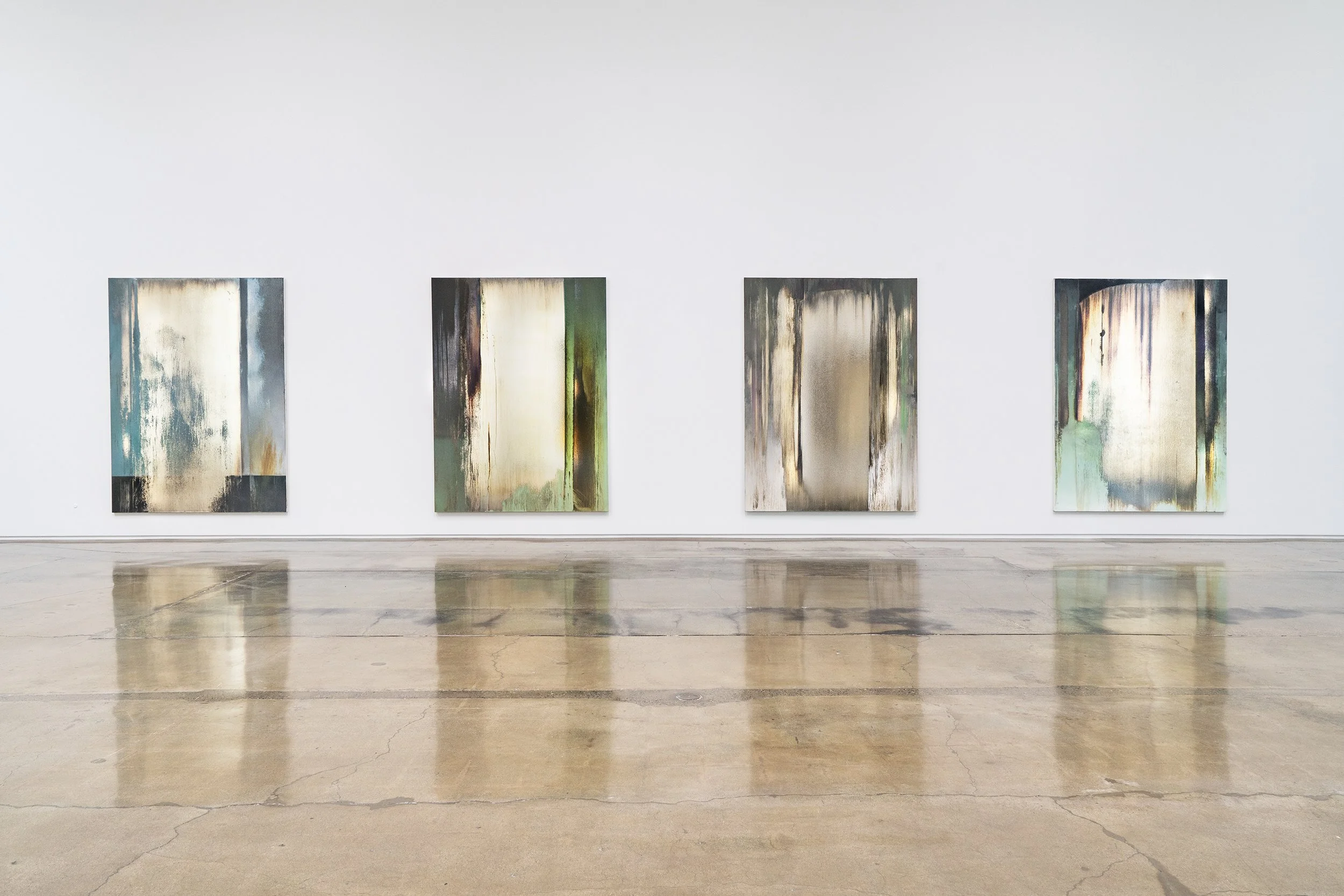
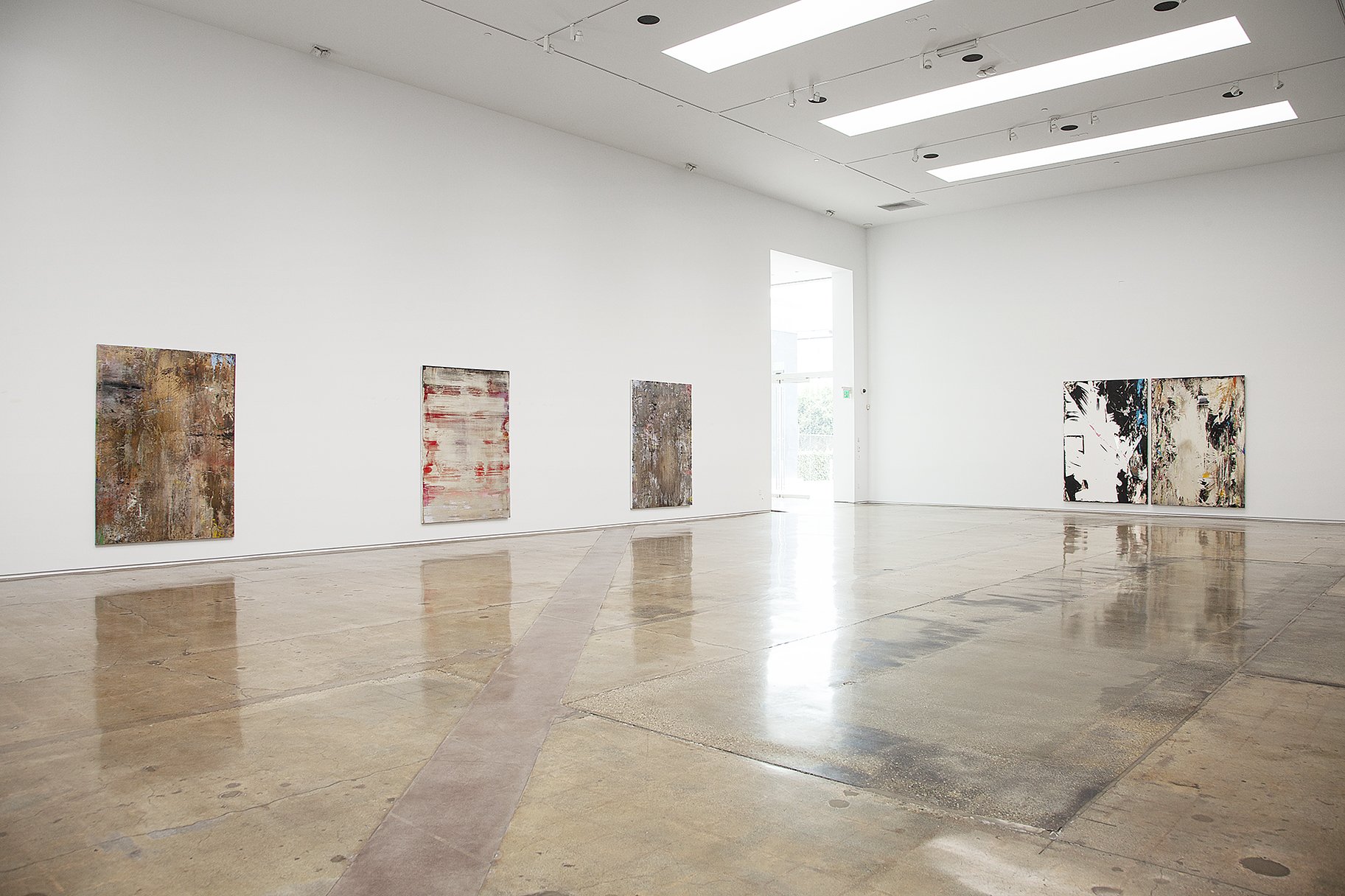
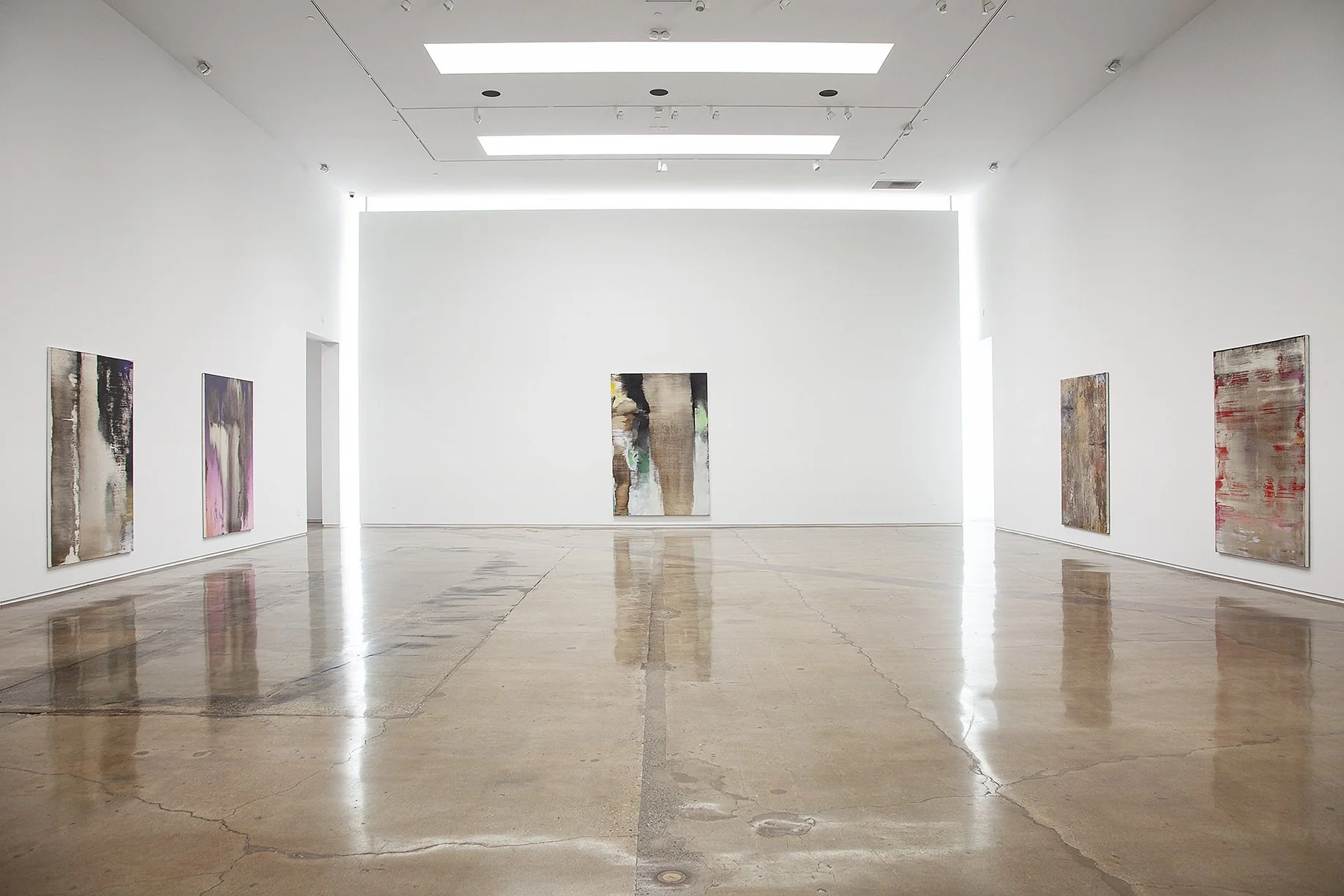
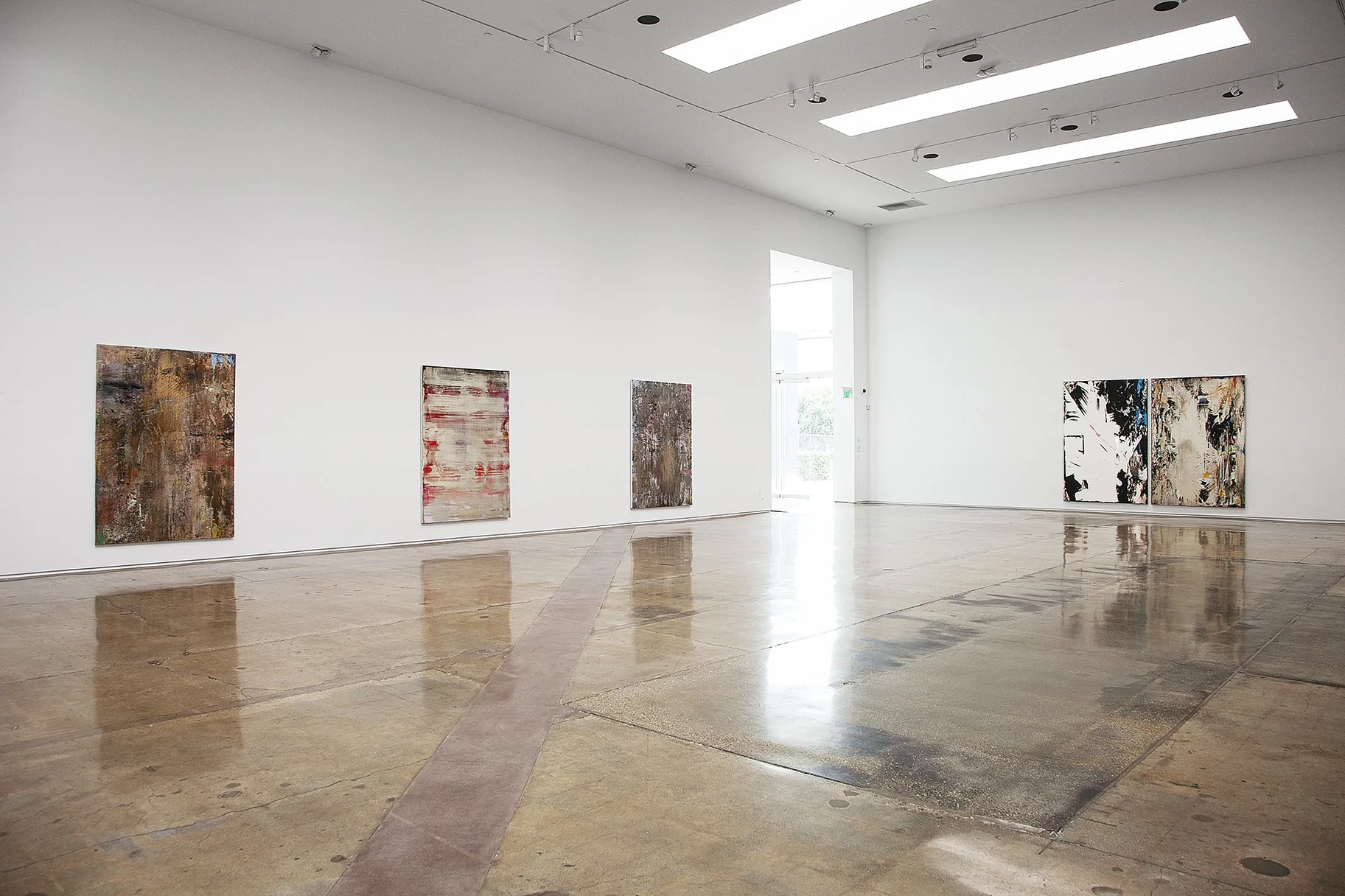
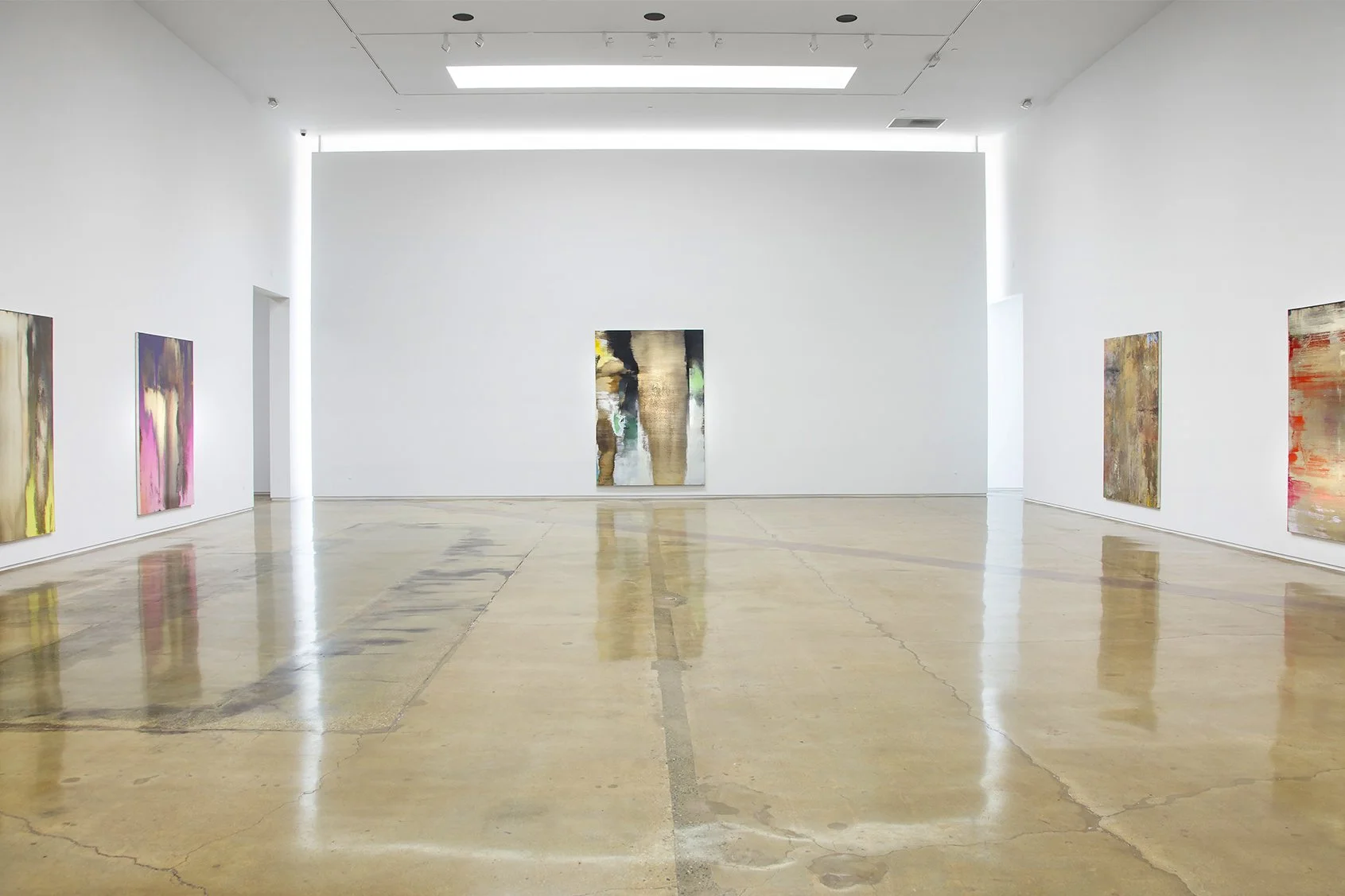
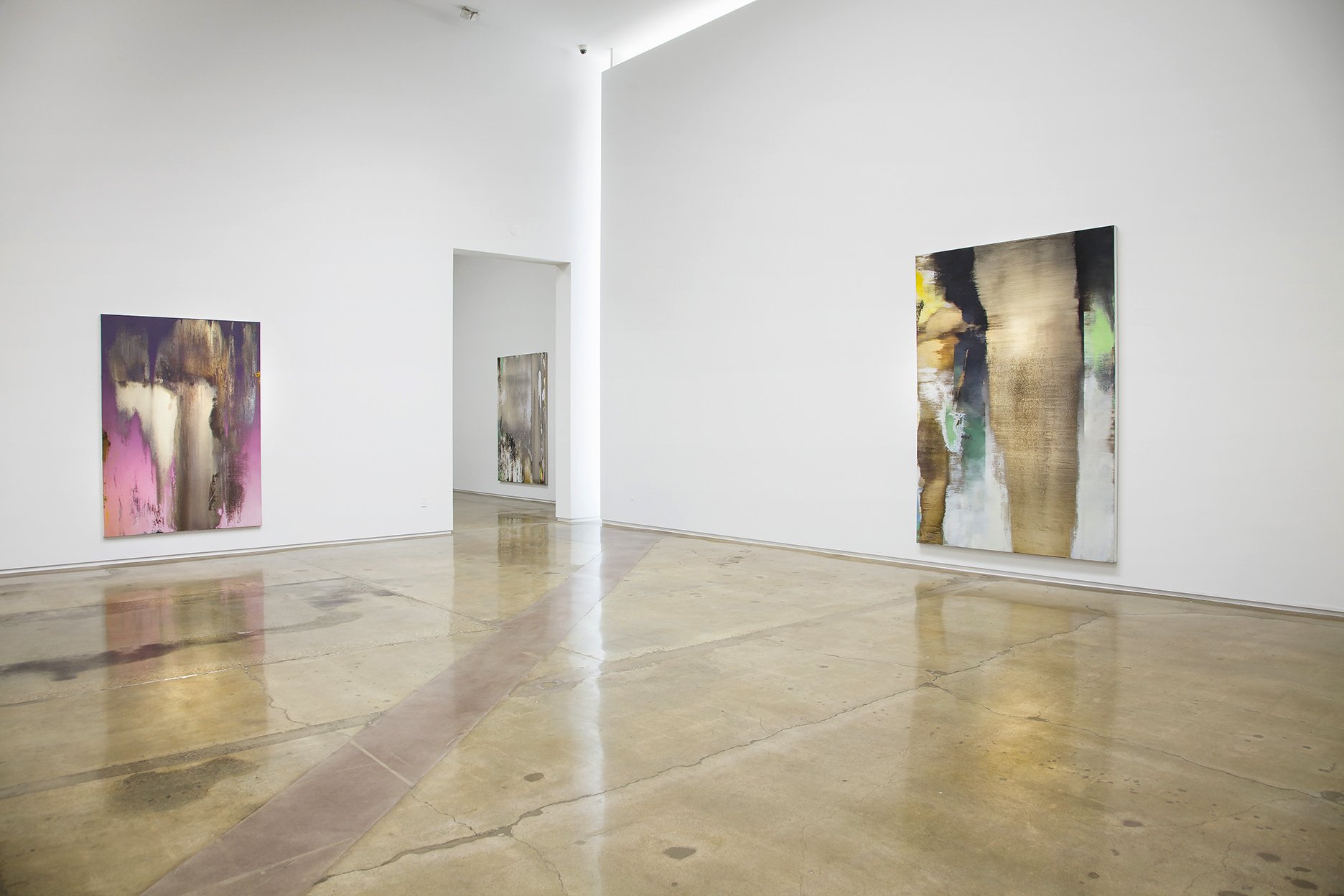
Michael Kohn Gallery is extremely proud to announce Dorian’s Gardens, an exhibition by New York-based artist Nir Hod. In his nearly 30-year career, Hod has consistently delved into the duality of human nature as subject matter for his paintings. The dichotomous themes of beauty and death, cycles of flourish and decay, vanity, perfection, destruction, and the overall fragility of life permeate from his earliest bodies of work, such as the Genius and Mother portraits, to his most recent, reflective minimal canvases of the series 100 Years is Not Enough. The ongoing study of various bodies of water is rendered by Hod’s loose yet seductive impressionistic style and iconic chroming, mirror-like technique.

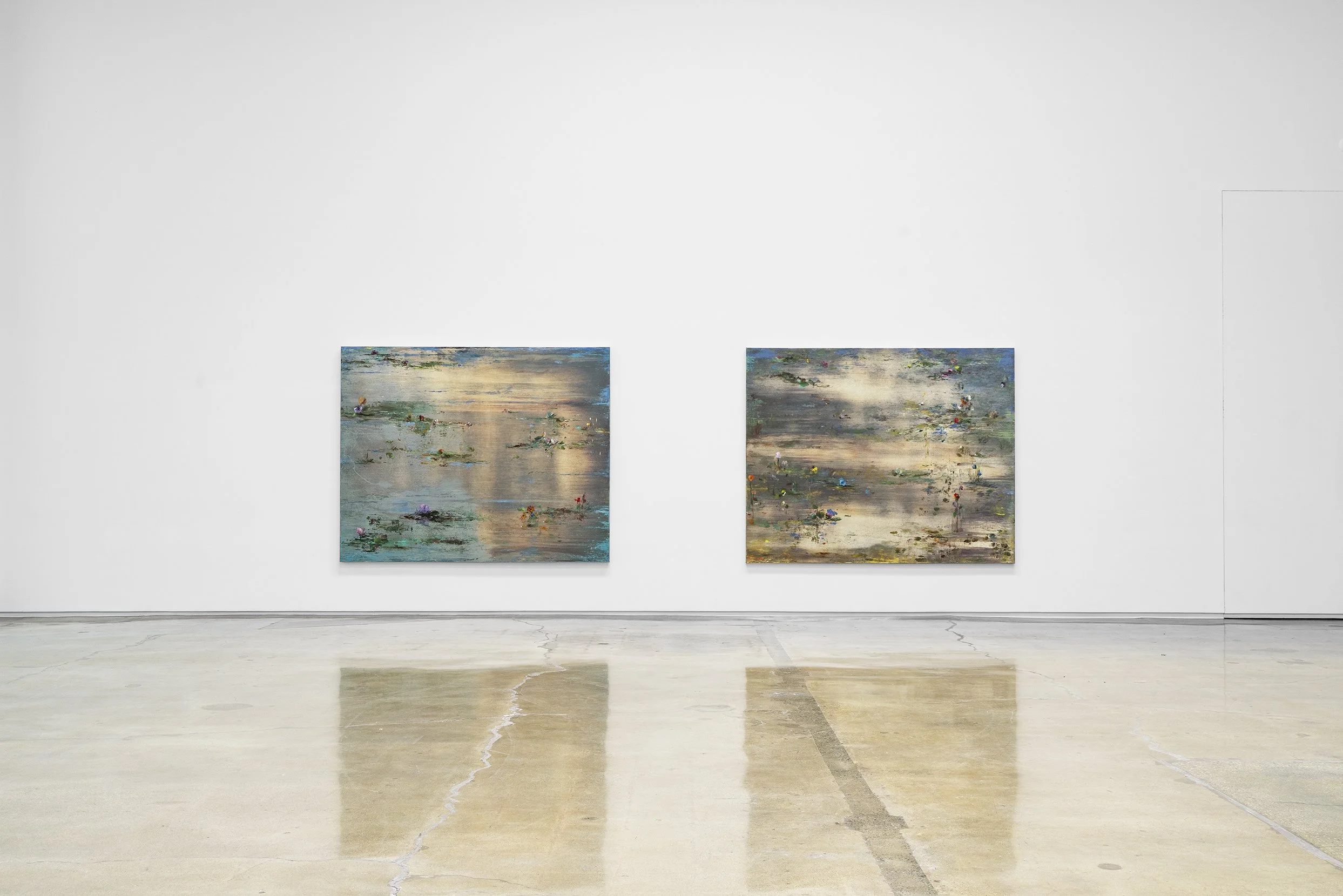
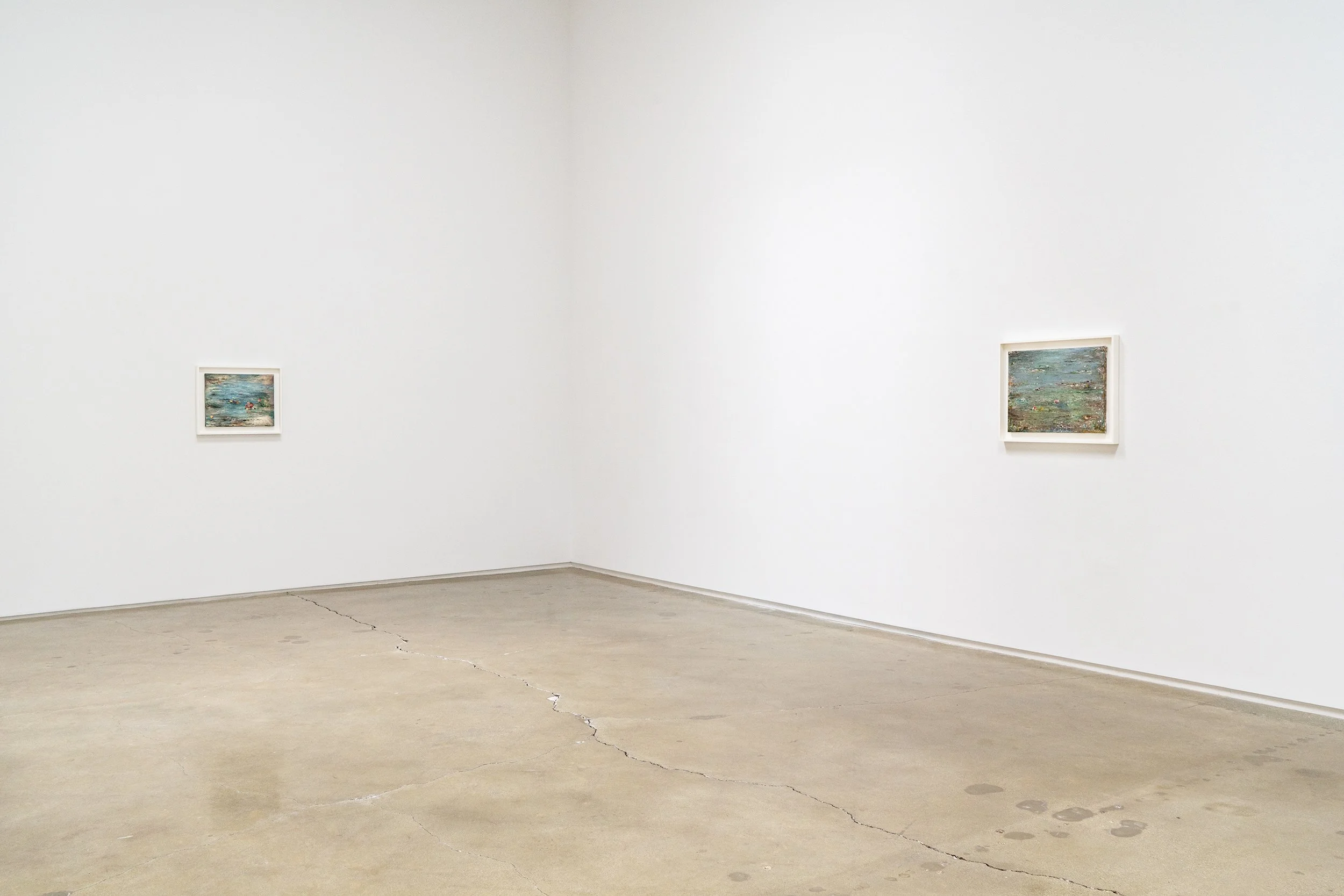
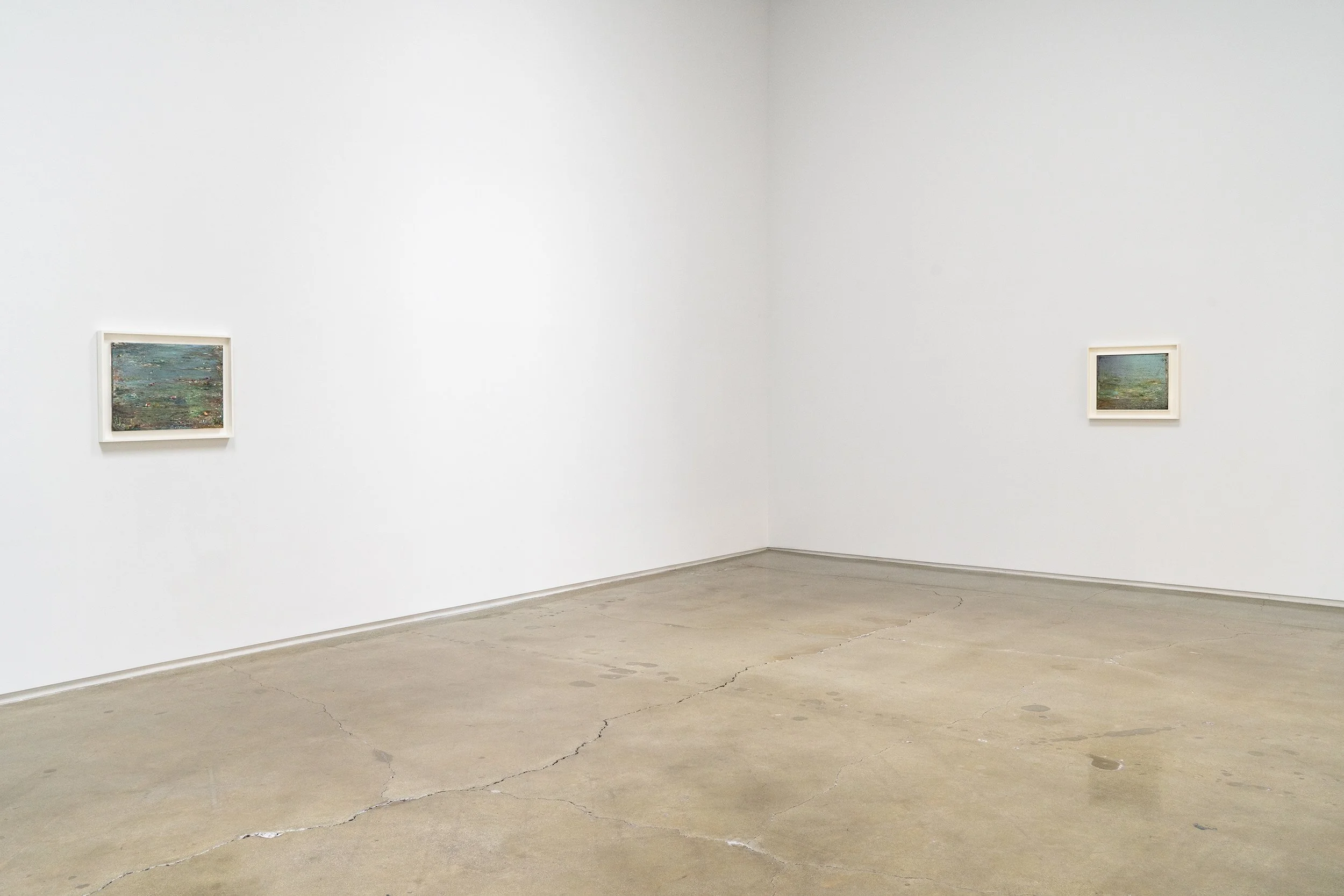
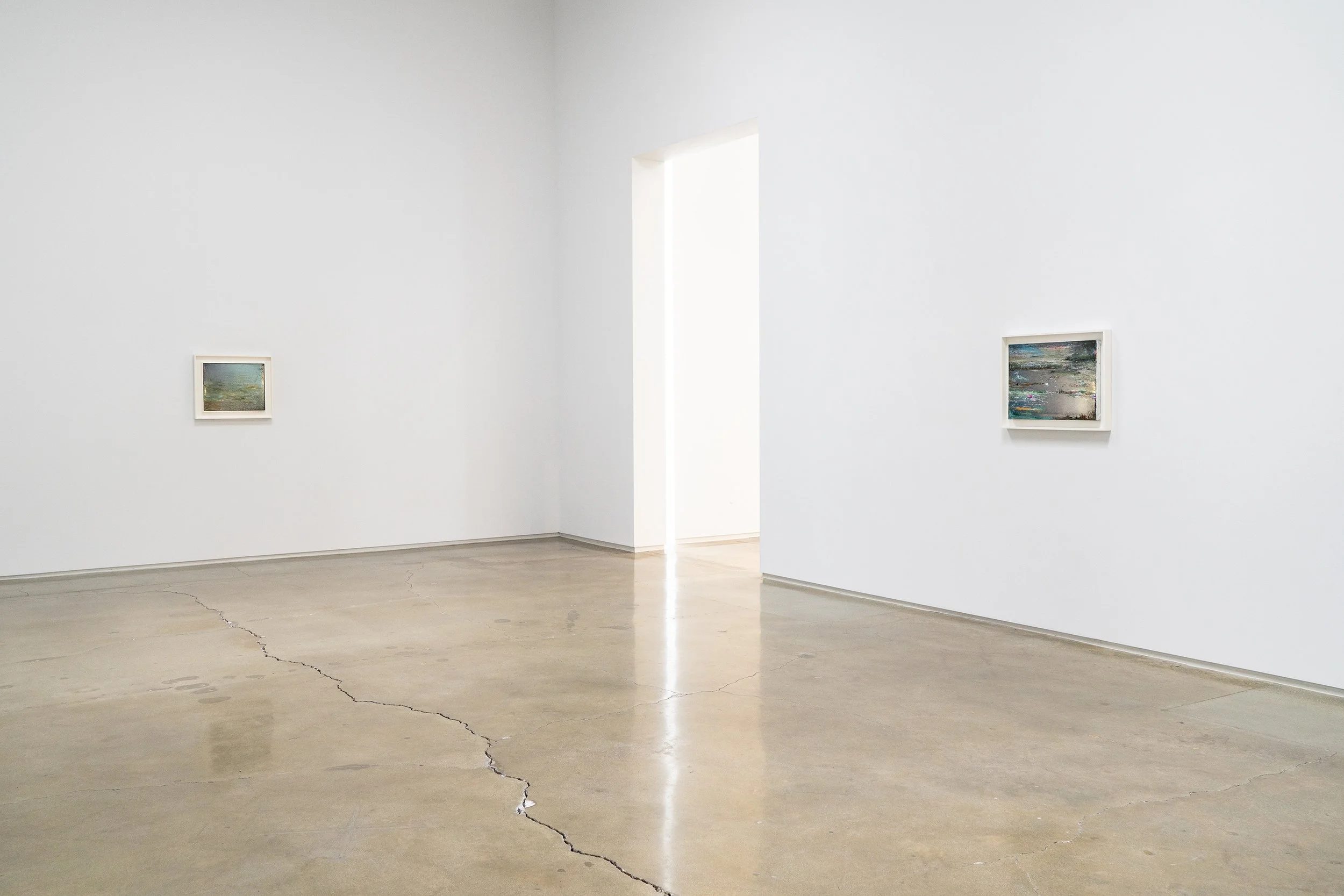
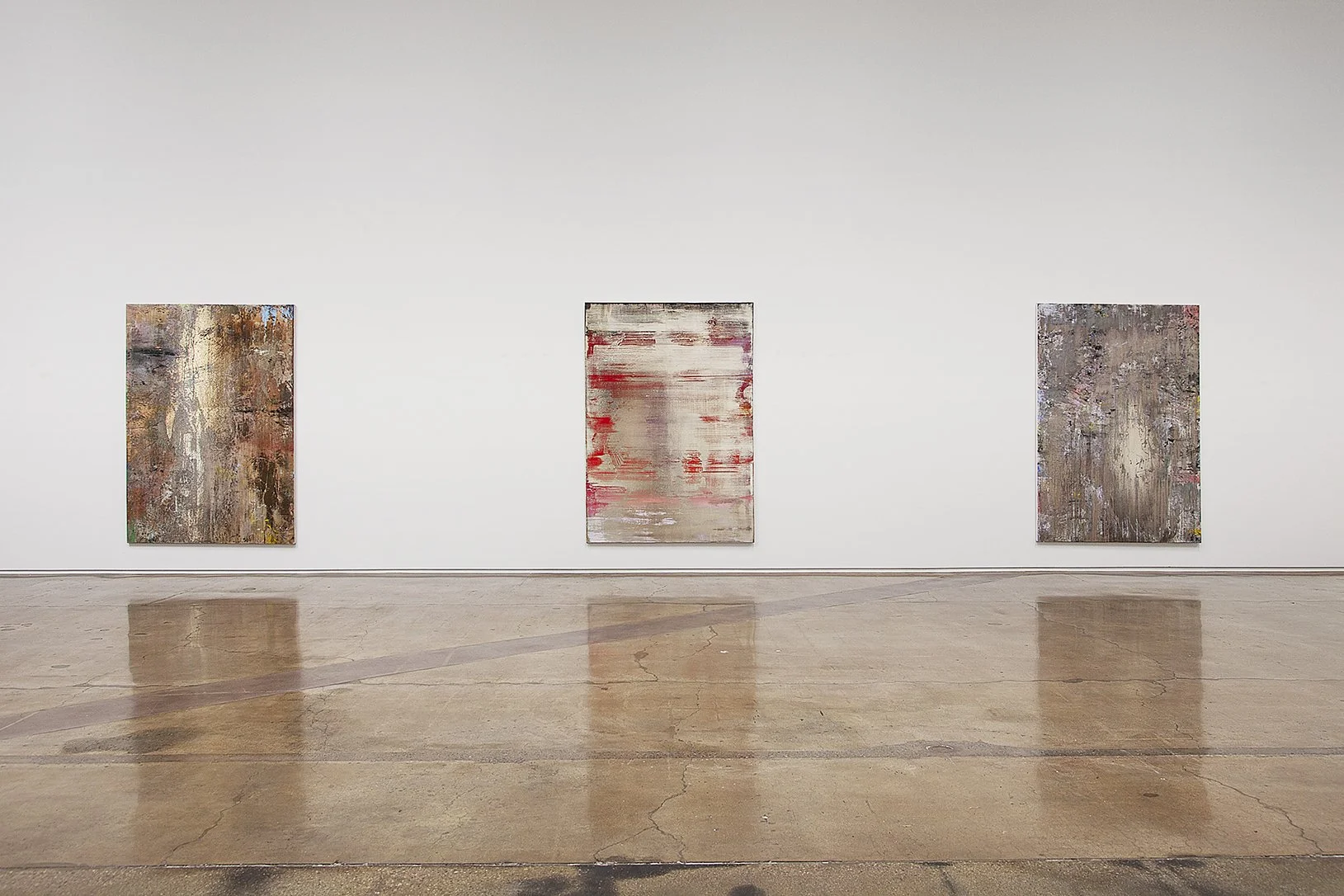
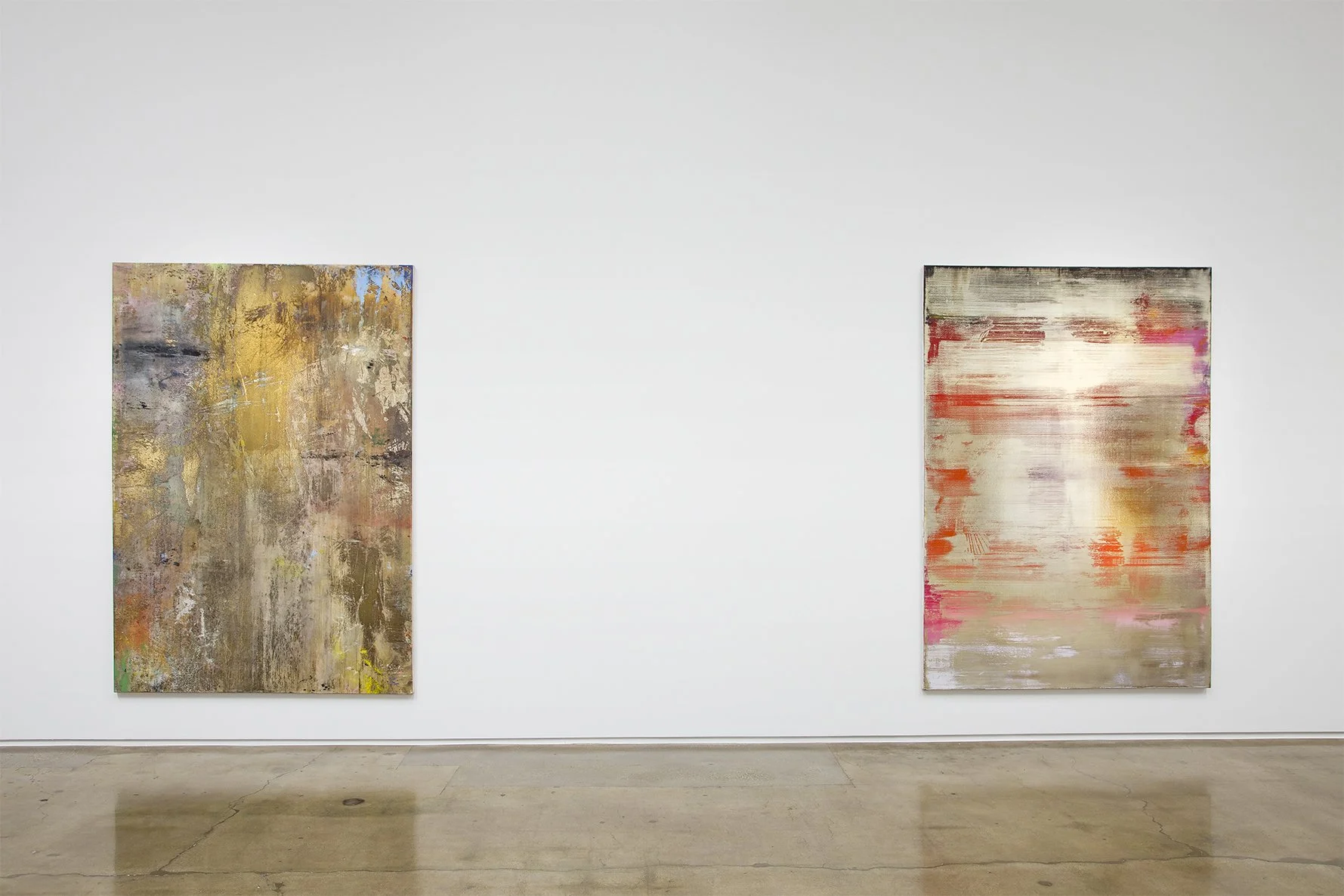
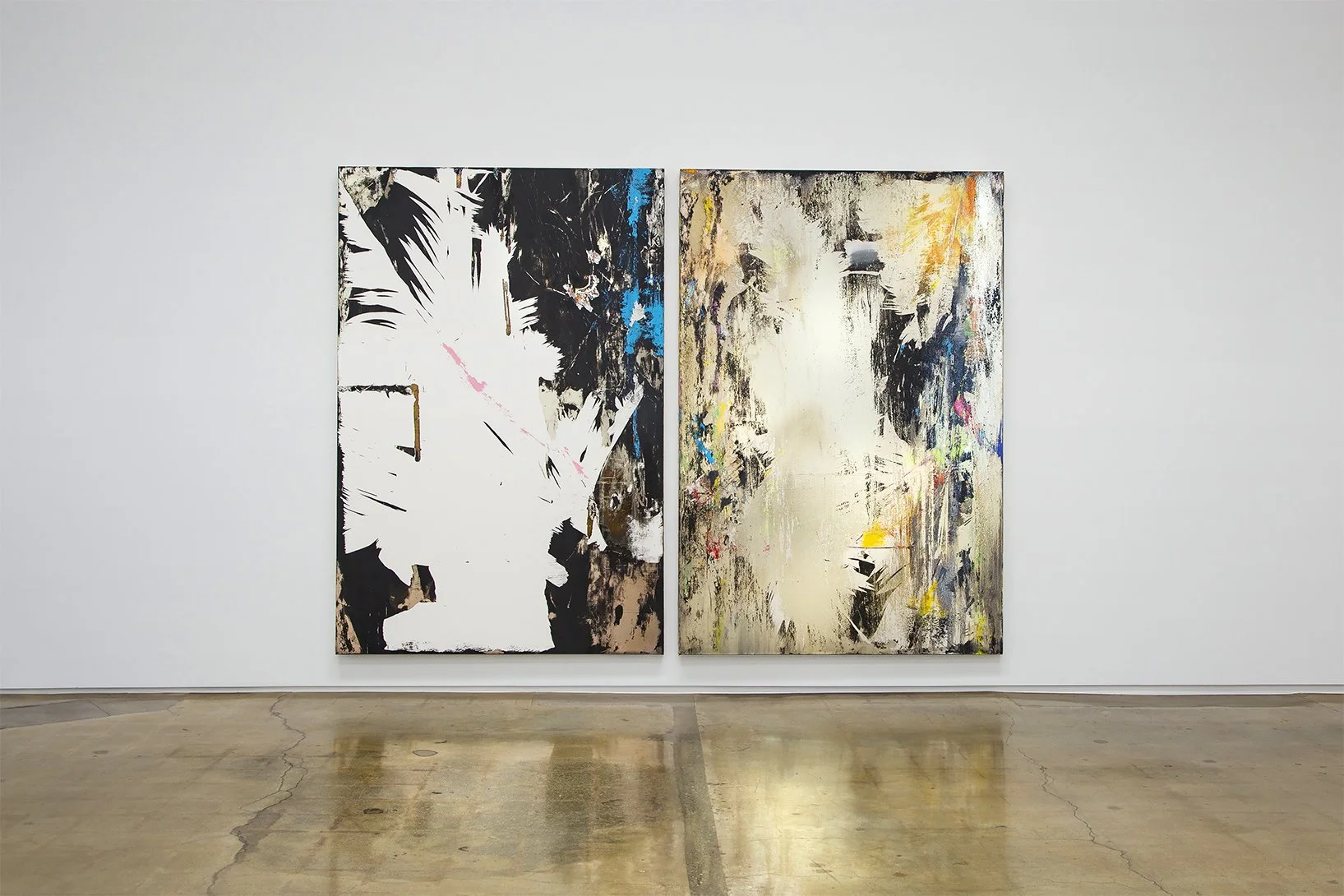
100 Years…, consists of emotive gestural interpretations of flora floating over bodies of water. Partially idealized, they are not exact renditions of nature but impressions that hover between natural and representational beauty. Hod’s scattered mark-making is complemented by the illusion of shimmering water achieved by multiple applications of reflective metallic chrome. Each composition appears to create a singular ecosystem, a simulacrum of the natural world. Upon close inspection, the spectator finds their own likeness reflected in a painterly surface reminiscent of reality, a visual metaphor of vanity, illusion, and the human condition.

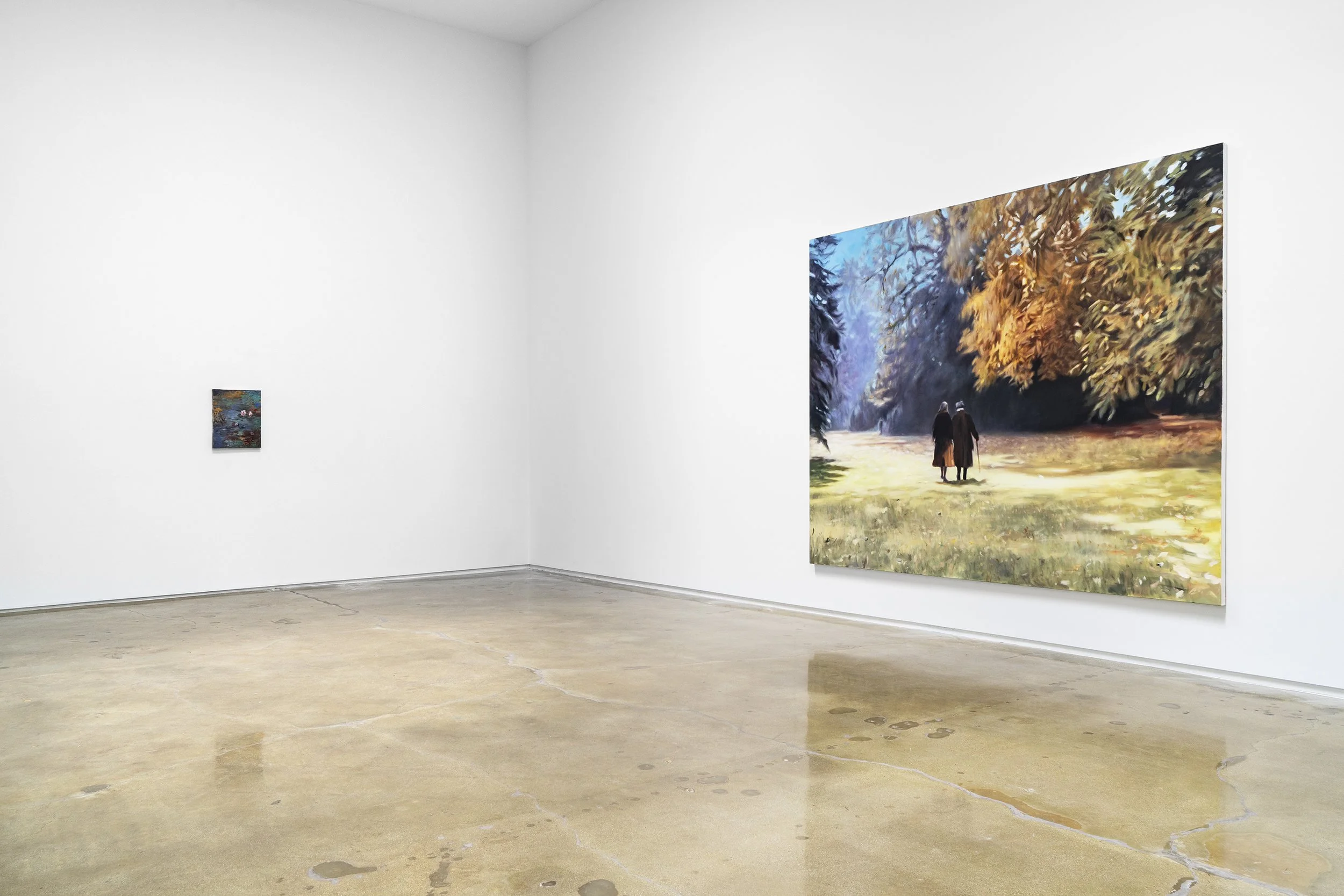
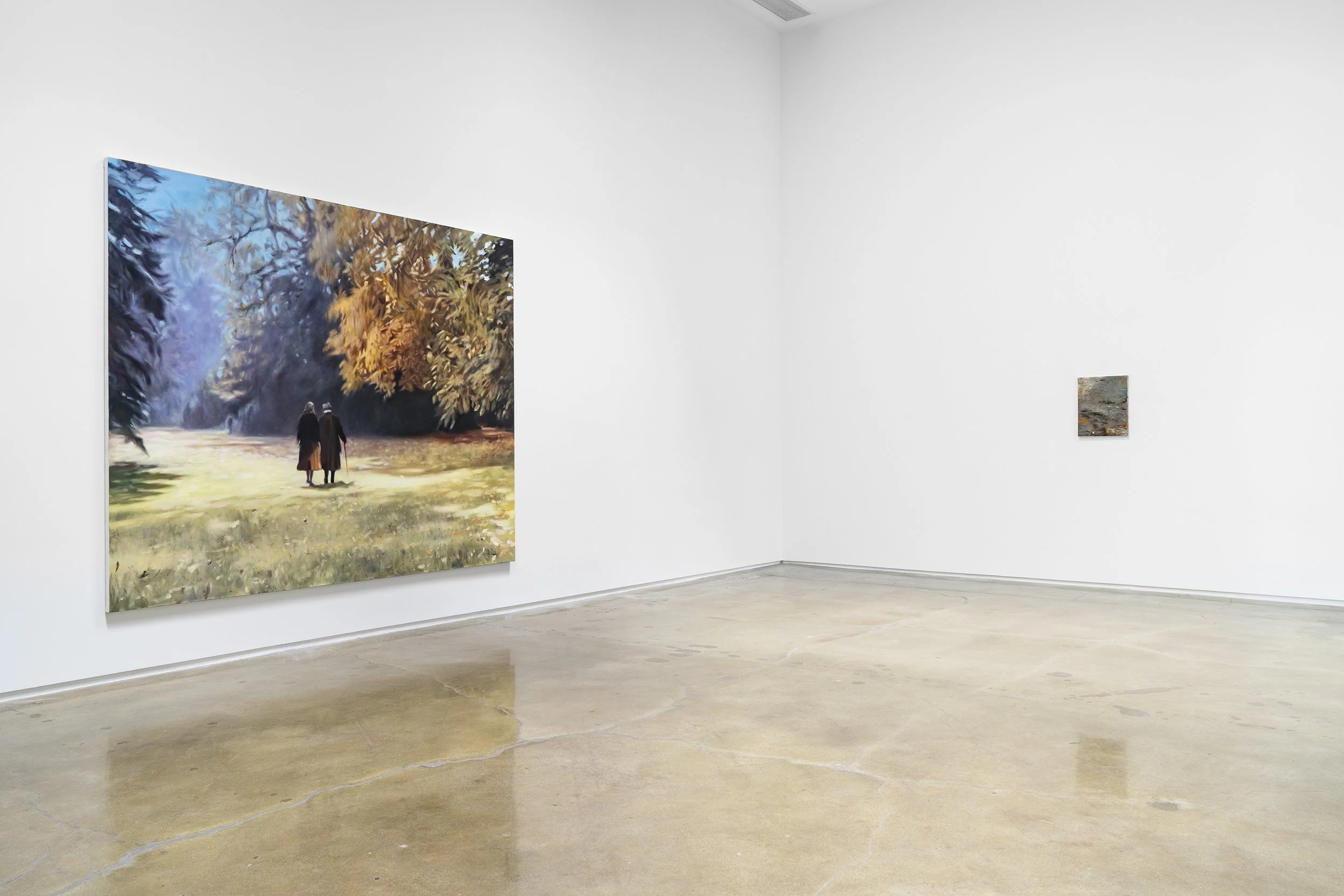
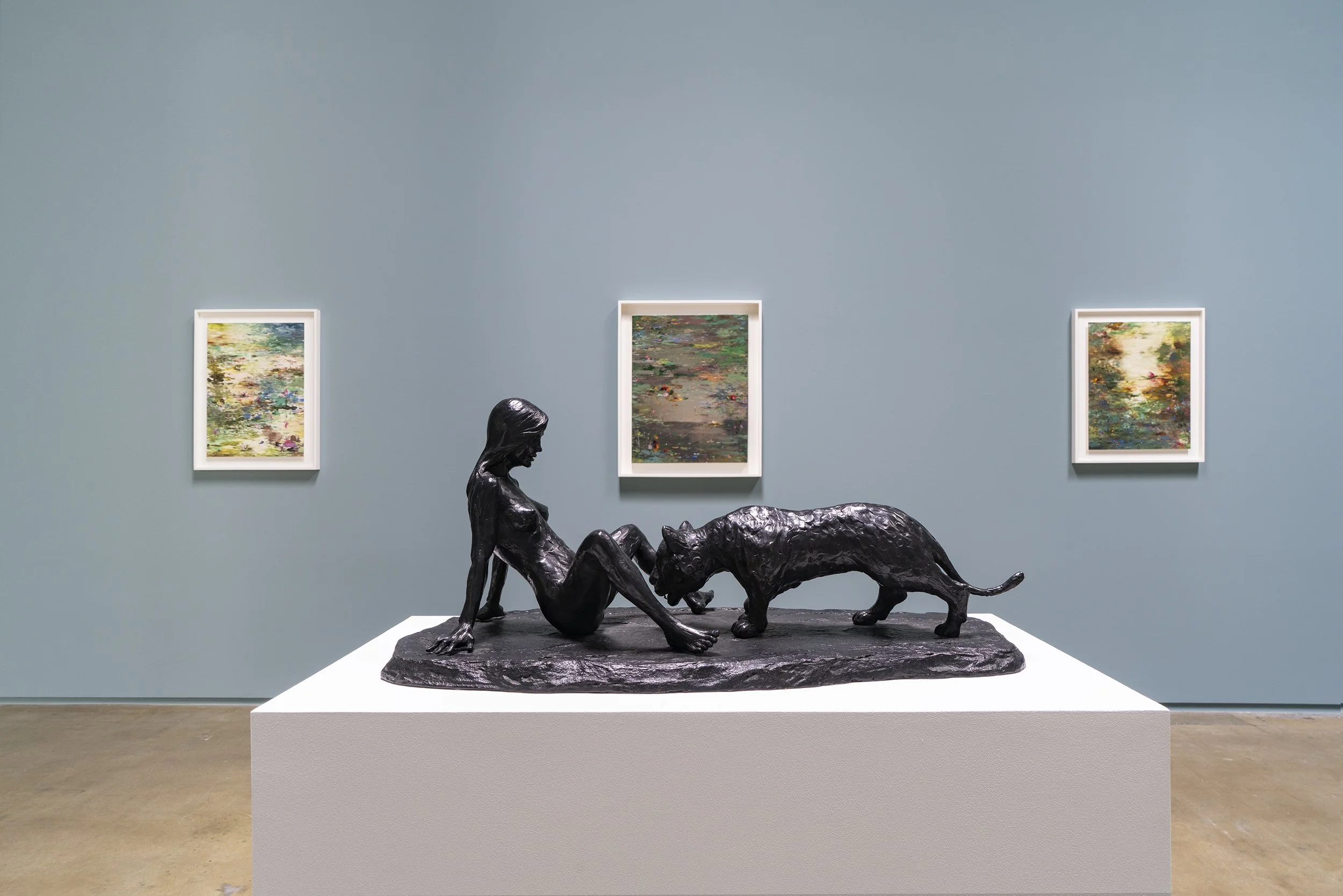
Appropriately titled after Oscar Wilde’s seminal novel The Picture of Dorian Gray, Hod’s new exhibition, Dorian’s Gardens, is visually exquisite but, like Dorian Gray’s portrait, the paintings ultimately betray their true nature through rough gestures, ghostly traces of color, and a myriad of painterly “mistakes” that proudly reveal beauty and decay as one. Together Hod’s group of lustrous, pastoral landscapes reimagine aesthetic perfection through a lush orchestration of exotic flowers, velvet petals slick with dew, manicured hedges, and sun-dappled pathways veiled in haze. Though, laying beneath the surface is an eerily quiet unrest– Hod’s symbolic reaping of the garden’s vitality. In the artist’s interpretation, Dorian’s Gardens is a suspension of transient bloom, a state of longing, of vanished innocence, and hidden truths. A florid world where splendor conceals grief, and perfection is a carefully painted mask.

Equally present in Dorian’s Gardens is Hod’s affinity for art history. A palatial ambiance that recalls Old Masters is achieved through color palettes of deep turquoises, jewel-toned reds, and purples melded with black and brown tones. The relaxed brushwork of Life as a Memory, a portrait of a couple taking a stroll, is a melancholic recall of poems and letters of loneliness. While Hod’s newest figurative sculpture, Lonely girl with tiger– evocative of the allegoric bronzes from the Renaissance–carries themes of desire.
Nir Hod, 100 Years Is Not Enough

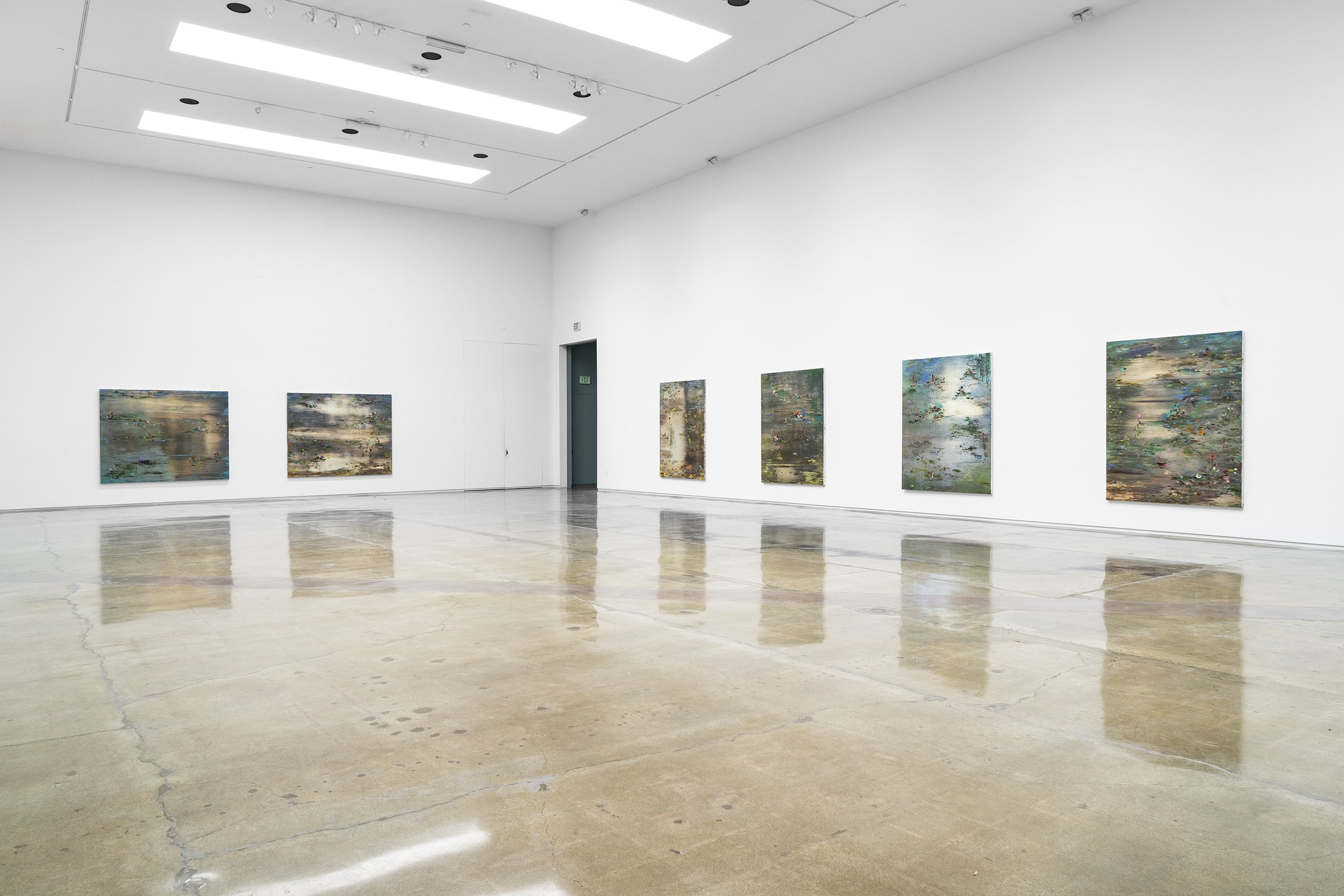
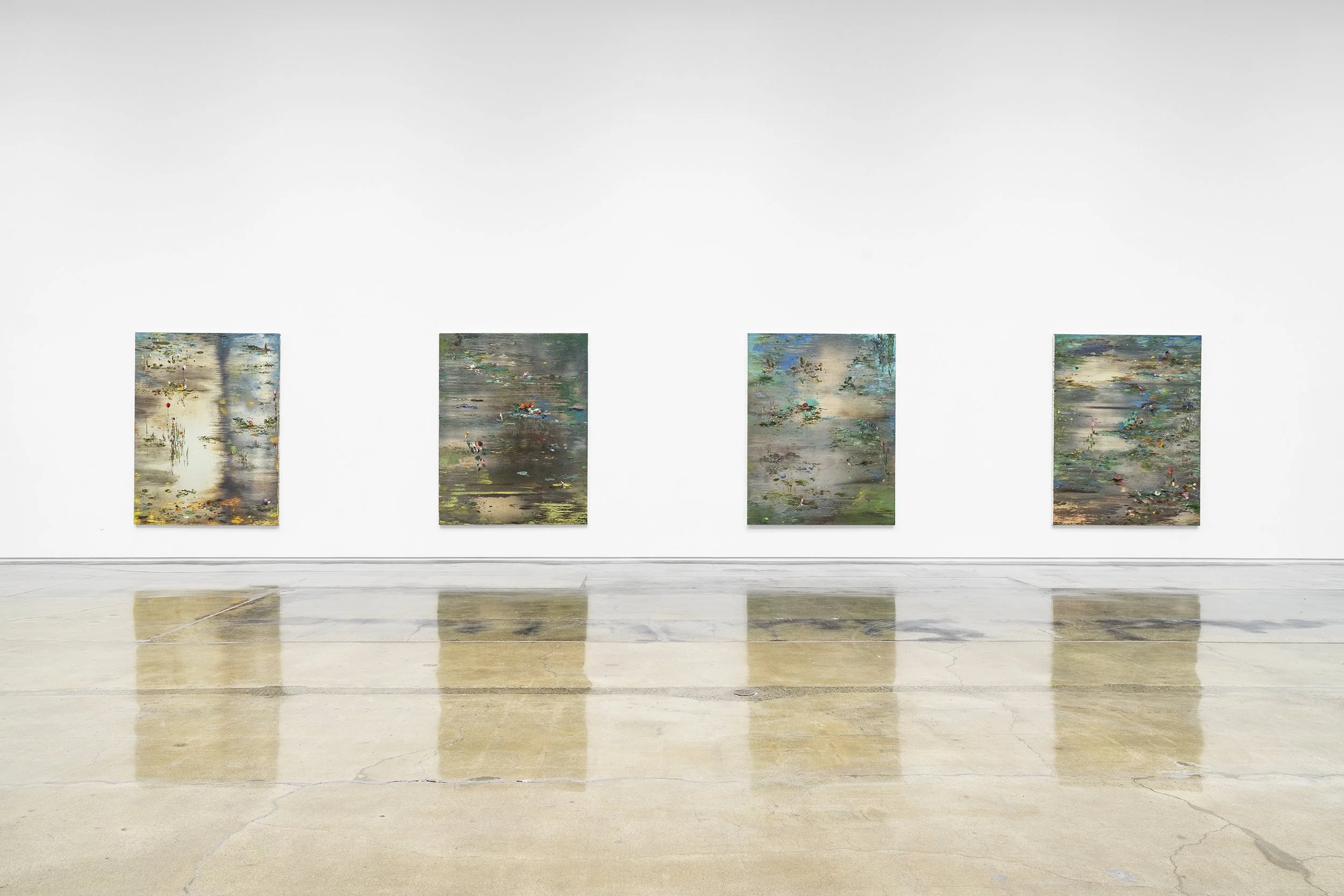
Kohn Gallery is delighted to announce its second solo exhibition of Israeli-born New York-based artist Nir Hod. In 100 Years Is Not Enough, Hod’s artistic practice draws upon personal memory and traumatic historical events to elicit subtle tensions between the viewer’s expectations and the material reality of the painting surface. The title of the exhibition, 100 Years Is Not Enough, is taken from Hod’s naturalistic group of floral landscapes which employ similar elements from his distinct chromed, abstract canvases.

These new works present a masterful play between the profoundly illusionistic depth of the chromed, mirror-like surface that reflects the viewer and their surroundings, and the physical substance of the painting evidenced by the oil painted brushstrokes surrounding the chrome. The effect has an extraordinary impact precisely because of the two competing, yet completely compatible, major shifts in painterly perspective.

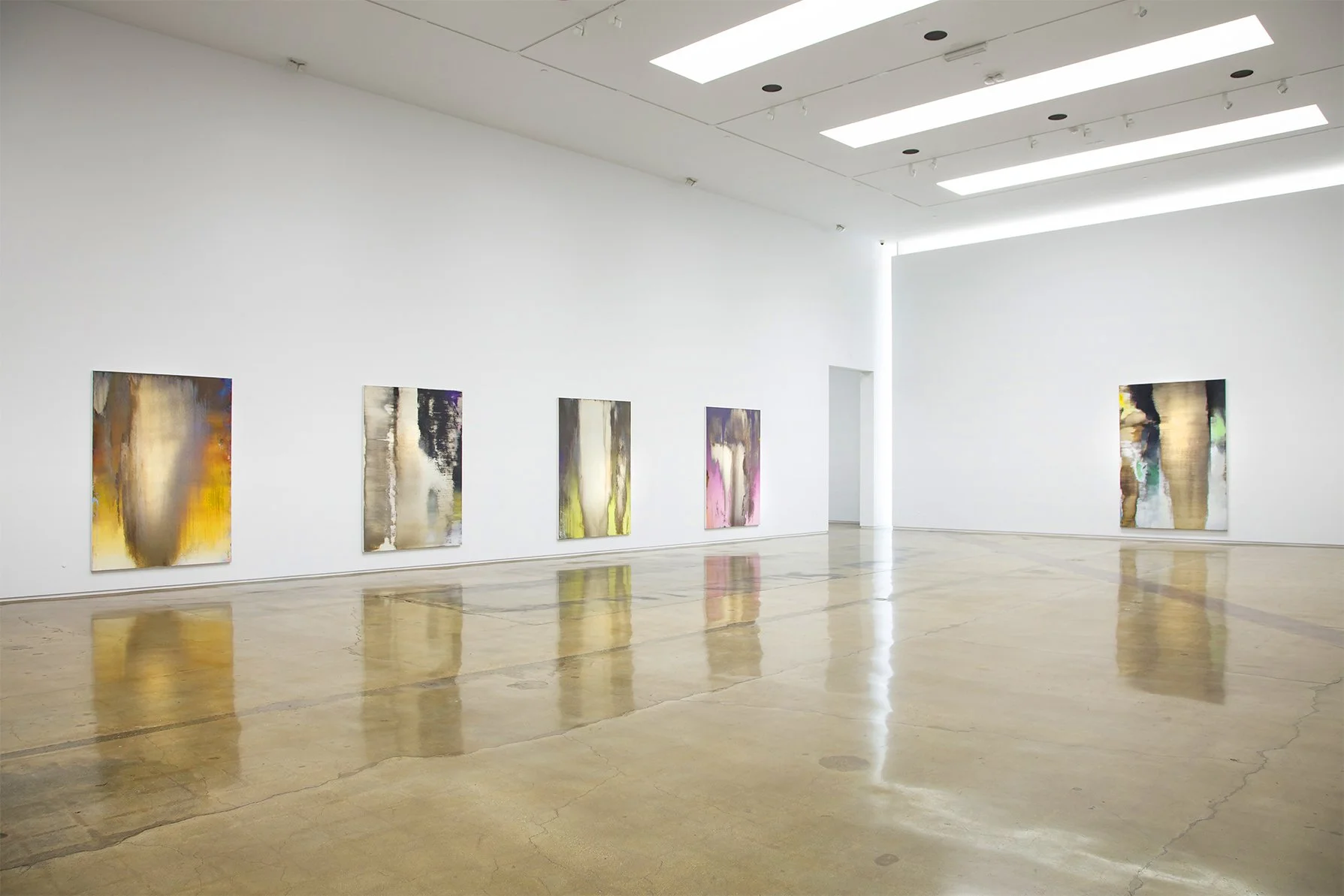
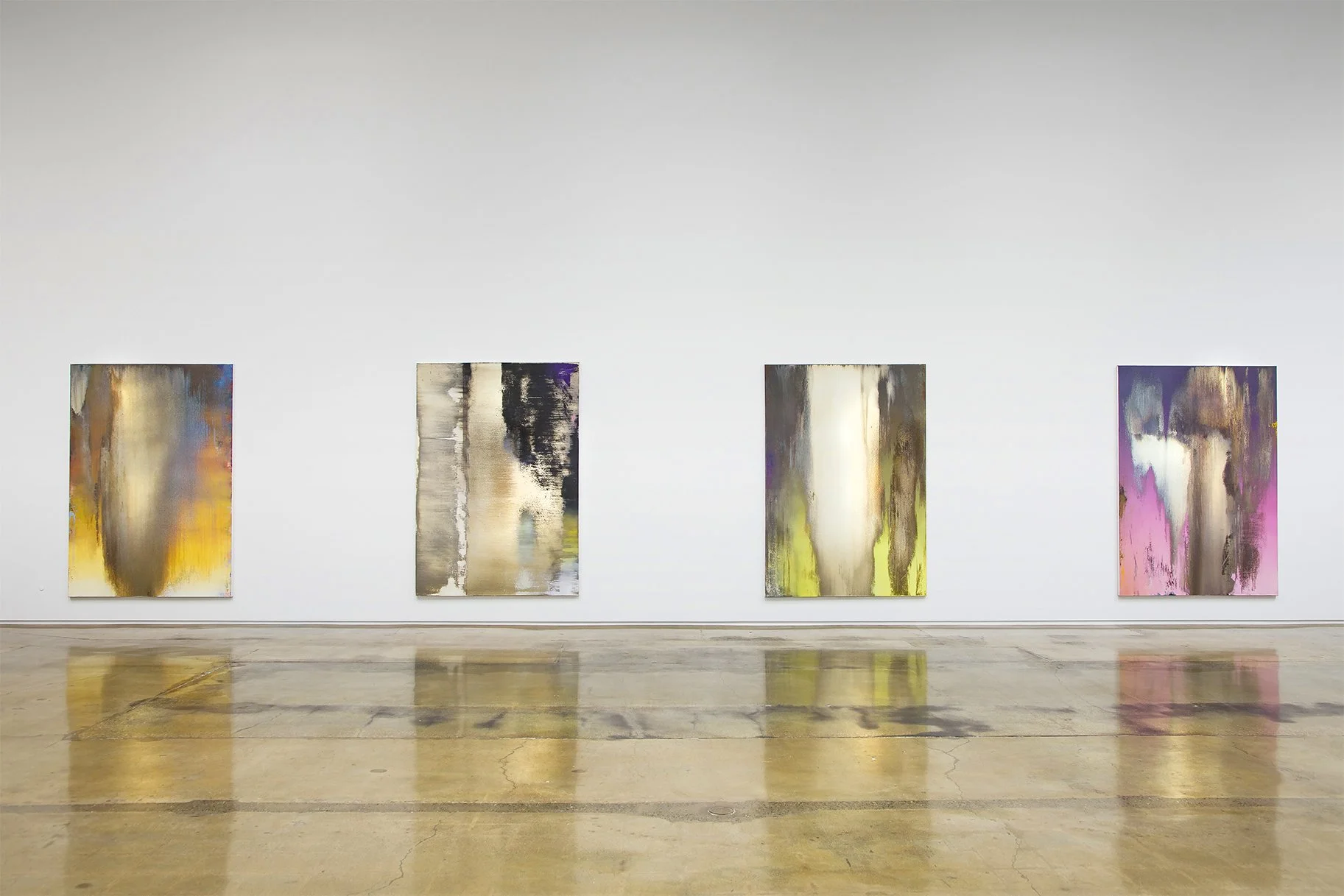
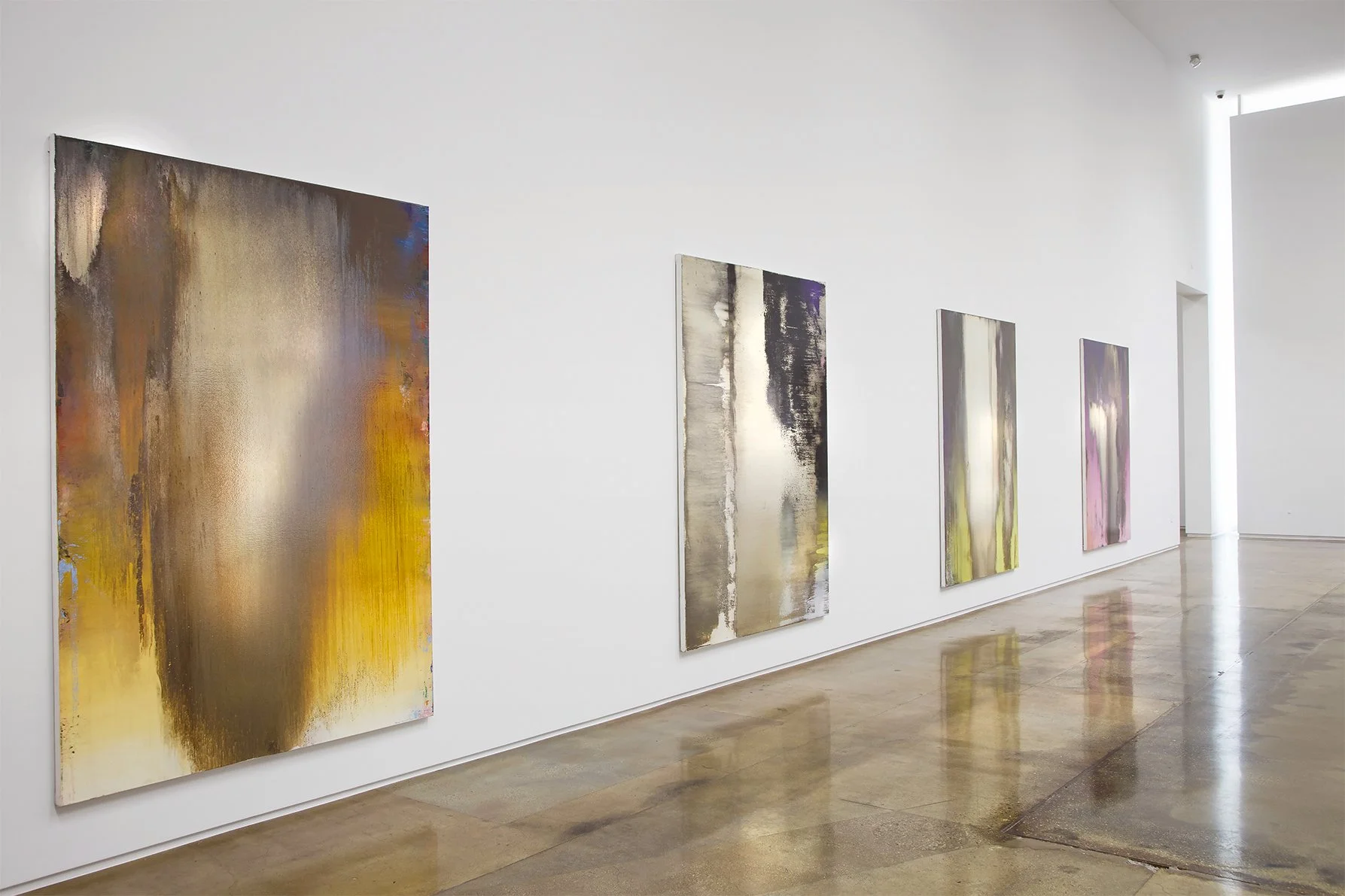
Hod’s notable chrome and oil paint canvas series, The Life We Left Behind, returns; this time informed by the larger context of the artist’s 20-year career. Hod applies a labor-intensive chrome technique over washes of oil gradient underpainting. The canvases are then carefully, sometimes brutally, manipulated by the application of ammonia, acids, air pressure, and soft brushes to remove sections of the chrome to expose the underpainting. In these new paintings, the artist has transformed his reflective canvases and by extension the viewer who—at the very moment of observation becomes integral to the subject matter—into highly aestheticized bodies. The finished paintings, with their vacillating pictorial depths of field, act as palimpsestic archives of beauty amid destruction.

These elements are further expanded upon in Hod’s titular series, which he describes as “a collage of nature.” The works appropriate and synthesize Claude Monet’s water lily iconography into dream-like interpretations of flora and various bodies of water. Thick impasto is layered over the chrome, taking upon the shimmering effect of sunlight on water. 

New sculptures expand upon Hod’s signature themes of decay and nostalgia. I Miss You, a larger than life 14-foot sculpture composed of 2,000 melted Shabbat candles, piles up Jewish mysticism, sexual undertones, and scattered emotional debris into a monument of excess. Hod explains, “The candle represents memories, prayers, and wishes; the wax of a single candle is amassed into a monolithic structure.” Scratches of Butterfly features a curved, marble hand acting as a pin cushion for the lethal needle of a delicate butterfly specimen, capturing “human pain alongside the beauty and fragility of life, and the romanticism of two opposites coexisting.”

Each part of the exhibition flows into the other, as a glimpse into the past and a glance towards the future. To look at one of Hod’s paintings is to be reminded of the ephemerality of memory; how its construction and performance is ultimately malleable and subjective. As Hod says: “It doesn’t matter if the story is precisely true…it’s about you telling the story. It’s almost like going to a rock concert where the audience sings along with the performer. I want the viewer’s experiences to be echoed in the work as they are reflected back in the canvases.”
Nir Hod, The Life We Left Behind

Kohn Gallery is excited to announce the first West Coast solo exhibition of paintings and sculptures by the Israeli born, New York-based artist Nir Hod. Over the last 20 years the artist has exhibited internationally in Europe, Asia, Israel and the United States, and has established a reputation for intrinsically beautiful works, from figuration to abstraction, that belie a deeper, fundamental meaning.  “By telling the truth through beauty,” says Hod, “you get away with many things.” 

In the late 19th Century, the famous art dealer Duveen announced that the newly varnished surfaces of the Rembrandts and Raphaels he sold to the industrial titans of the age were so highly reflective that they would see their own reflection in these Old Masters. Nir Hod’s new work markedly places the viewer within the painting by means of the chromed, reflective surface area. Hod explains, "The viewer’s reflection is mirrored back and they becomes part of the artwork. They position themselves in the painting and create their own distracted image, and the viewer metaphorically becomes the subject of the painting. In the age of social media the idea and exploration of narcissism is ever more relevant.”  

This idea is especially resonant in Hod's latest series of abstract paintings. According to the writer Michael Slenske, "This paradox between surface and substance, polish and patina, capitalists and despots is what drives — and has always driven — the work of Nir Hod. Hod upends Oscar Wilde’s The Picture of Dorian Gray by means of mirrored abstractions that begin with heavily labored gradient under paintings invoking the sublime sunsets of J.M.W. Turner which the artist cancels with a chroming technique first developed by the US Navy in 1939. He then degrades this finish fetish application via air pressure, water, ammonia and various acids to create a surface tension between newfangled industrial applications and age-old oil technique.” These new canvases are heavily laden with paint and chrome, and the result is a perfect, nuanced balance between surface elegance and painterly depth.

The sculptures of Nir Hod explore a similar theme in a different form. In his major piece, “Once Everything Was Much Better, Even The Future, Frozen Fountain”, a classical outdoor fountain is almost fully covered with opaque material that resembles instantly frozen water. It is as if an olden symbol of decorative sculpture has been frozen in time and consumed by the watery elements that once made it flourish. Beauty and decay. A momento mori of contemporary art. It is an extraordinary monument and perhaps Nir Hod’s most ambitious sculptural effort to date.

Nir Hod’s work is included in the permanent collections of the Tel Aviv Museum of Art, The Israel Museum, and numerous private collections around the world.