January 20 - March 2, 2024
Gallery 1 & 2
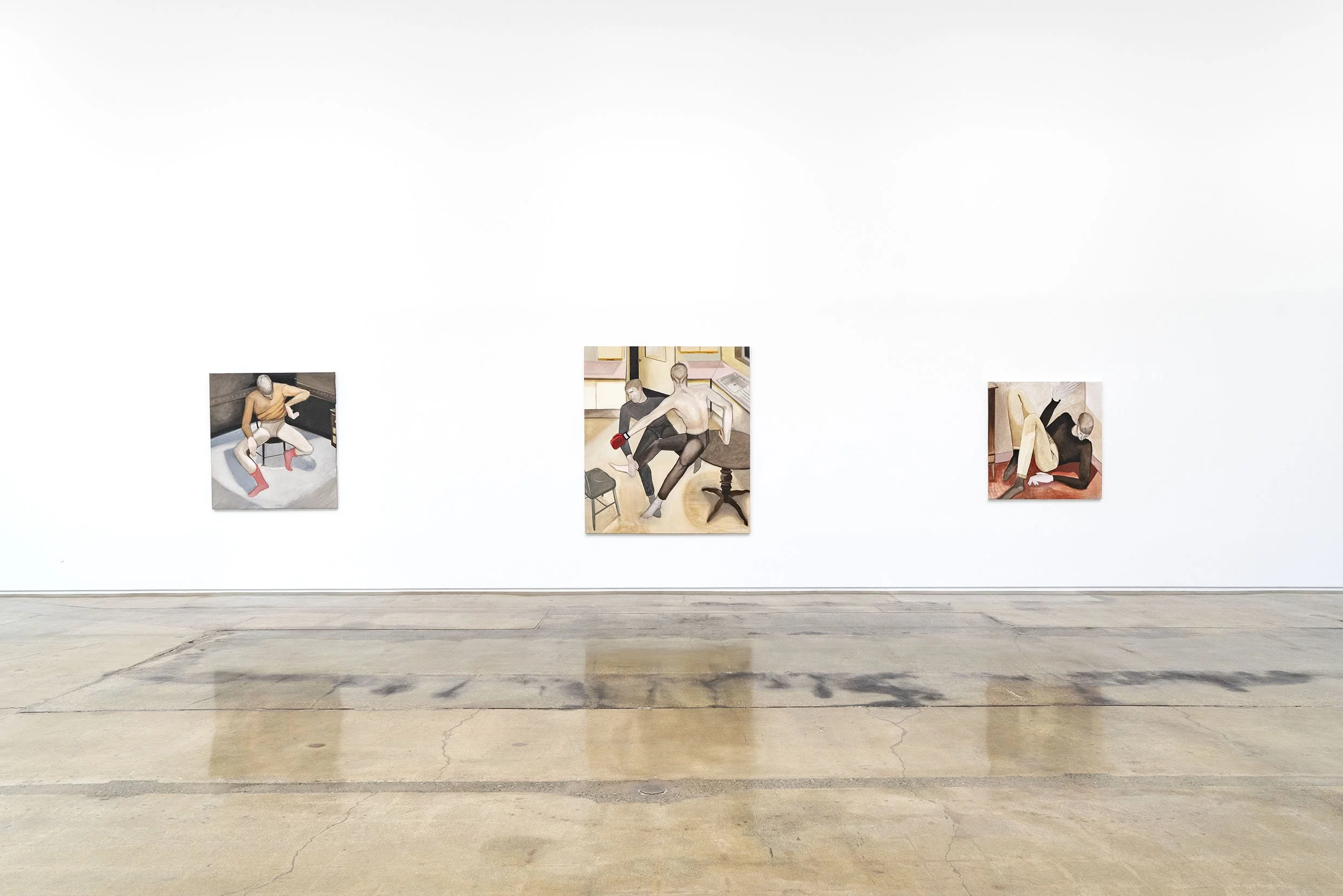
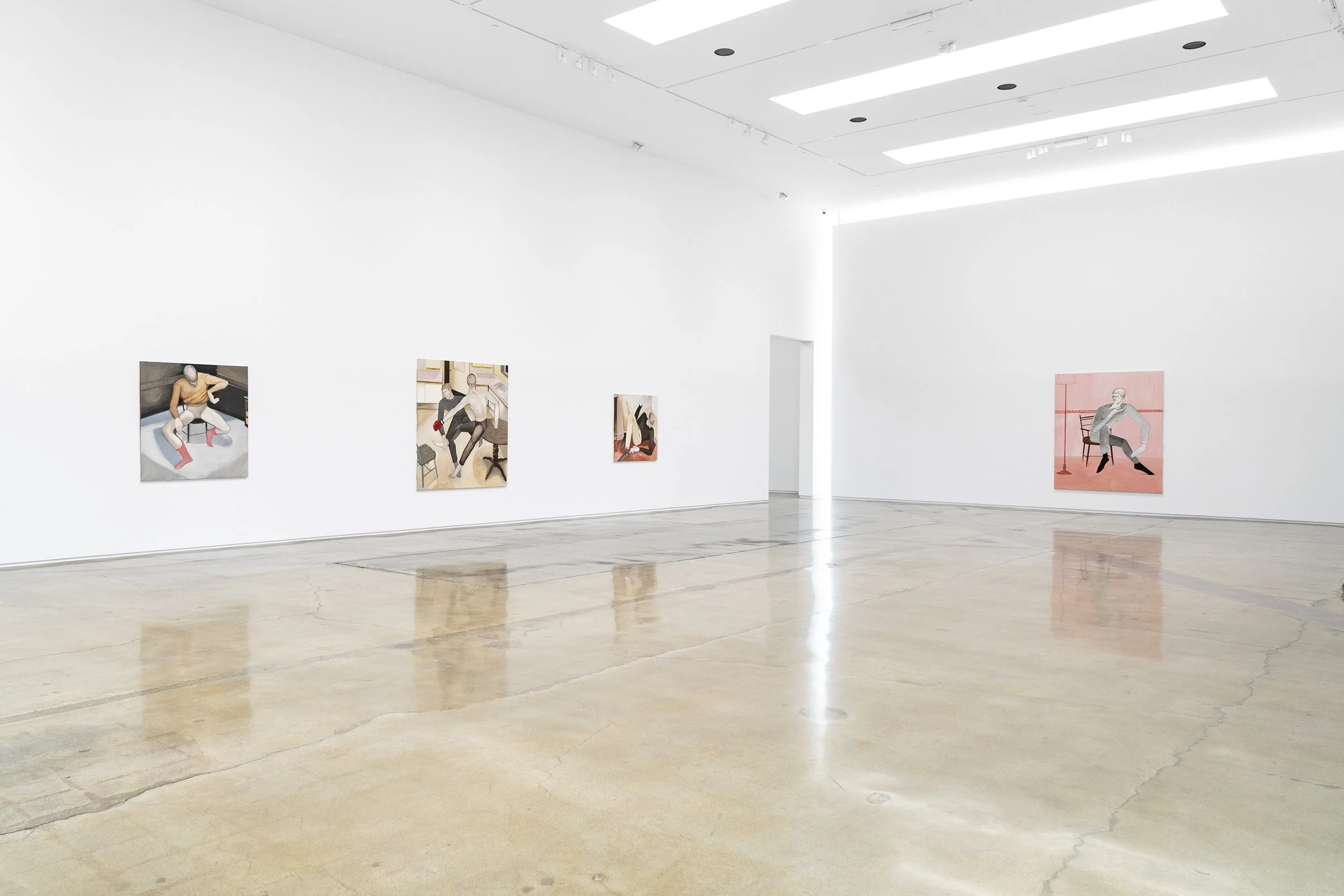
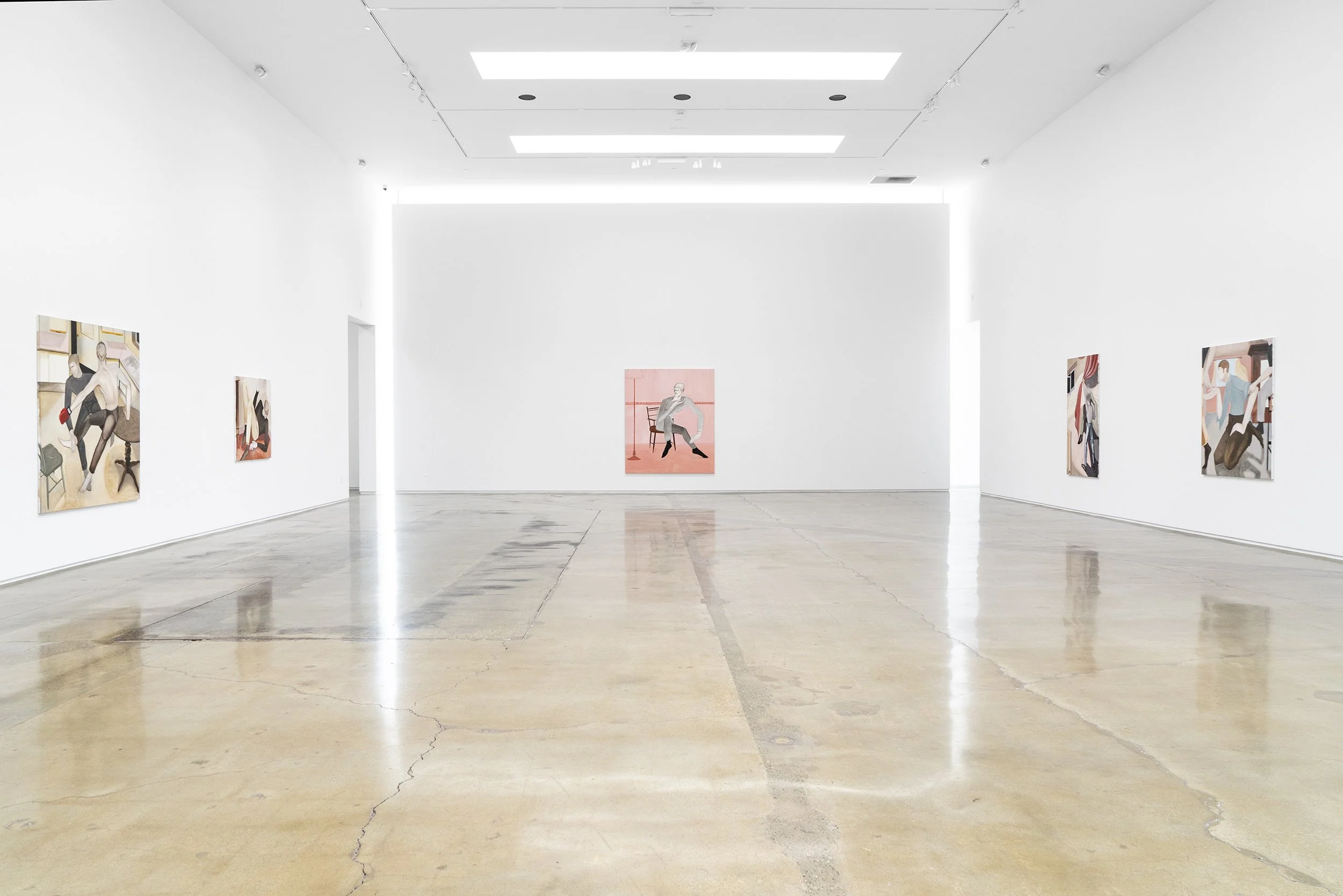
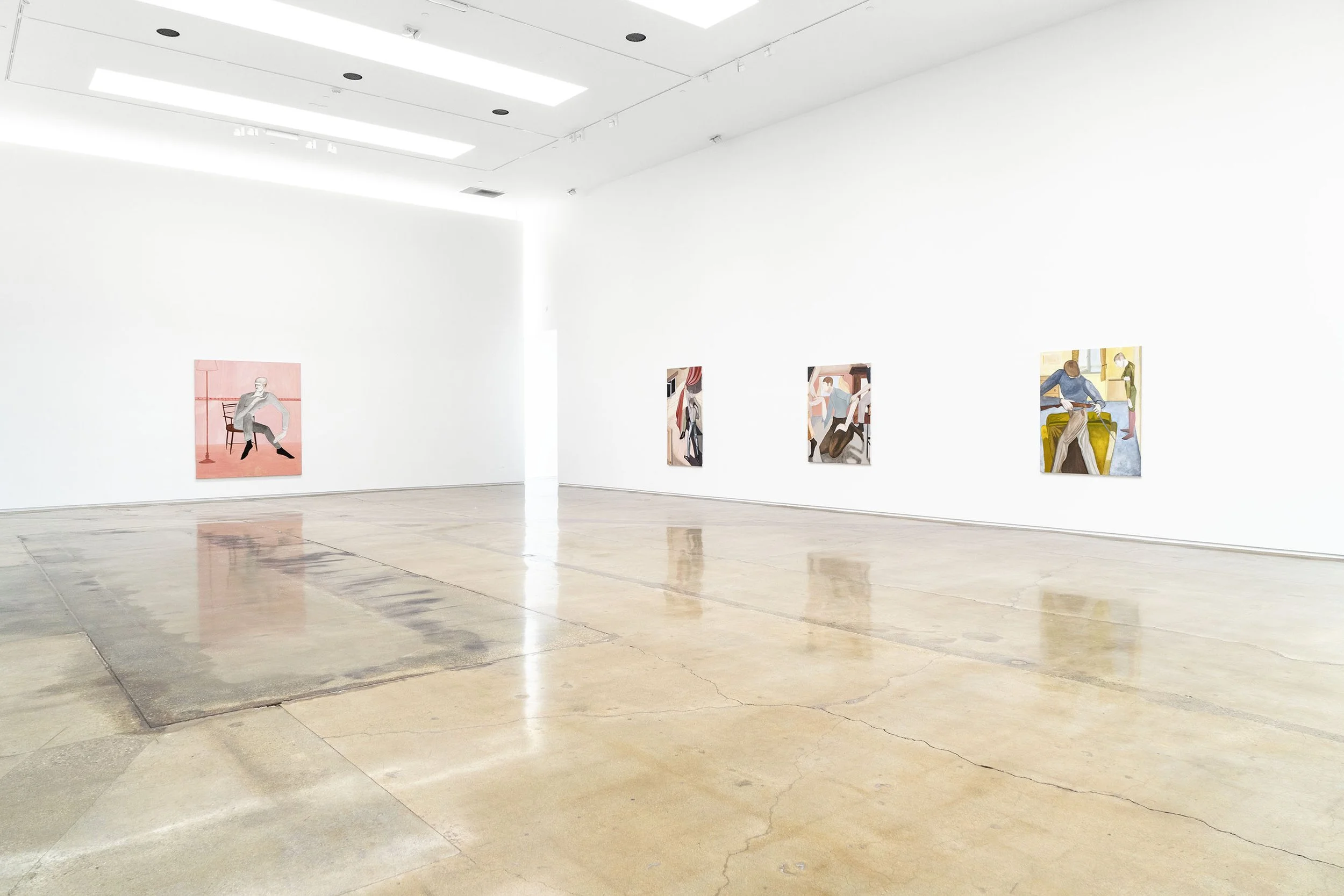
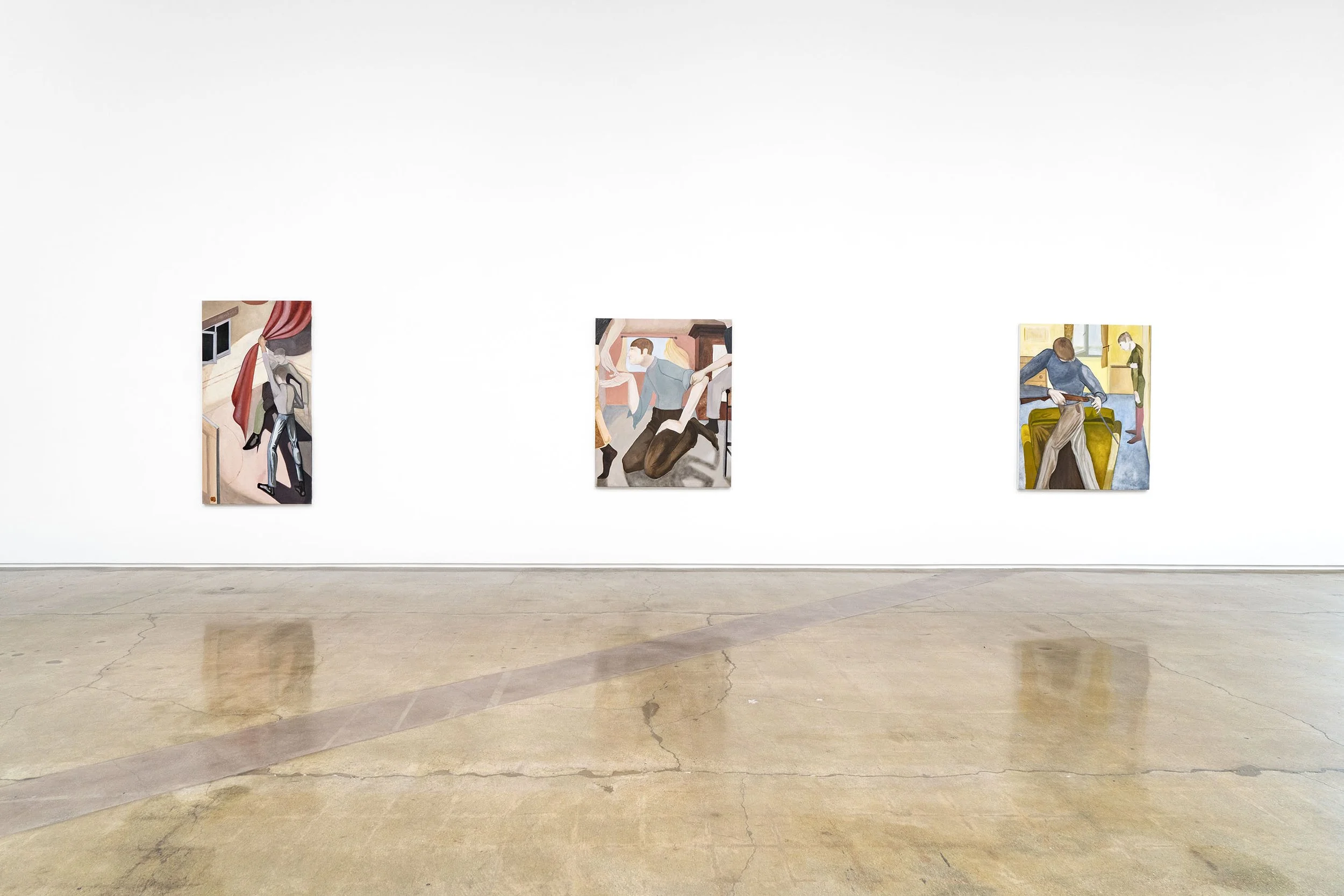
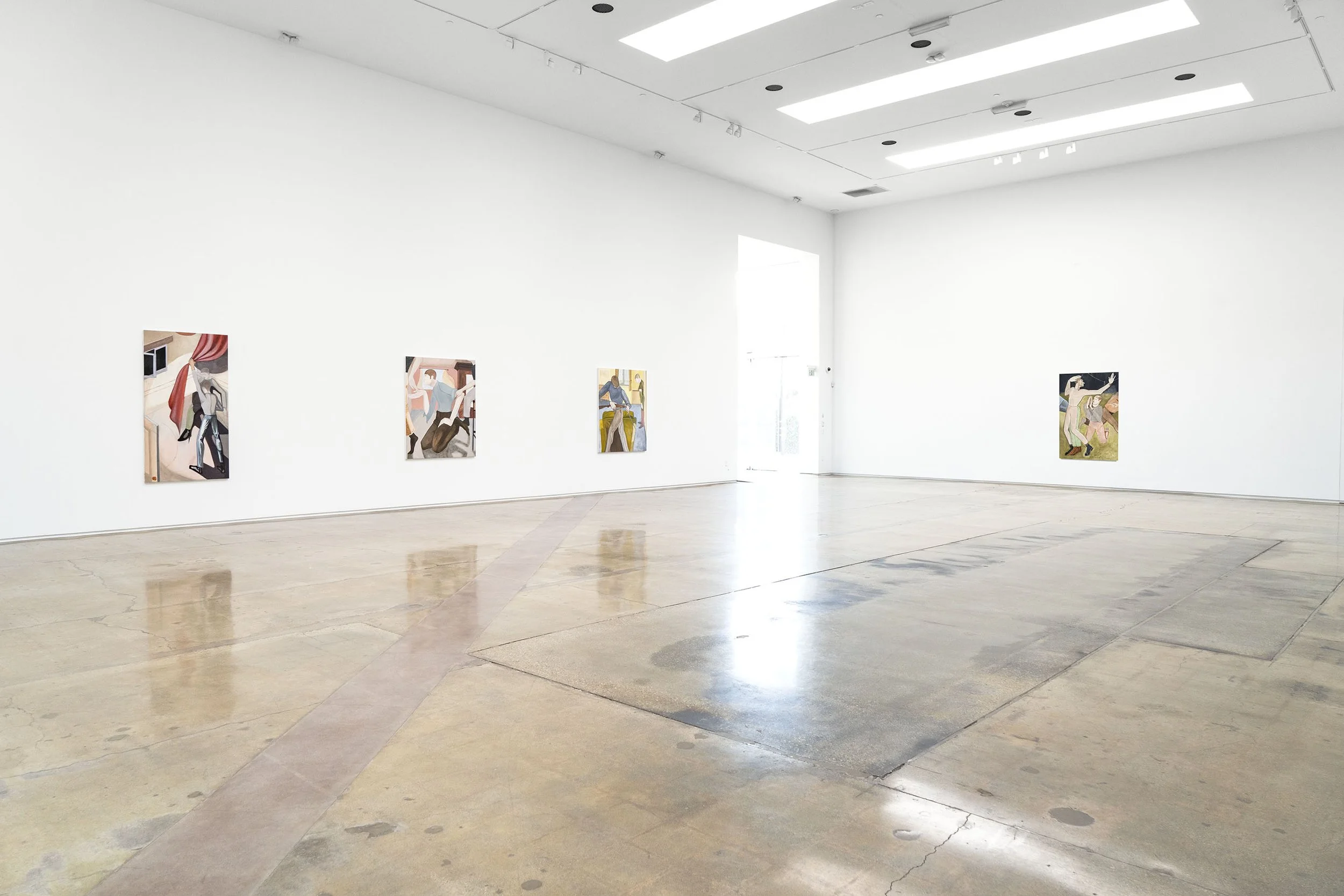
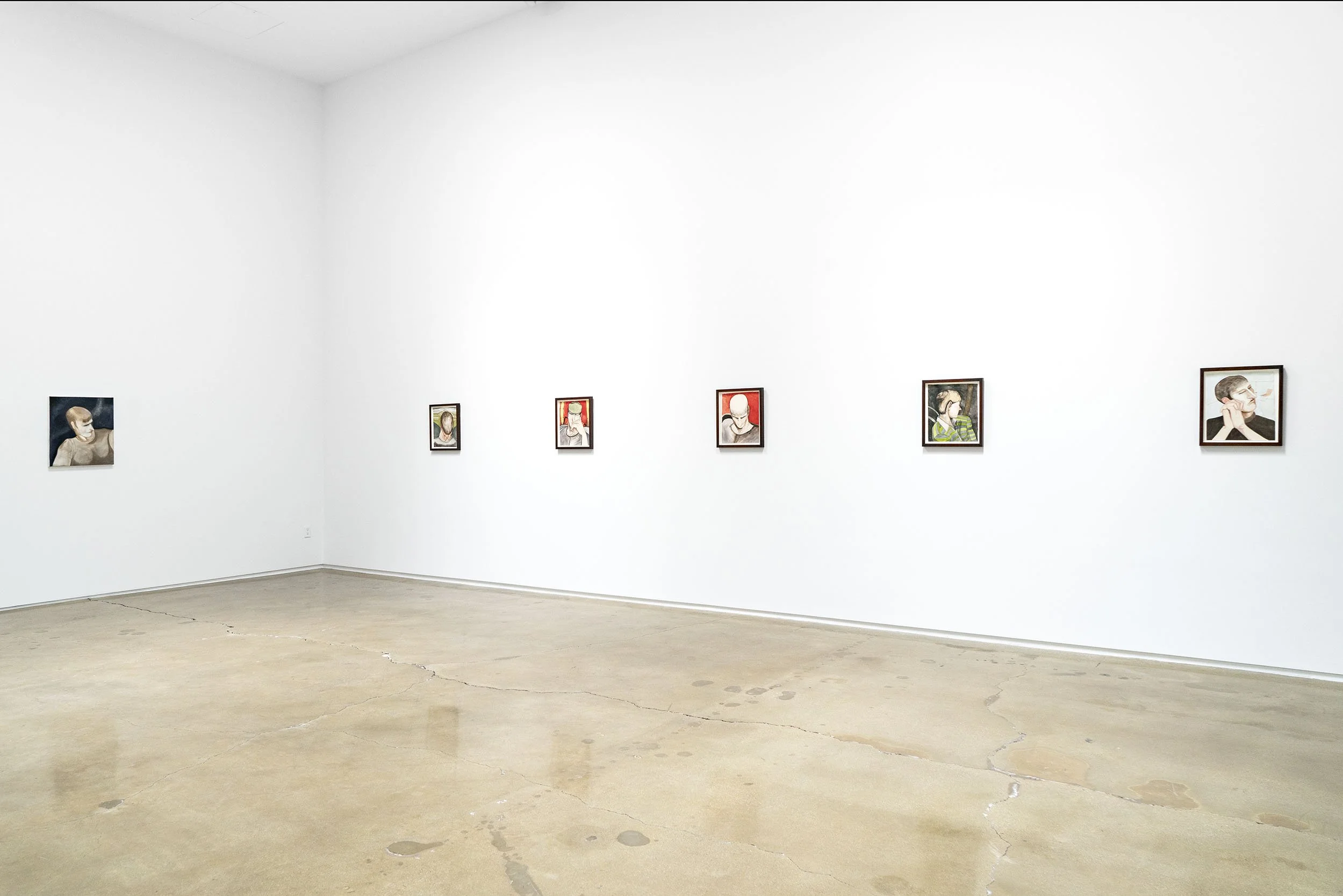
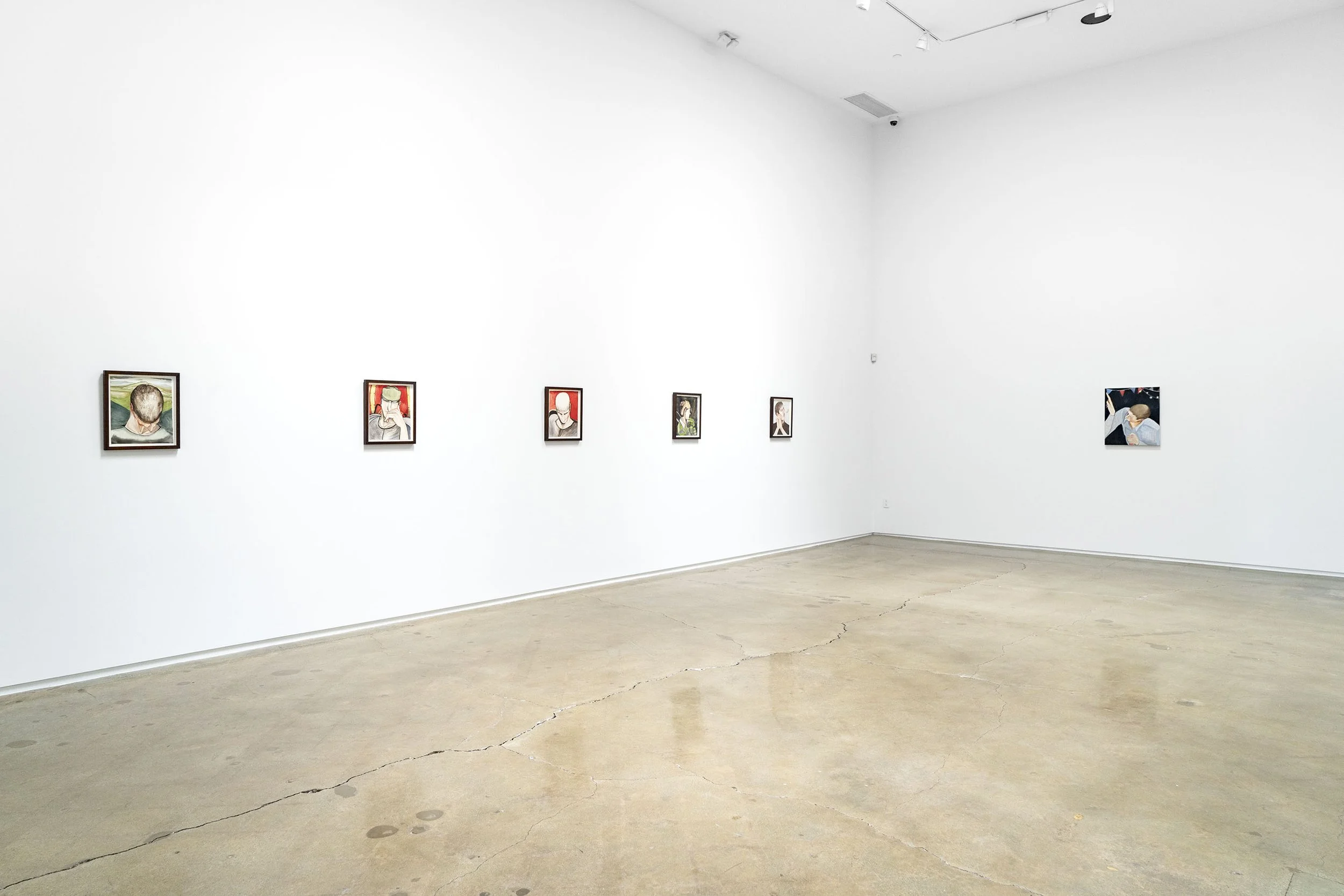
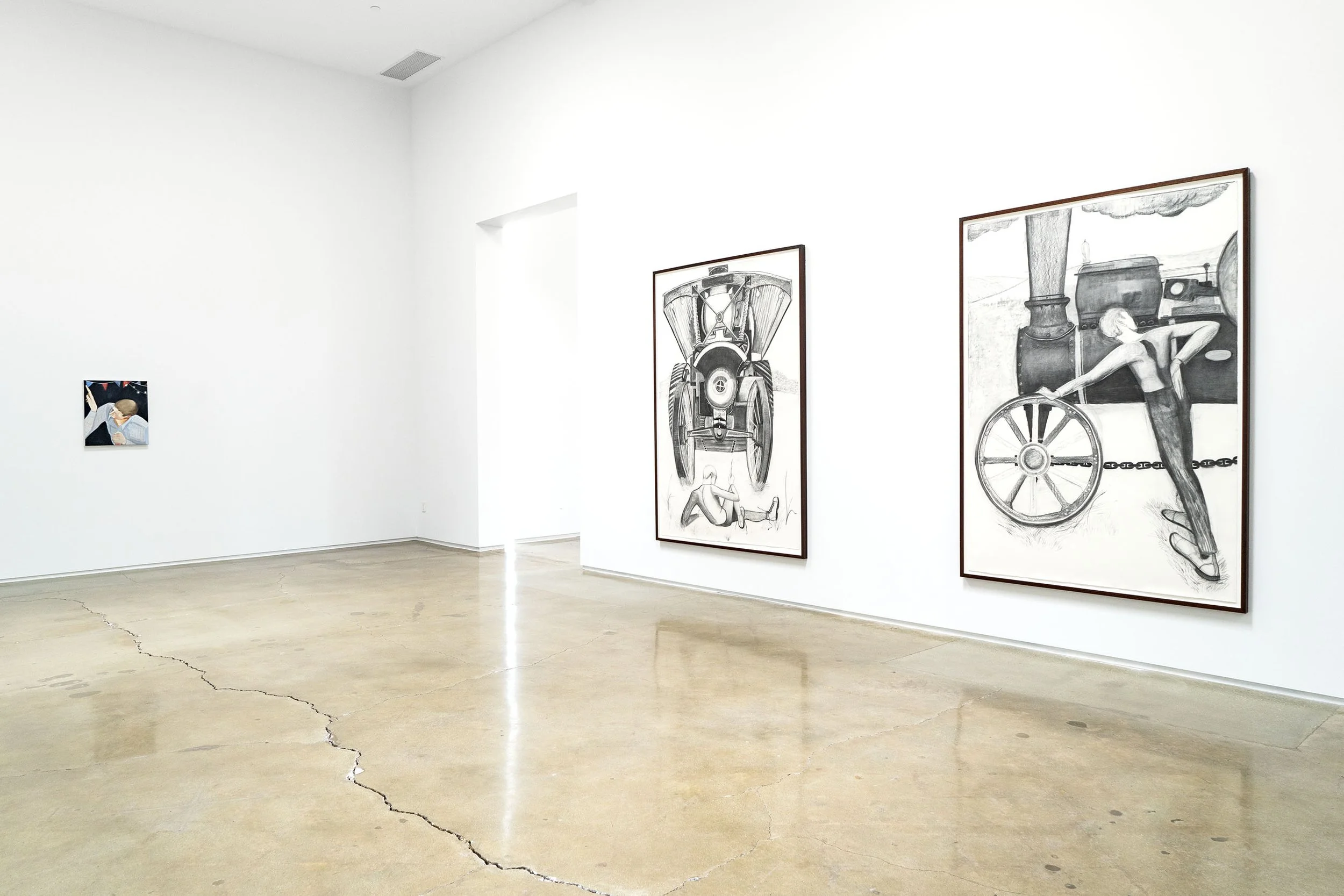
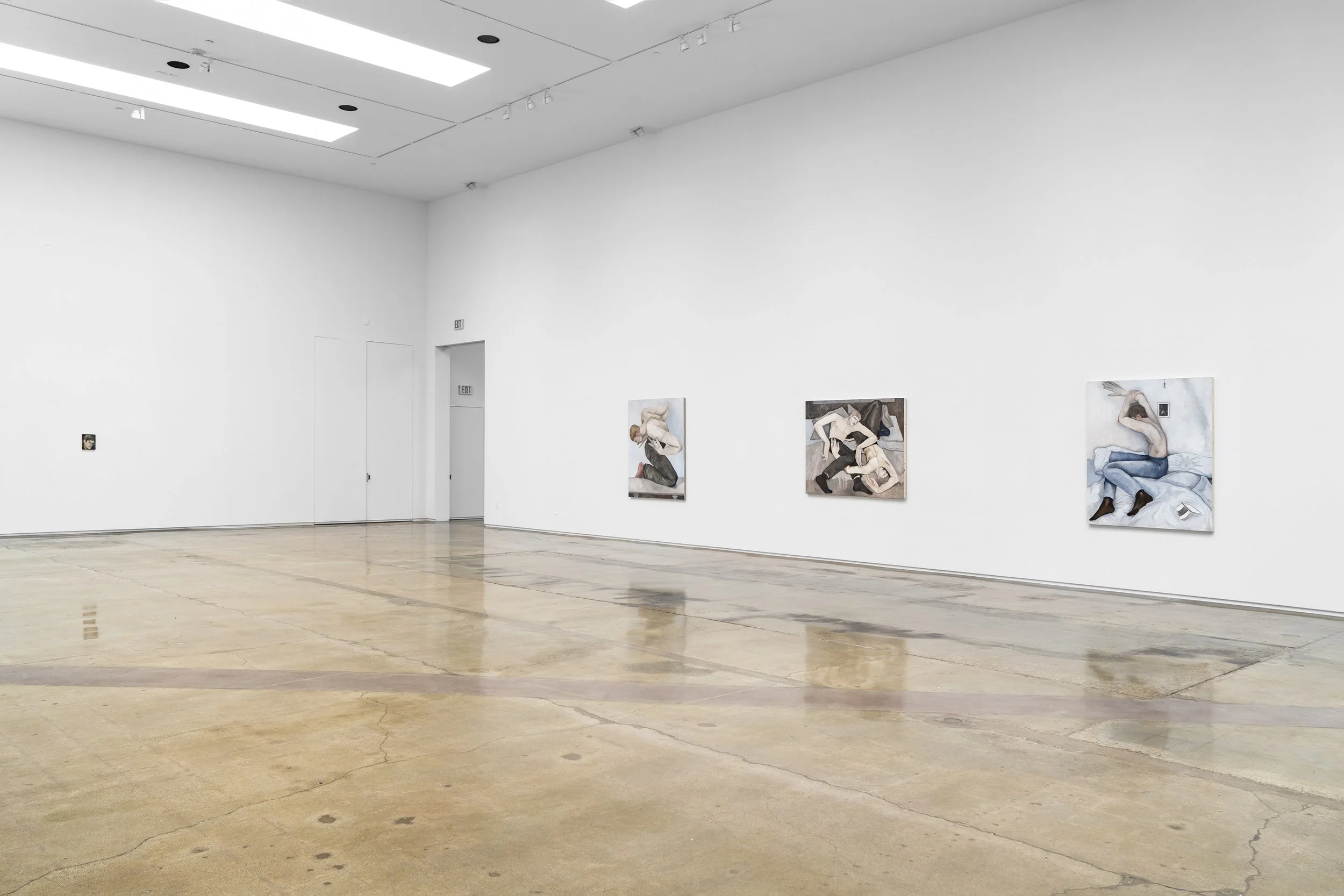
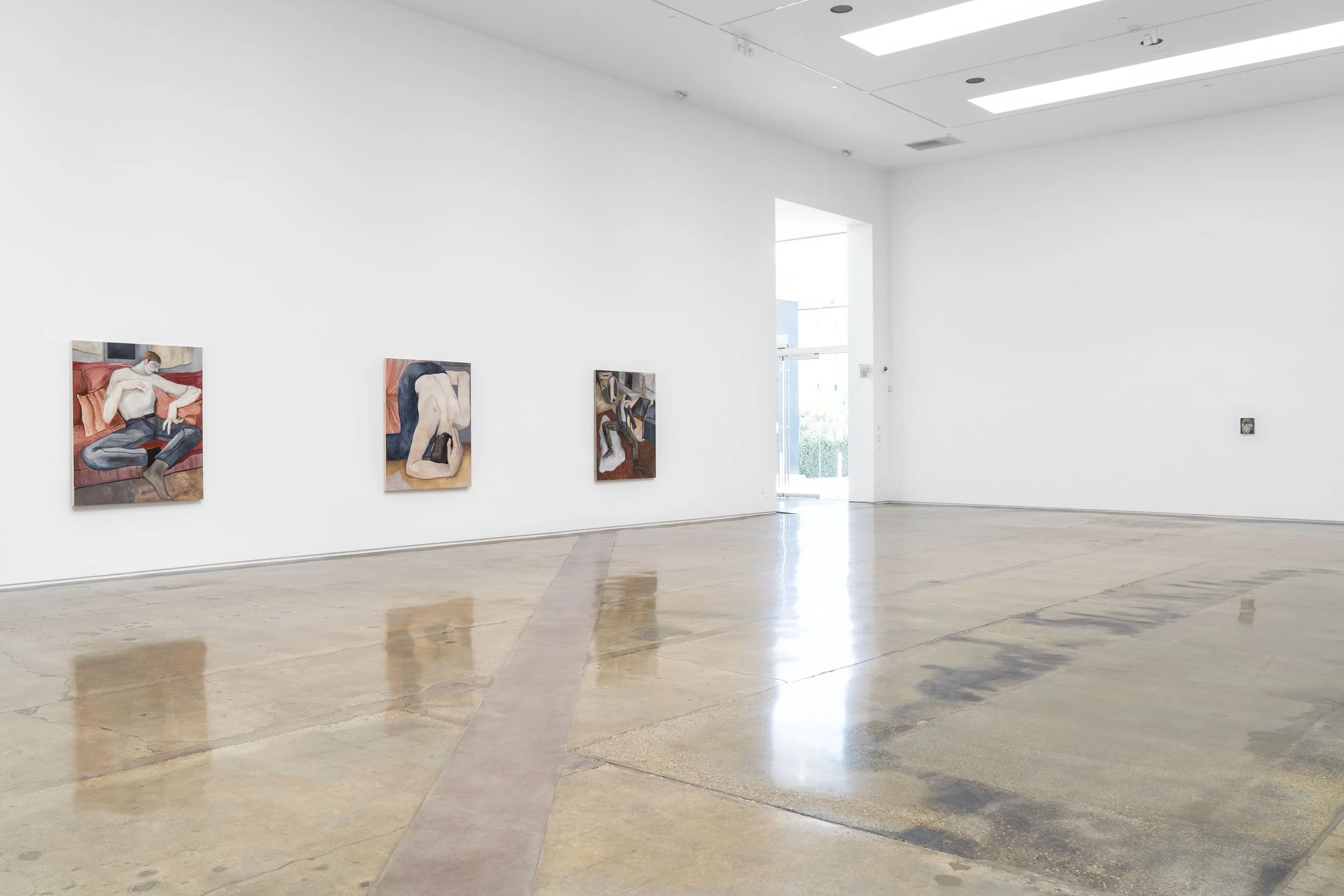
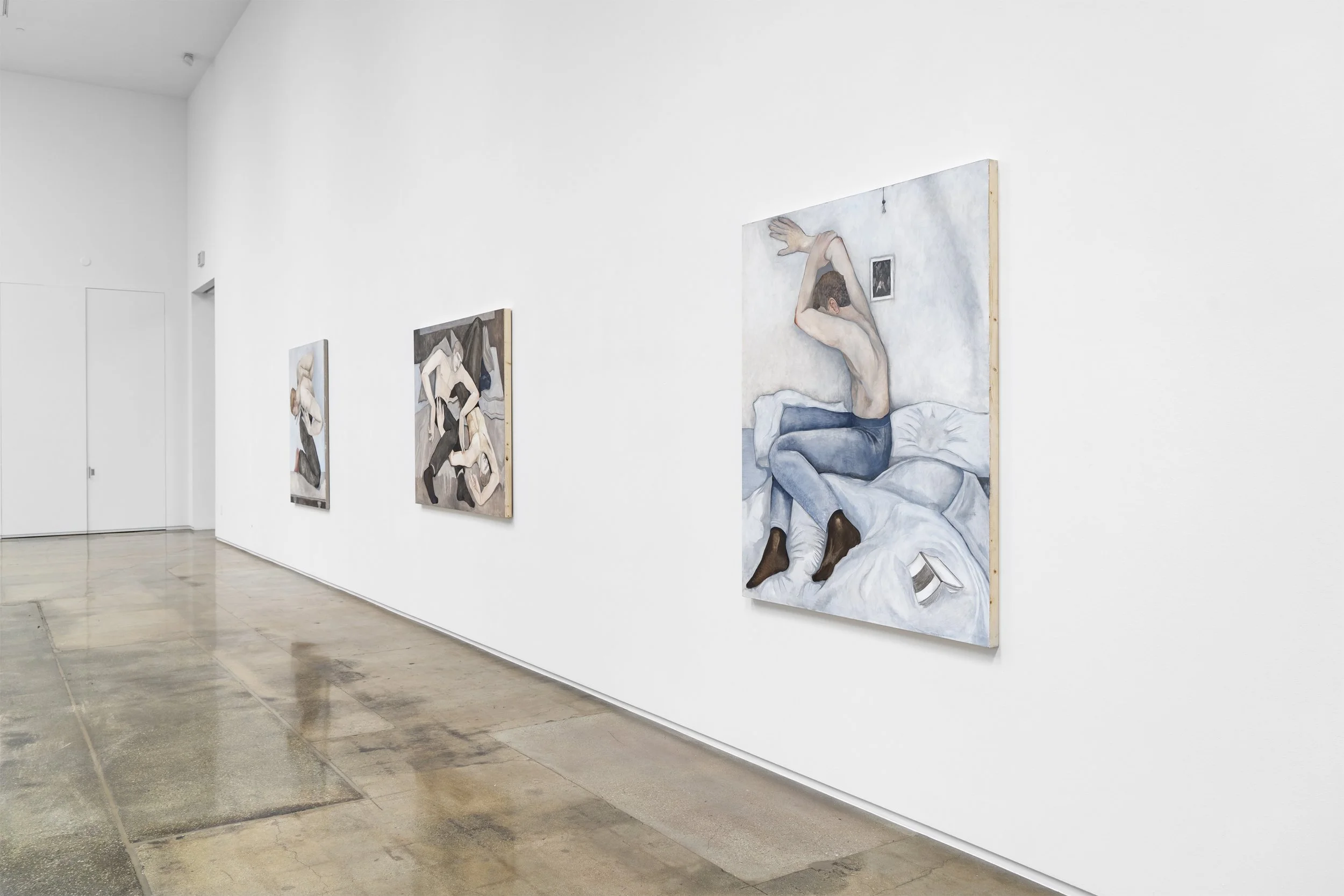
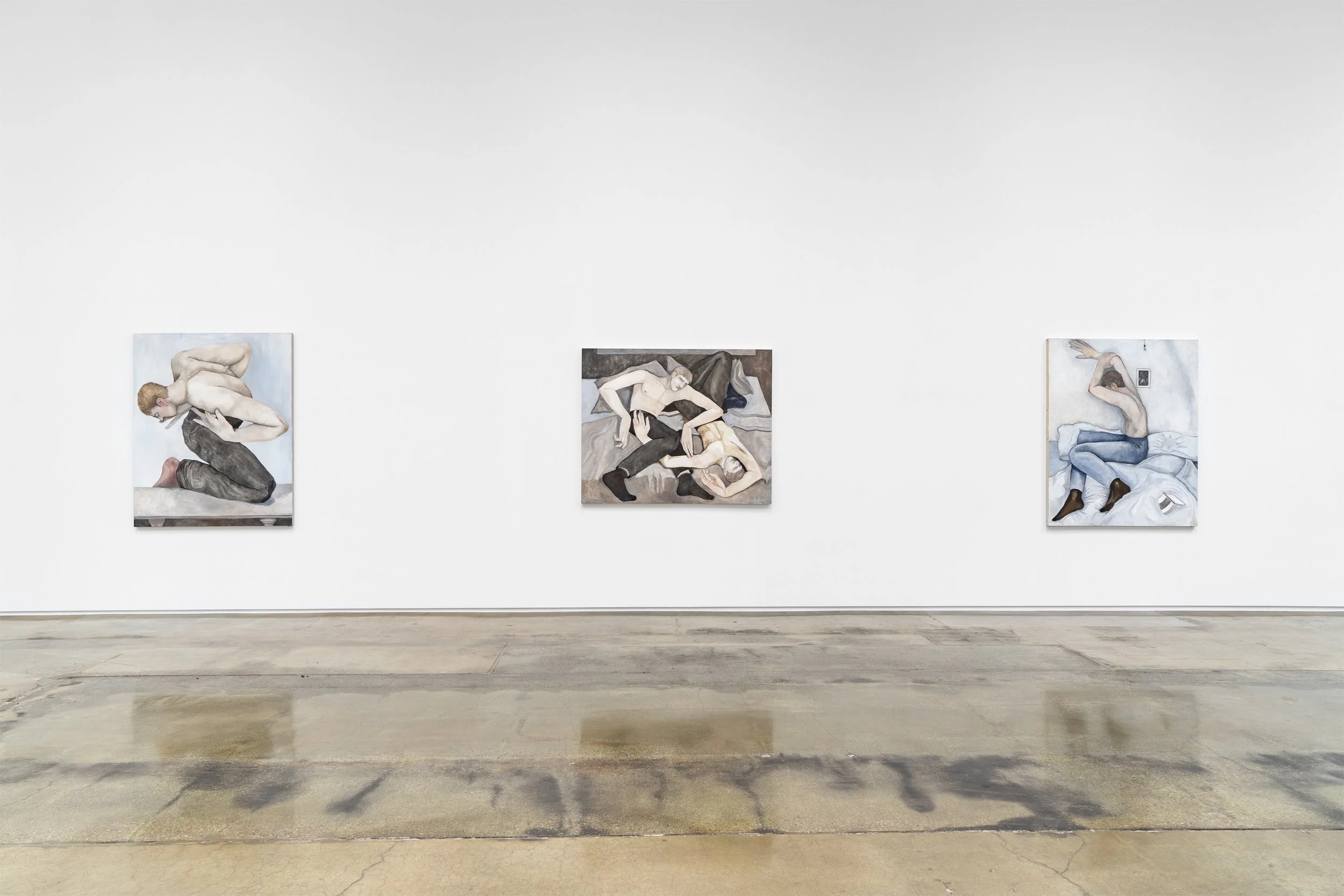
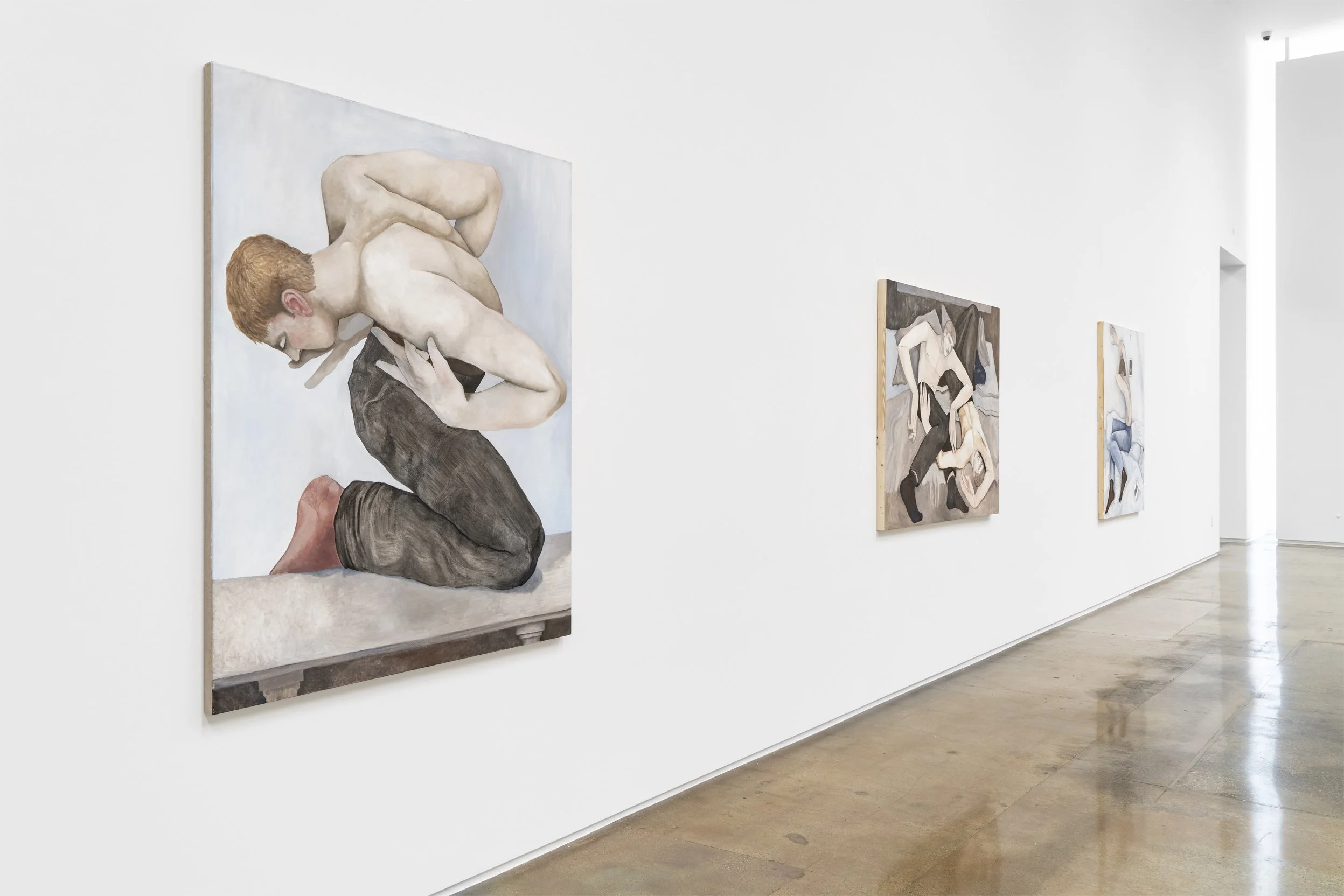
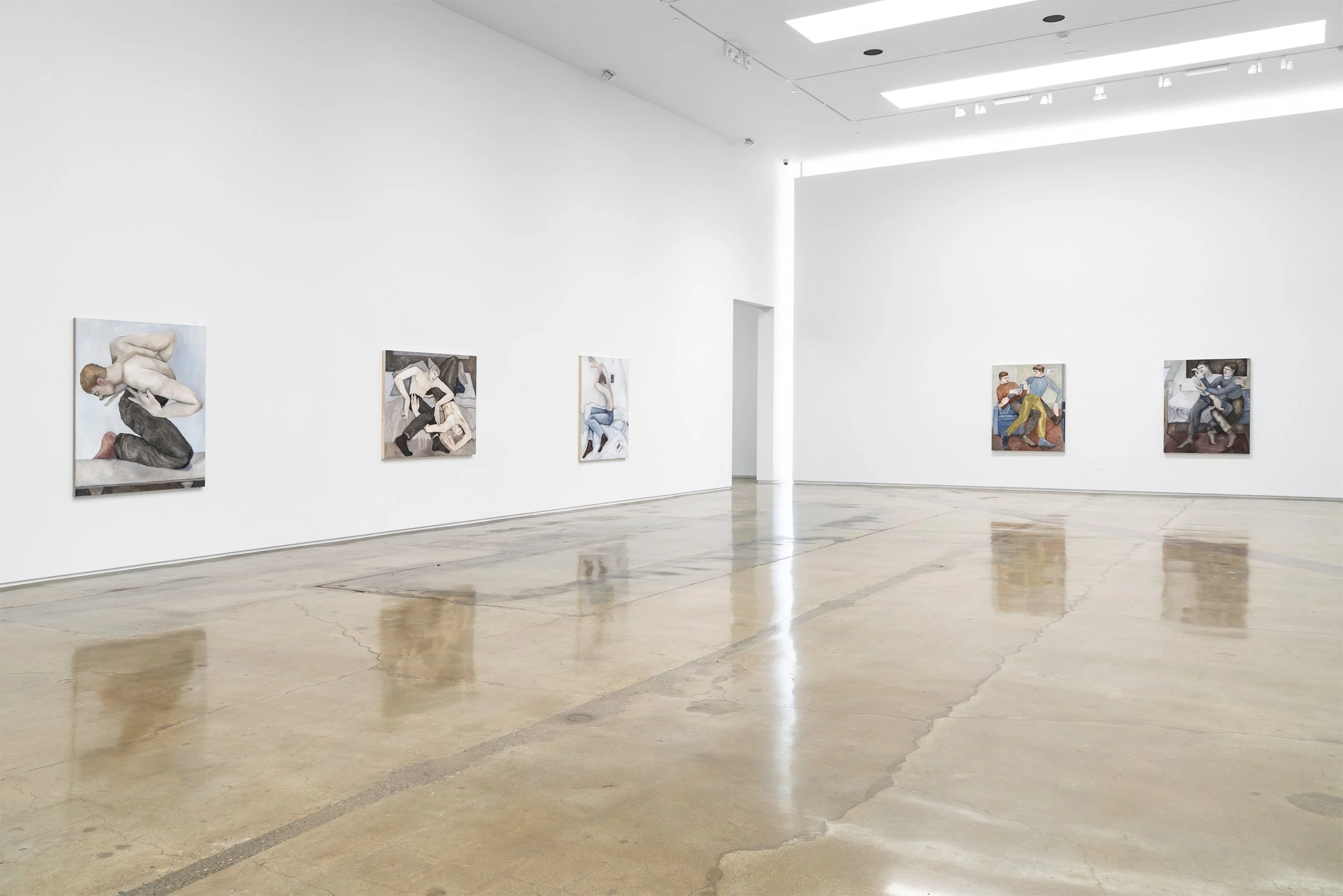
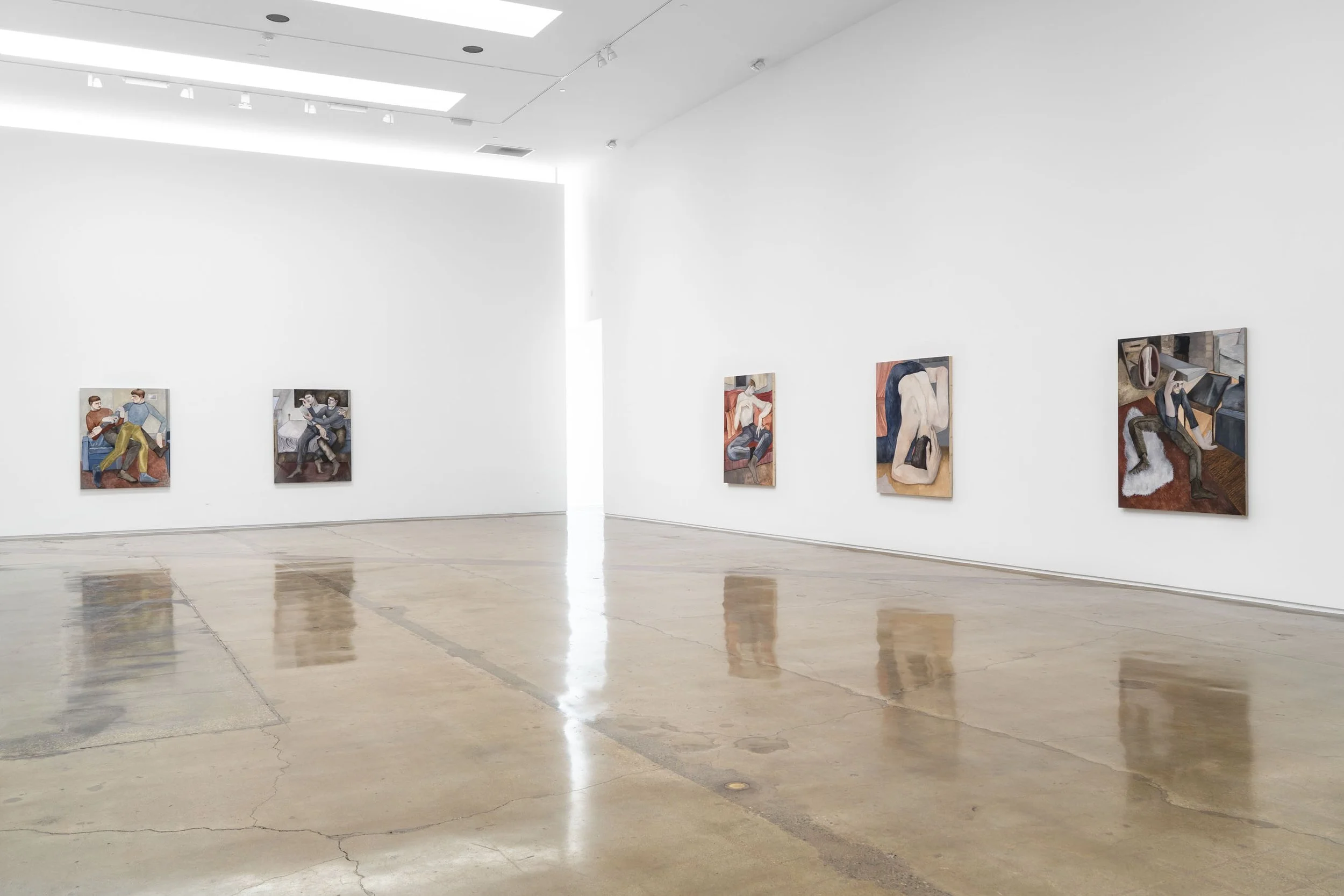
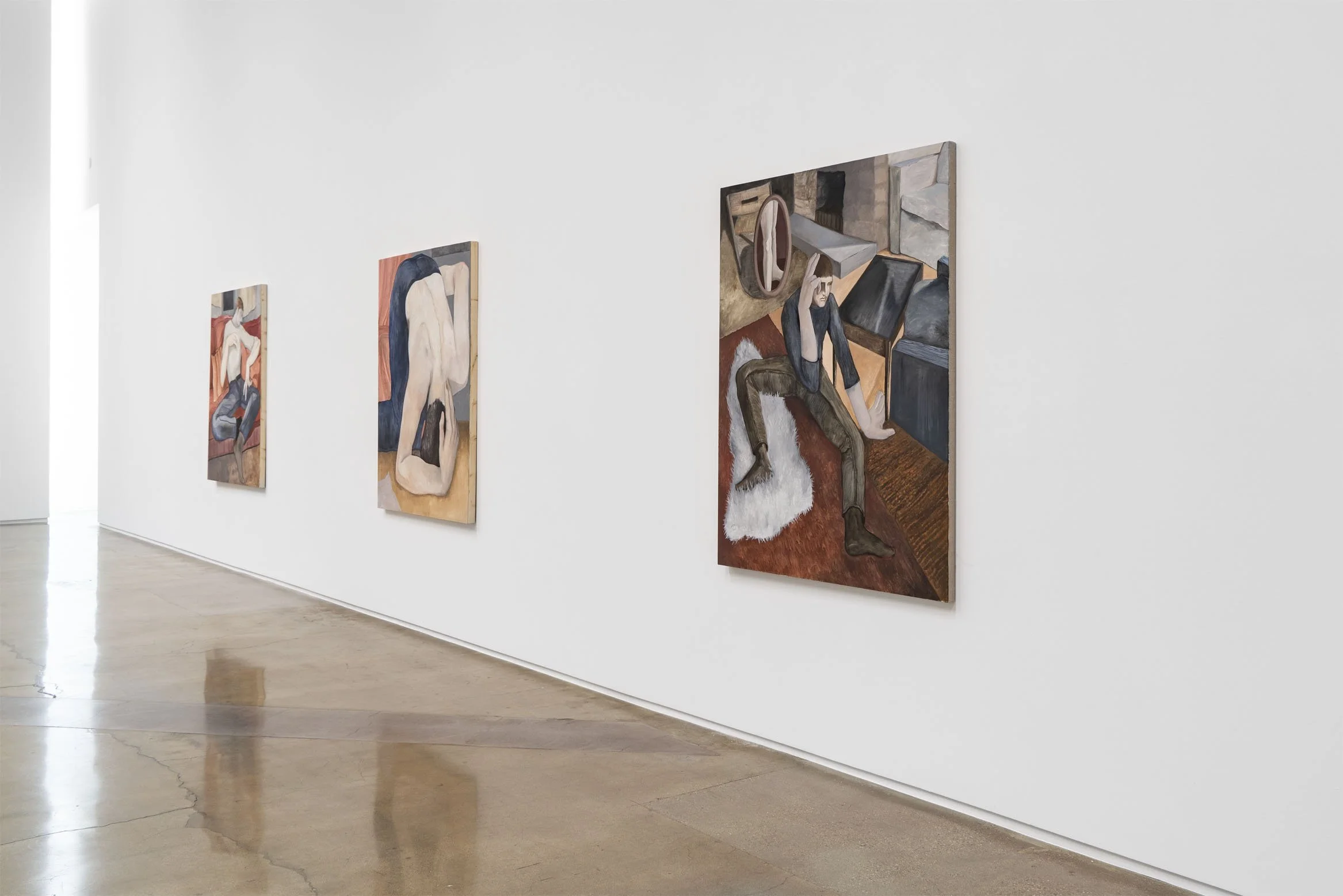
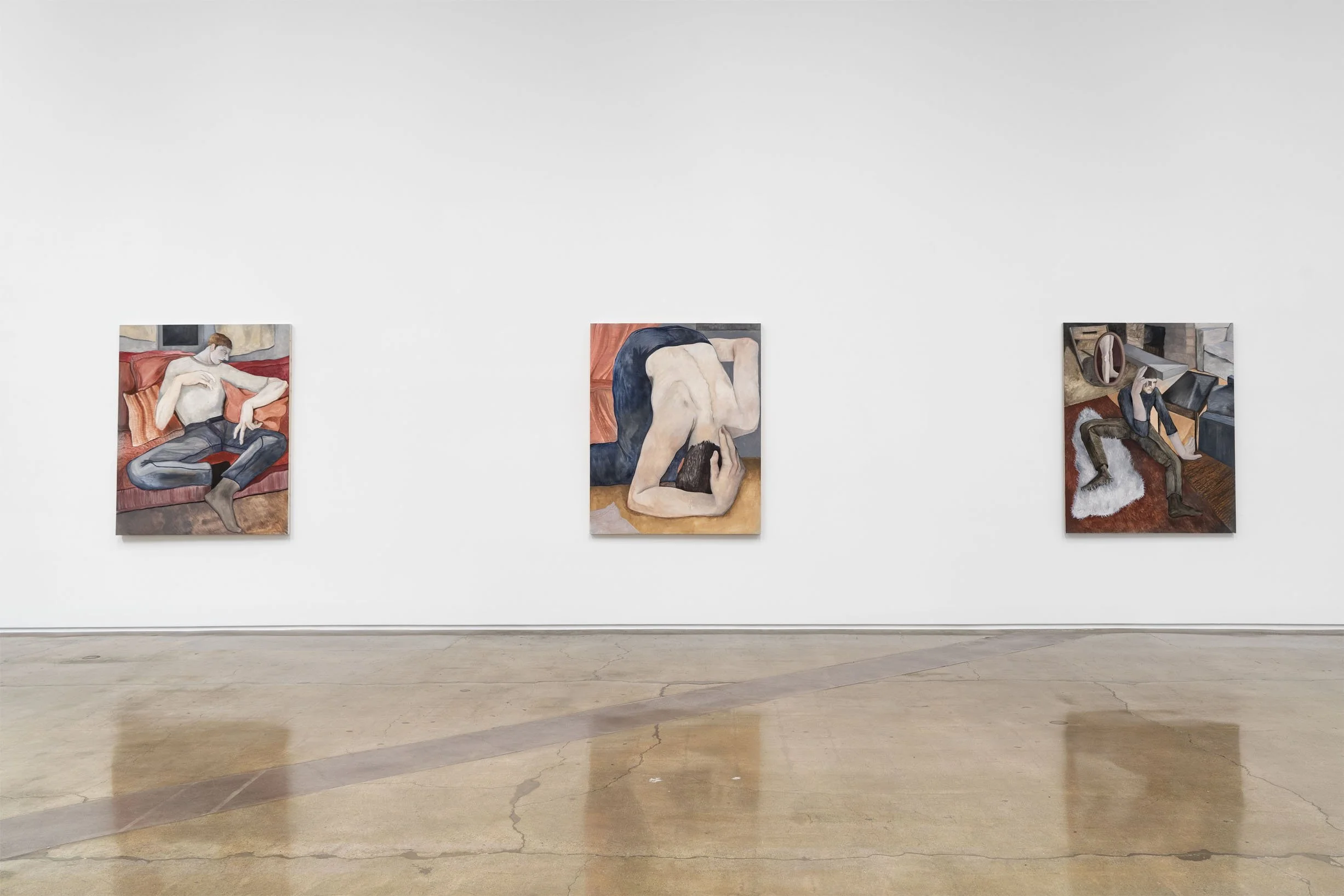
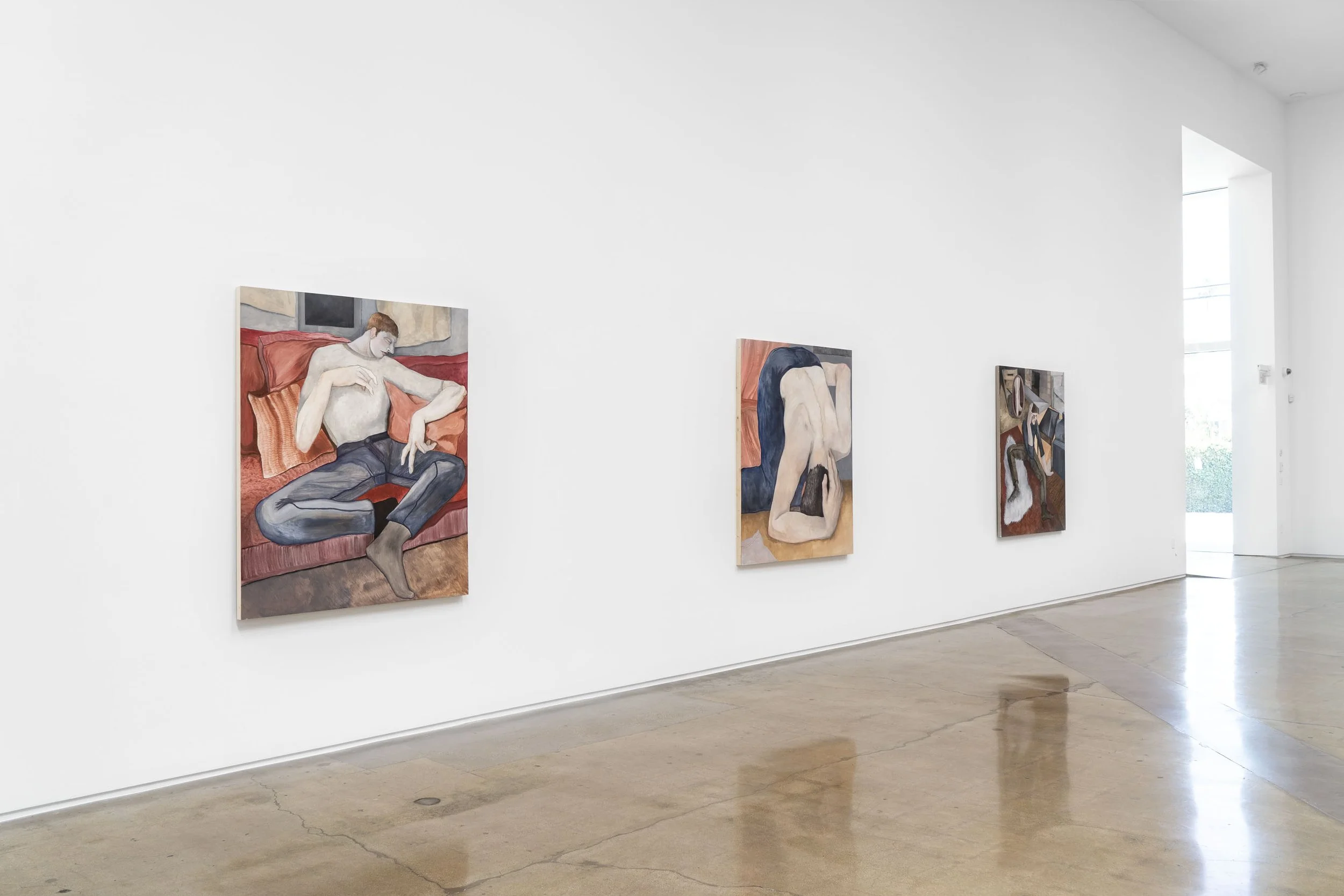
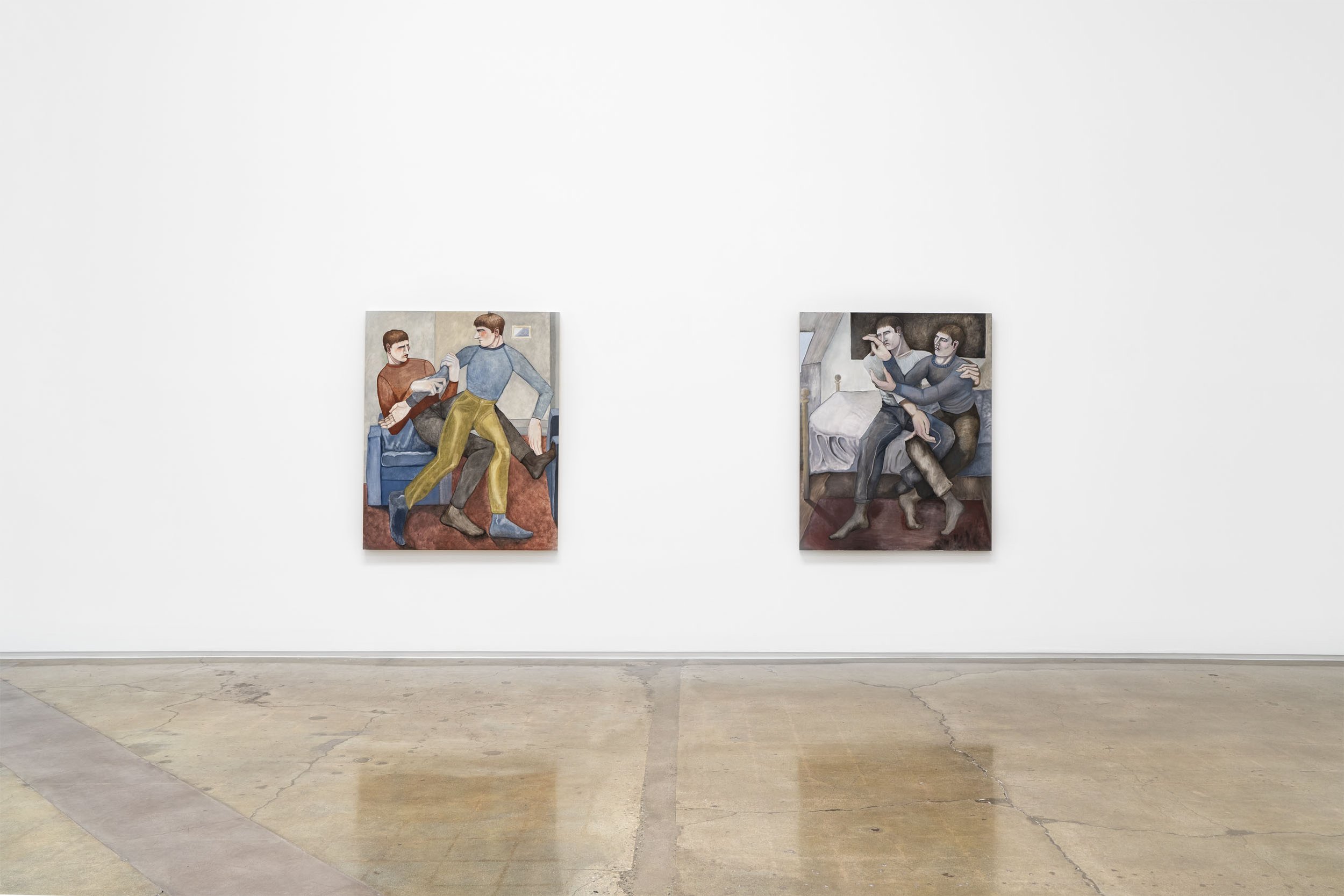
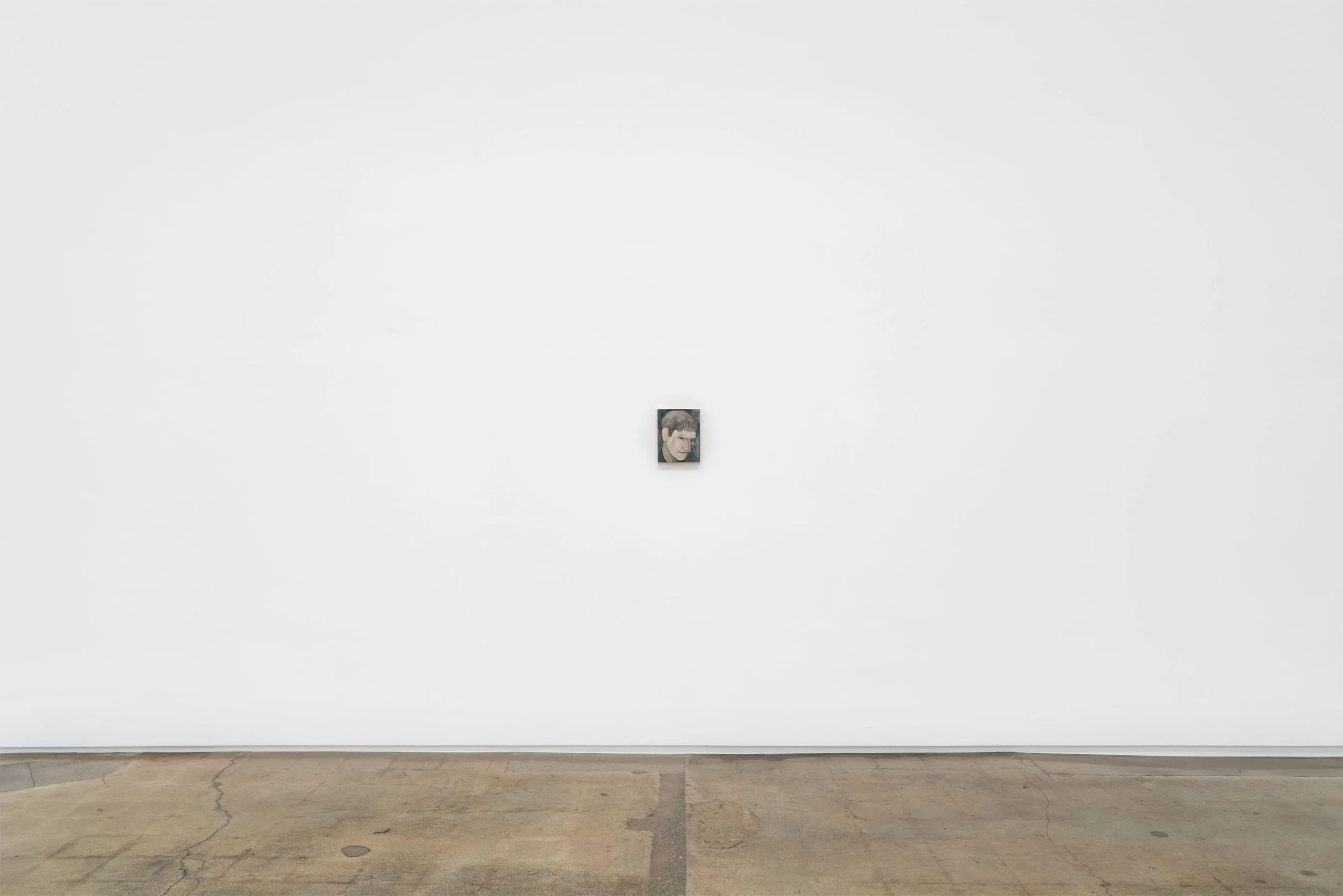
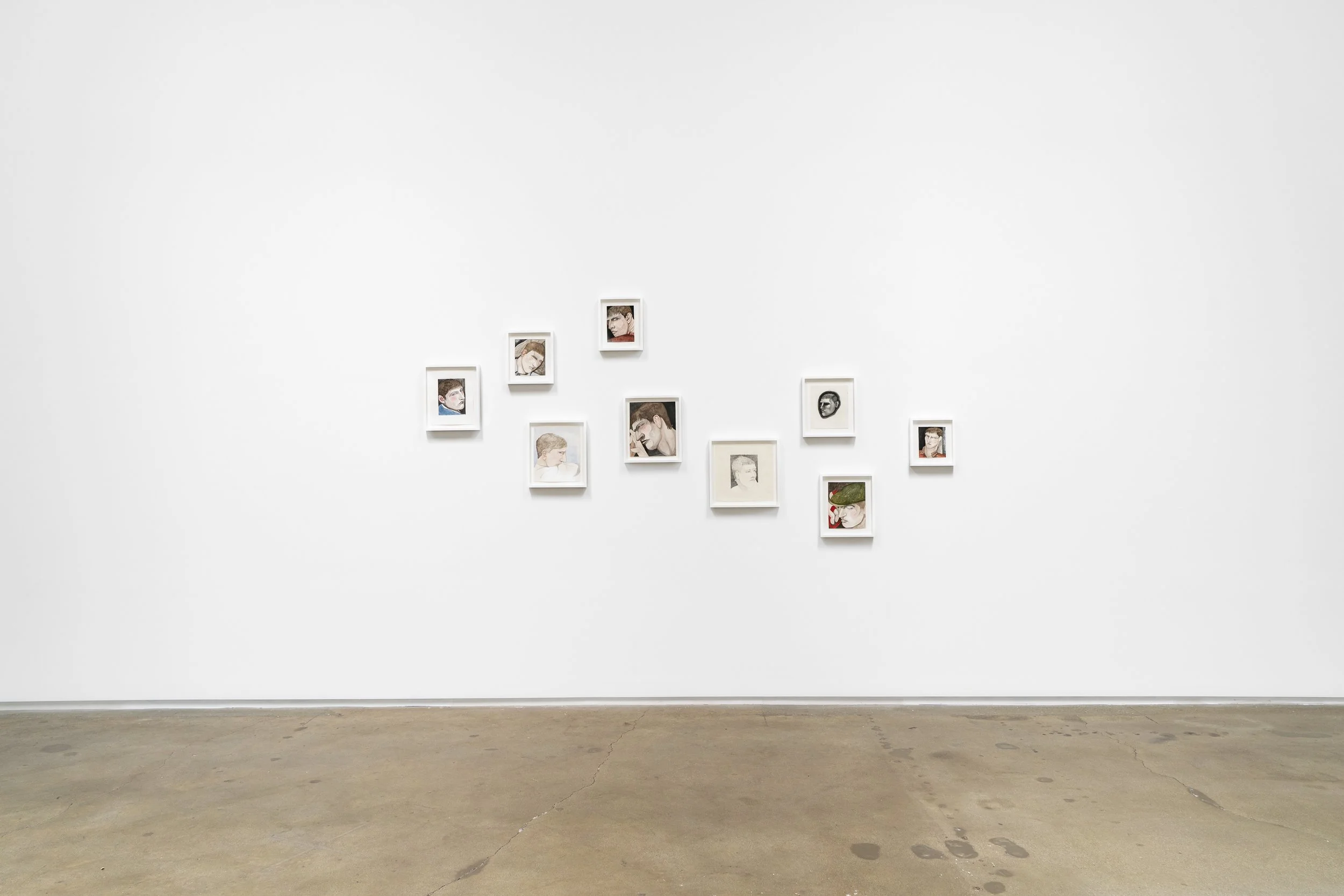
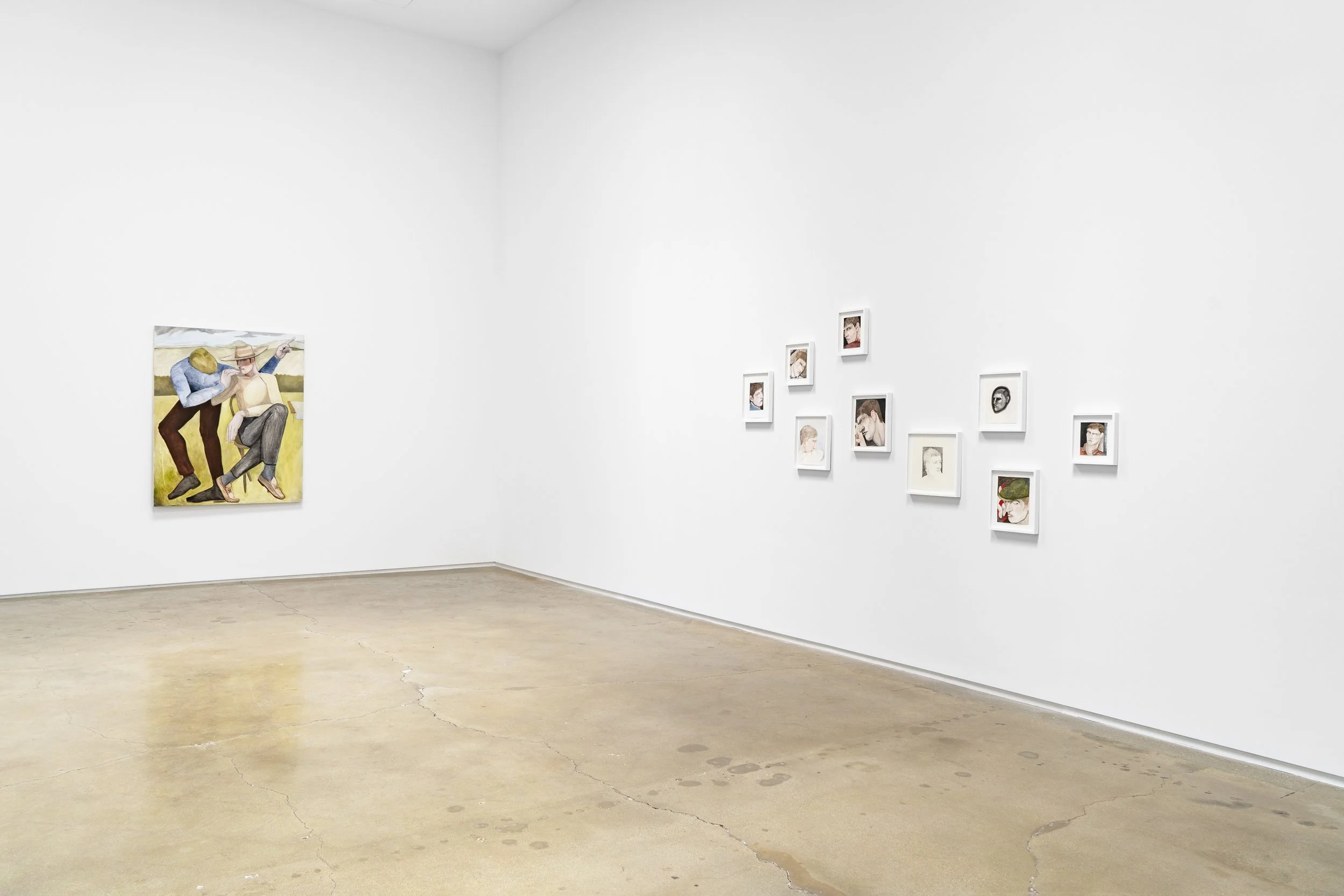
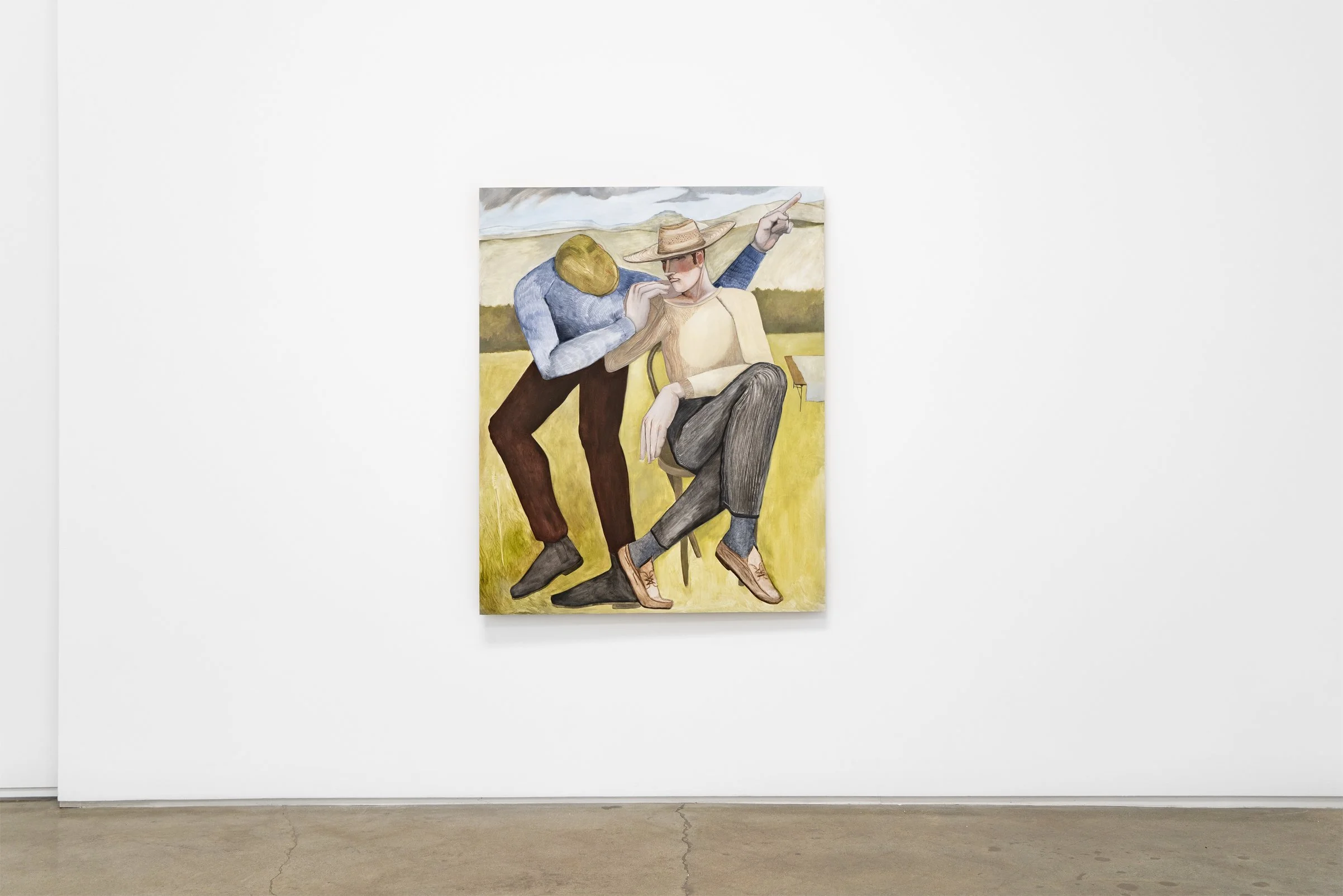
Michael Kohn Gallery is pleased to present Was It Ever Fair., an exhibition of new paintings by British artist, William Brickel. For his second solo exhibition with the gallery, Brickel presents a group of large-scale paintings and works on paper. The exhibition will be on view from January 20 through March 2, 2024.
In some ways all figurative work owes a debt to art history. Brickel’s paintings follow an illustrious path, from William Blake to the Pre-Raphaelites, to Stanley Spencer and Lucian Freud, as well as the rich tradition of English figuration. Yet, Brickel’s paintings have also been characterized as Mannerist, with figures in impossible contortions, sharing a 16th century sensibility derived from Italian artists like Pontormo and Giorgio Vasari. The strongest contemporary figurative painting distinguishes itself from the past as seen in the paintings of William Brickel.
In Was It Ever Fair., Brickel continues the depiction of himself as an everyman. He is both the closely personal subject of his painting, and a symbol of anonymity. The figure is markedly introspective and hard to decipher, but presented front and center on the canvas. Posed both in the interior and conversely in the outdoors, the figure is at ease yet cast in a highly unlikely position. When multi-figured, Brickel’s personae resemble one another and present questions surrounding the recurrence of identity and its relation to people and the individual self.
Brickel’s subjects roam in environments generated from personal experience and memory. His compositions carry an emotional intensity that unfolds on the canvas through anatomically exaggerated, larger-than-life limbs. Echoing the concerns of 19th century Romantic English painters, Brickel’s figures question human intervention in nature and consider their own unnatural entanglement within it.
In his works on paper, Brickel fills the surface of the picture plane almost entirely with powerful depictions of human faces. The entirety of the human form is truncated, yet the emotive impact is still conveyed through details: a closed eye, a bent arm, a vertiginous perspective. Though smaller in size, Brickel’s colorful drawings share the same psychological weight.
“I feel a sense of awe and belonging when nature finds its way to me untainted,” says Brickel. “This show examines the crossing of the industrial landscape and worked environment. I have chosen to concentrate on the personal within the environmental, how we are part of nature but we repeatedly scare it, and this makes its way into my paintings.”
The subtle and beautiful complexity of William Brickel’s paintings, both in subject matter and painterly prowess, identify Brickel as an important new voice in figurative painting.