
Charles Arnoldi
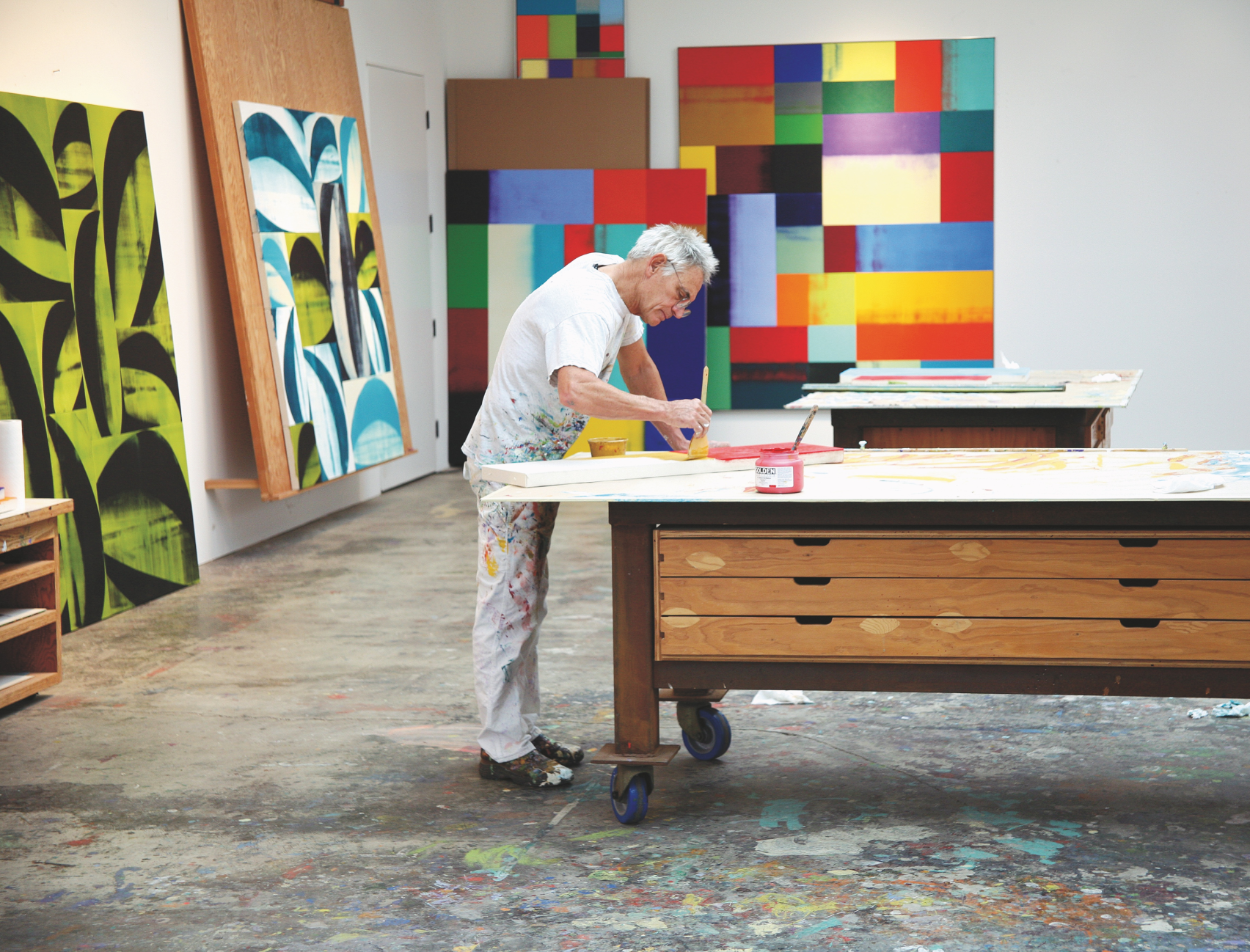
“It doesn’t matter how harebrained an idea is. If I get an idea, I just do it.”
— Charles Arnoldi
Selected Works
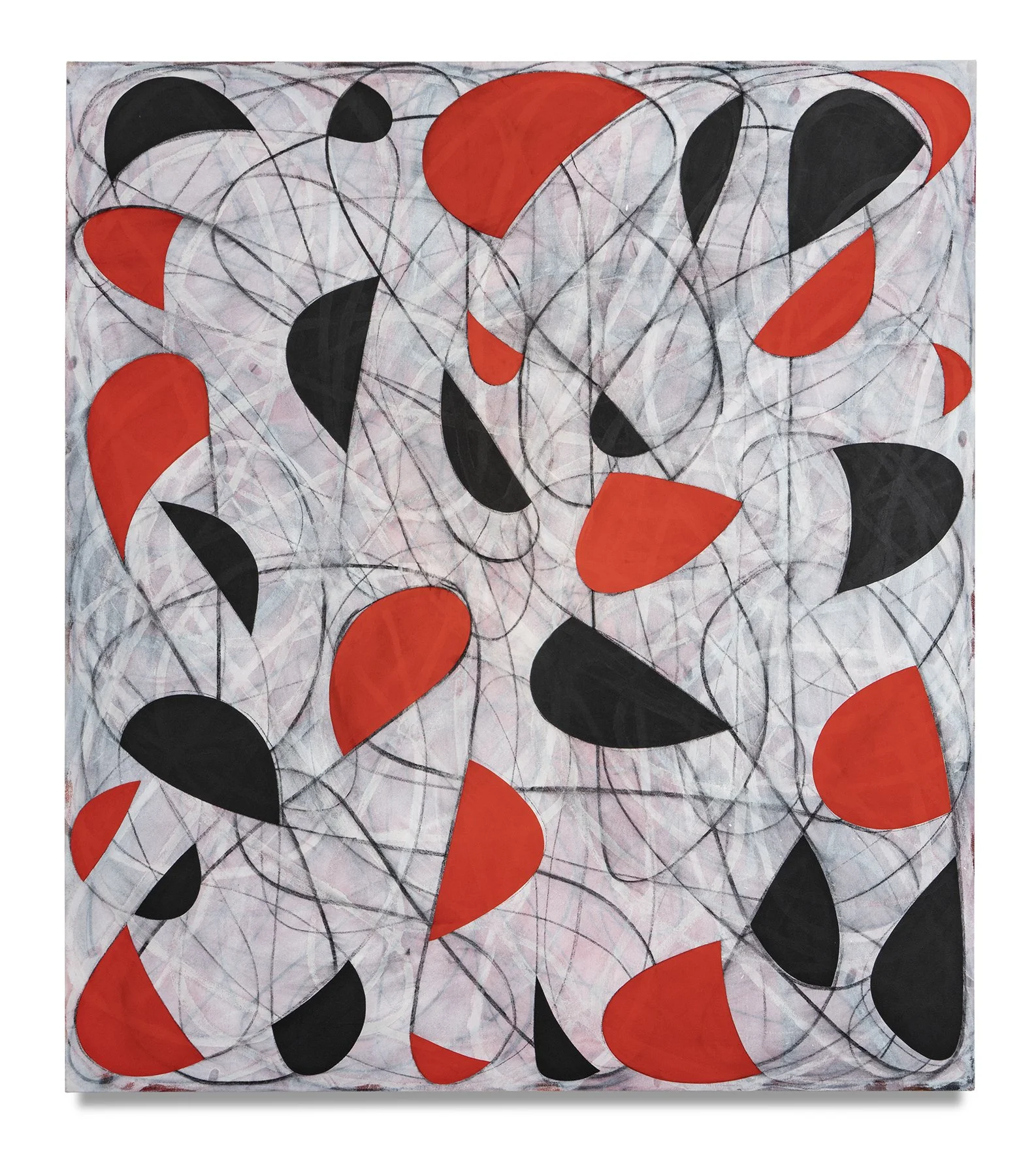
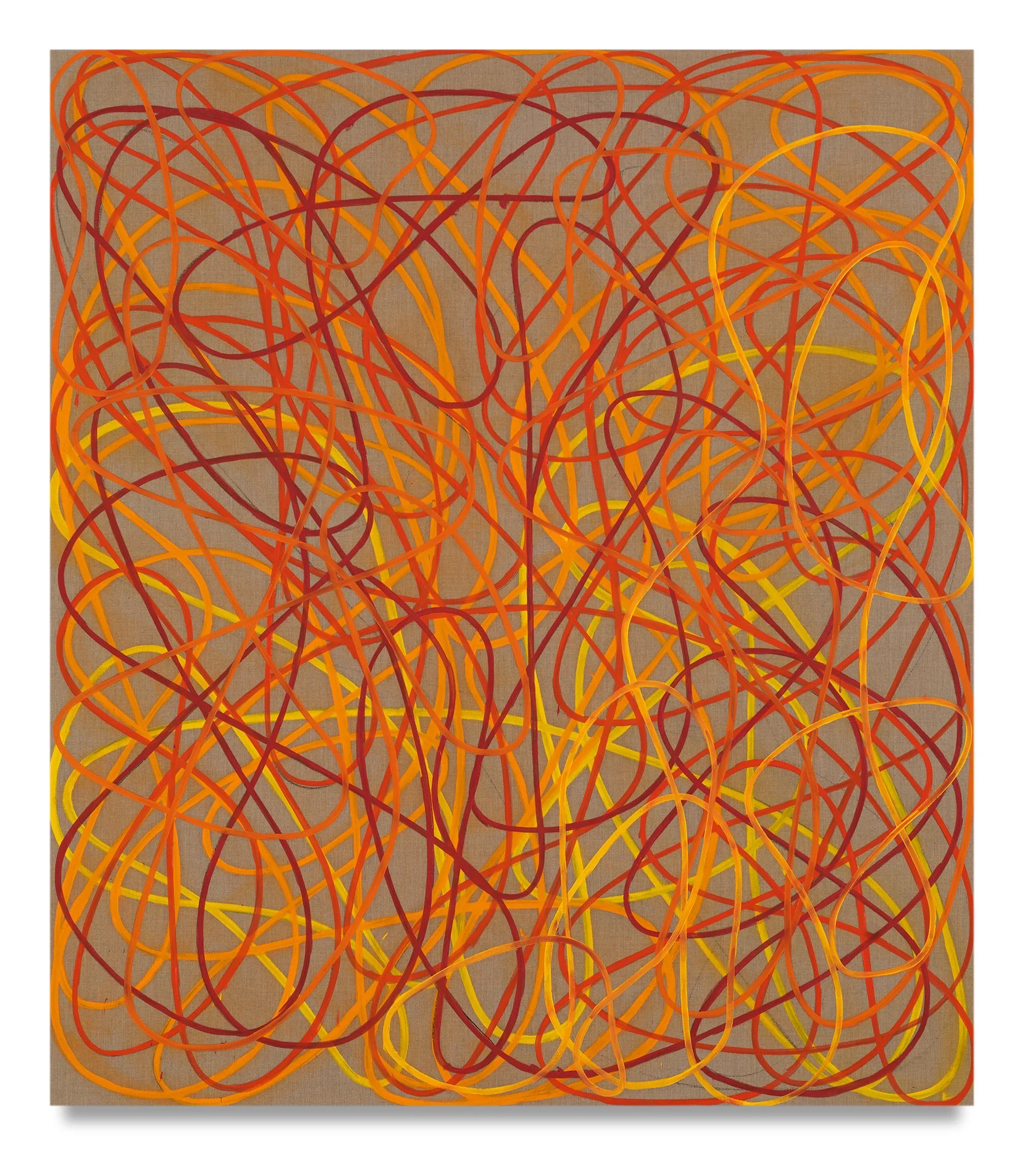
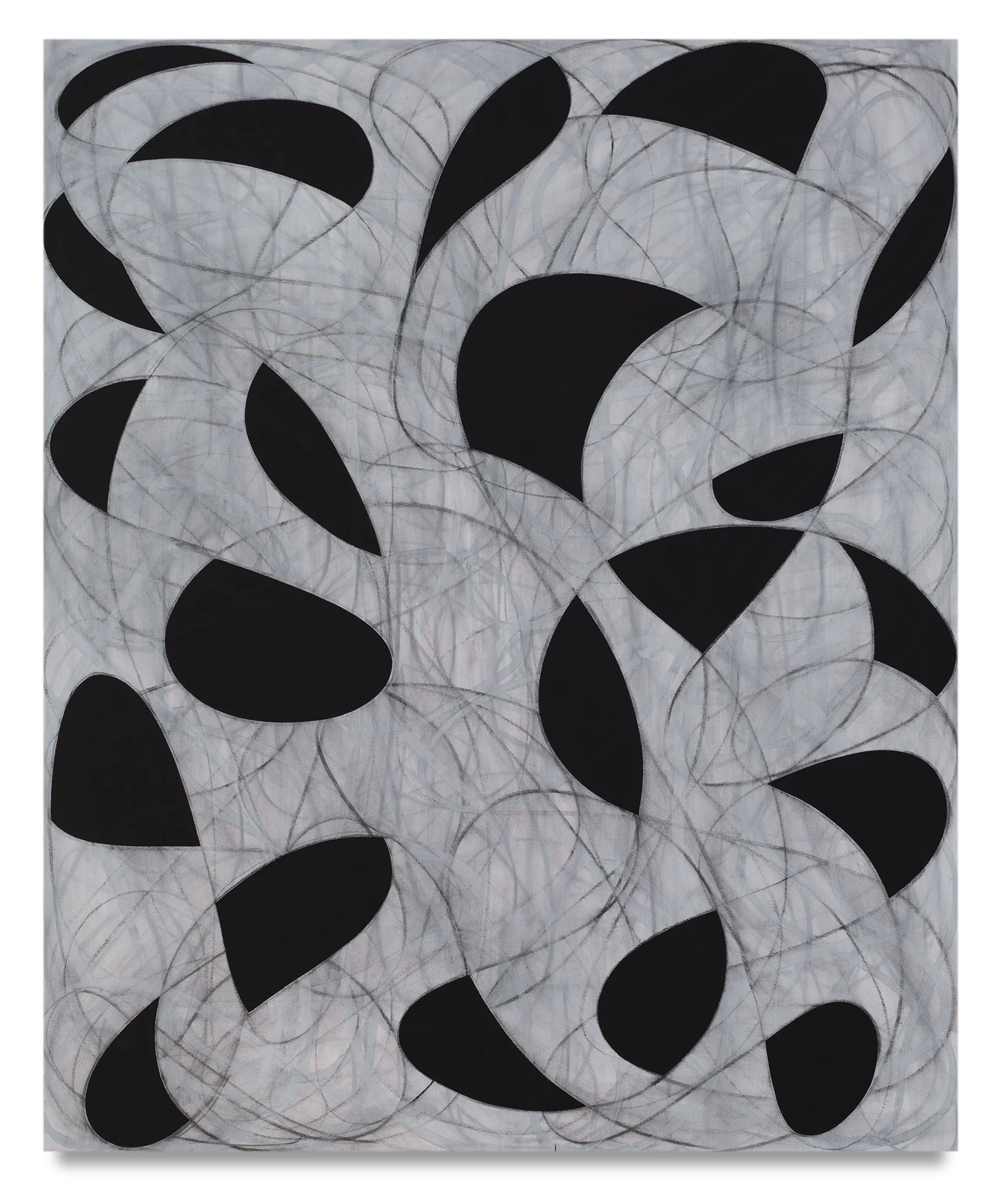
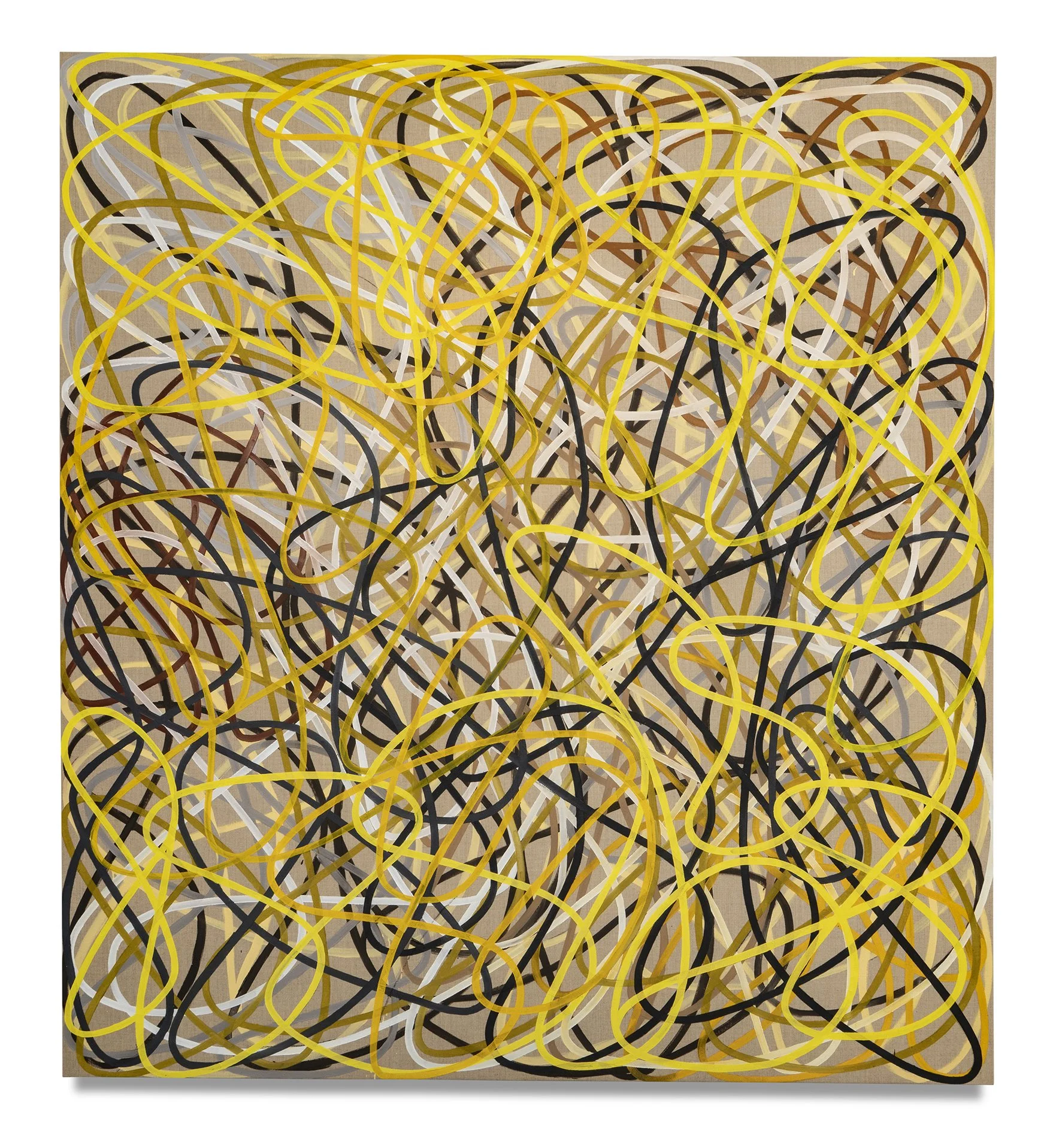
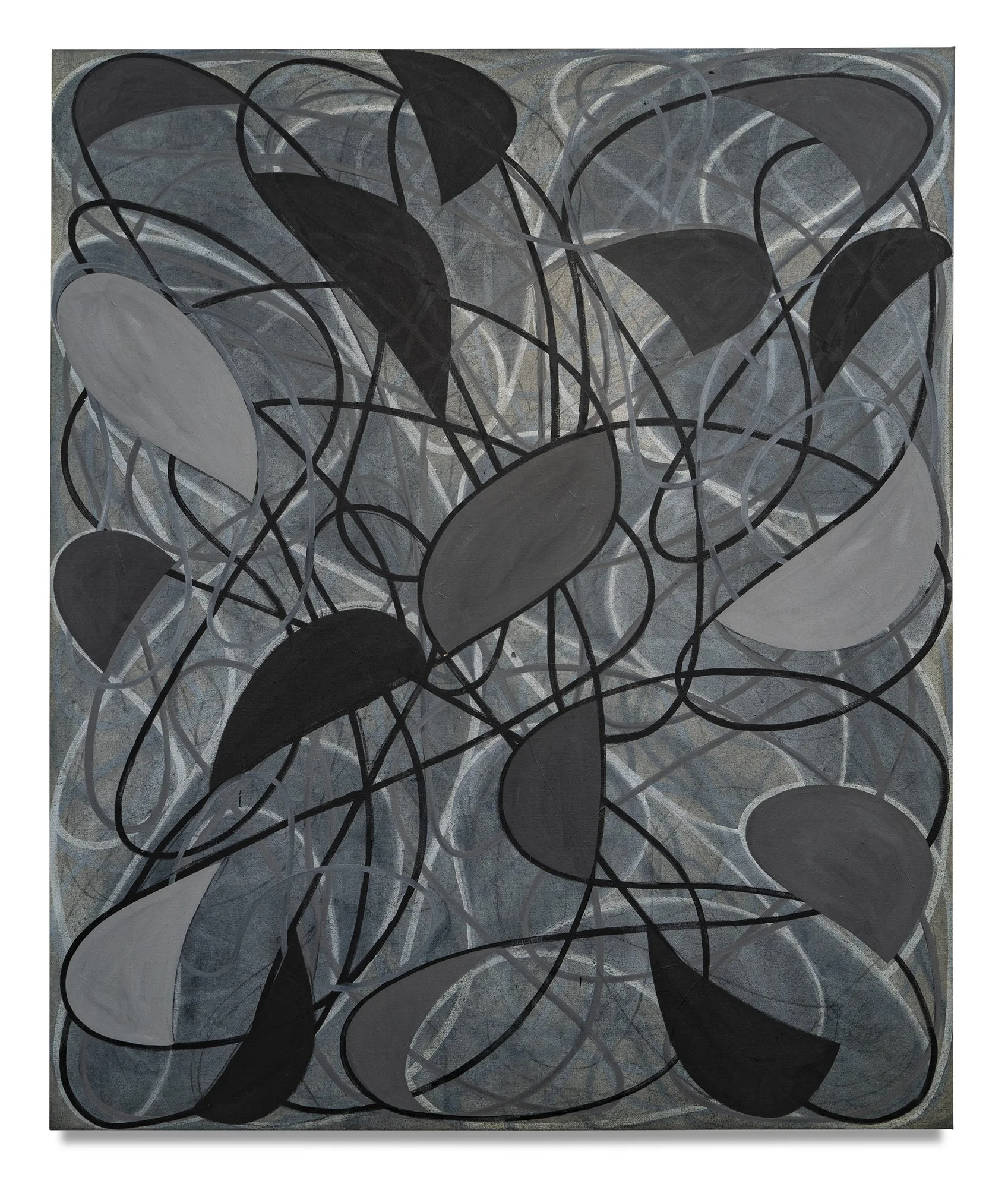
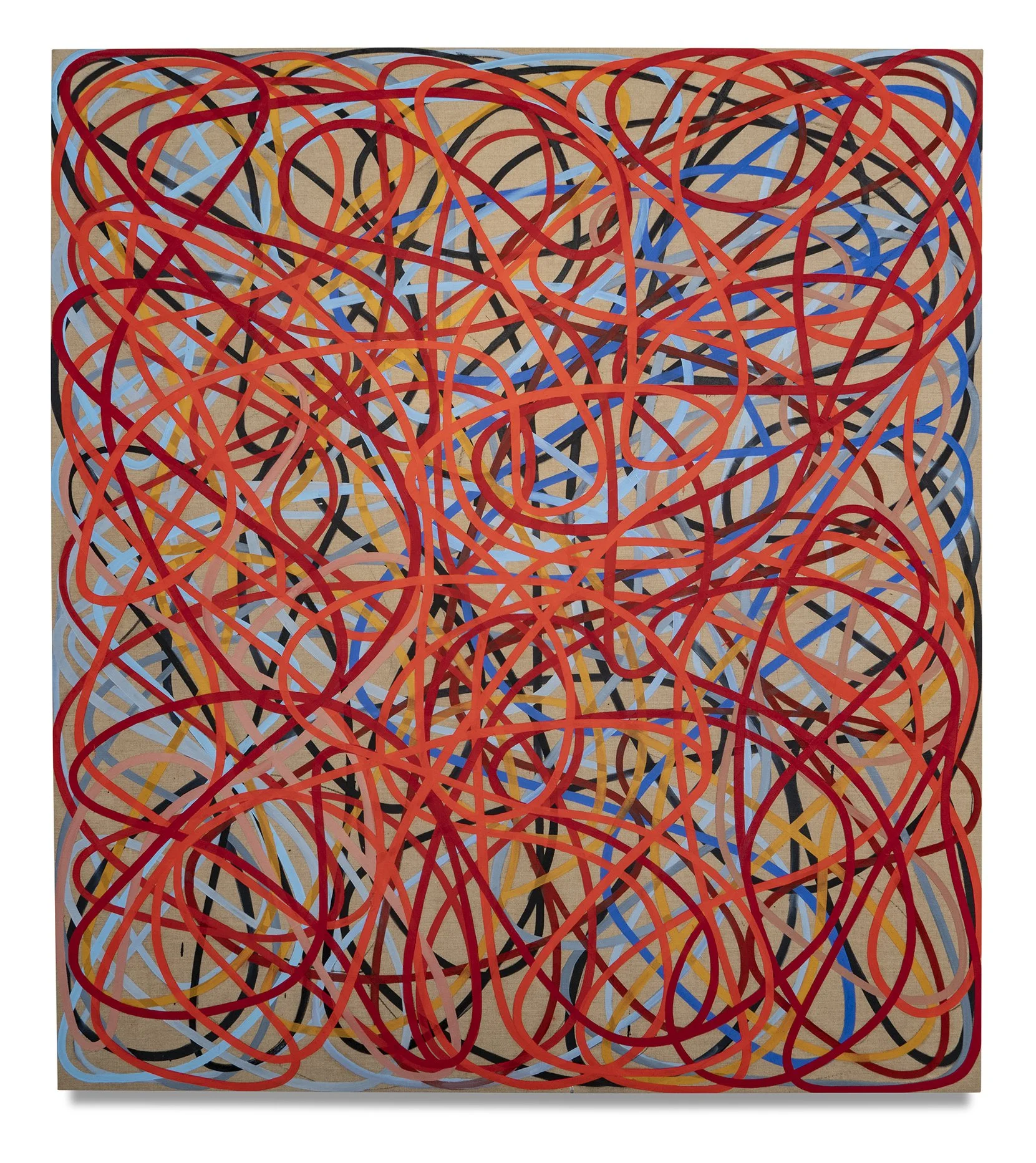
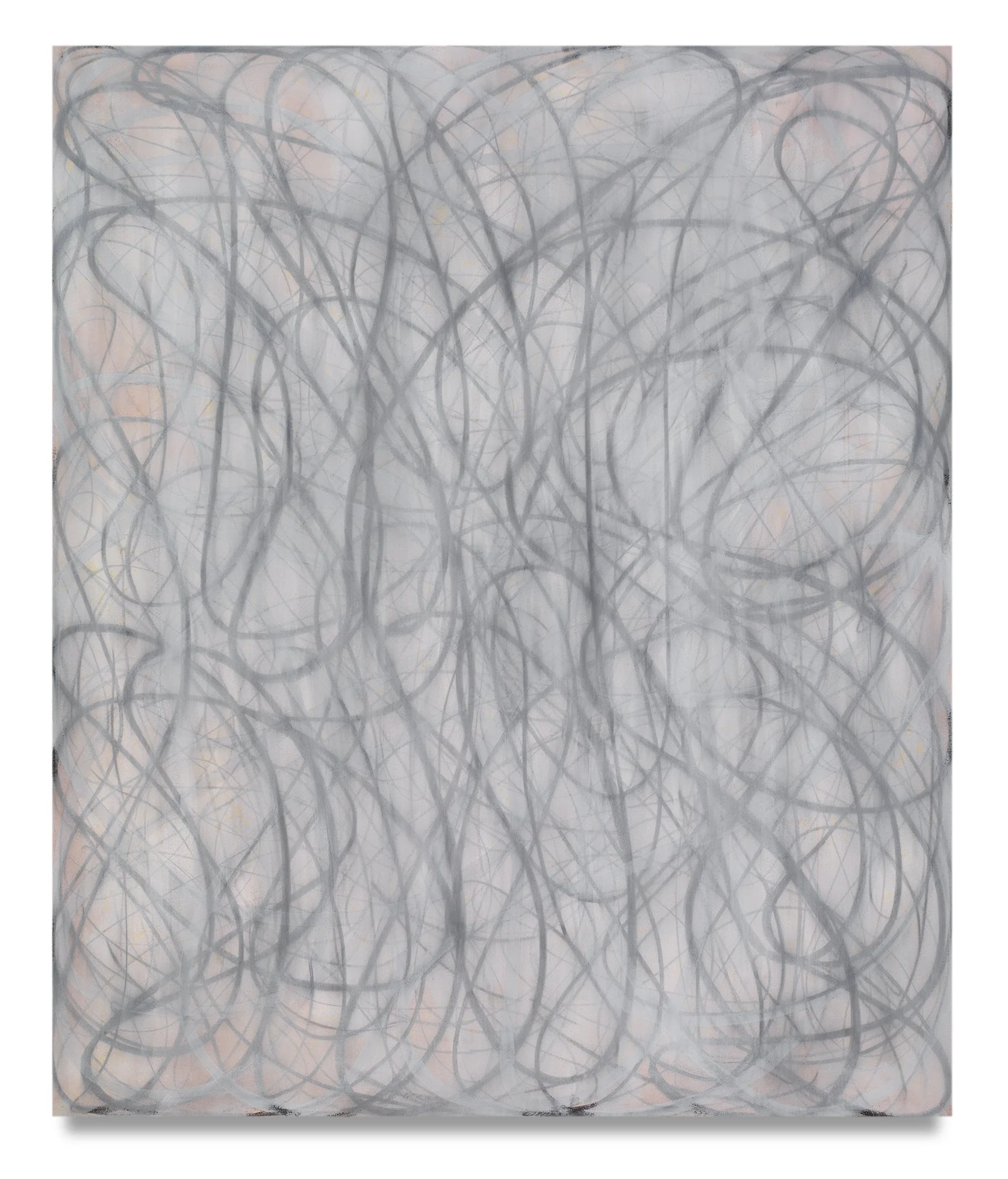
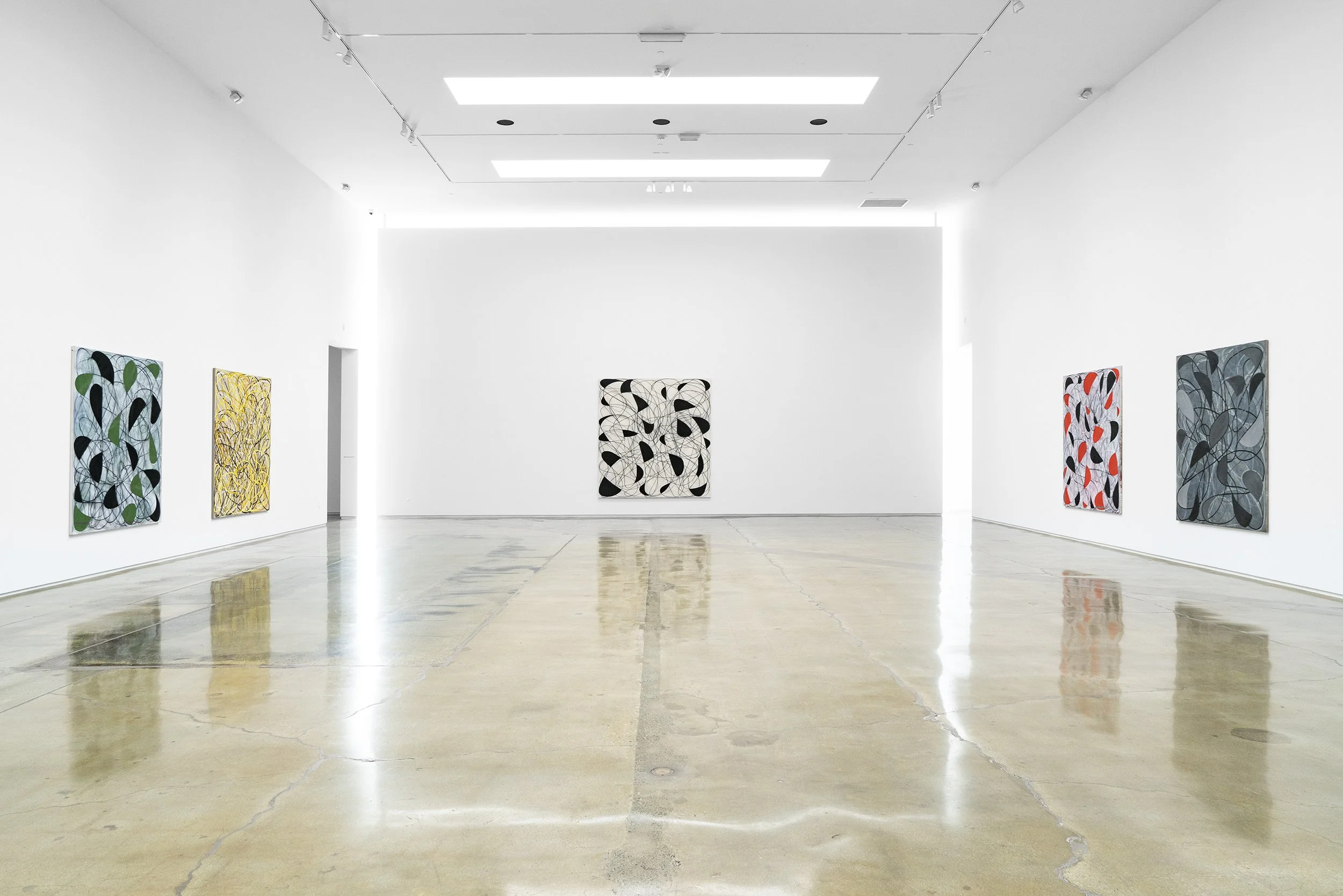
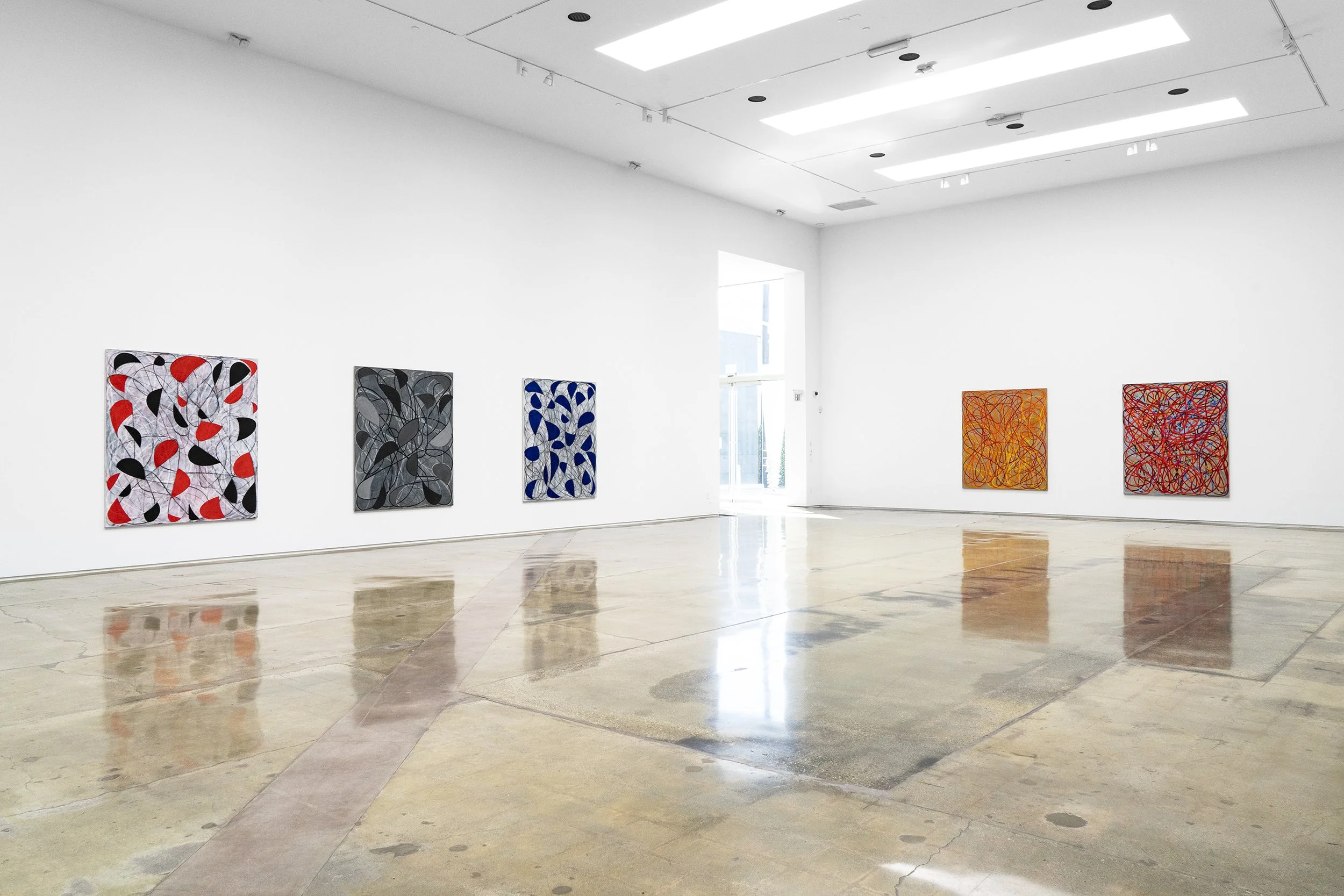
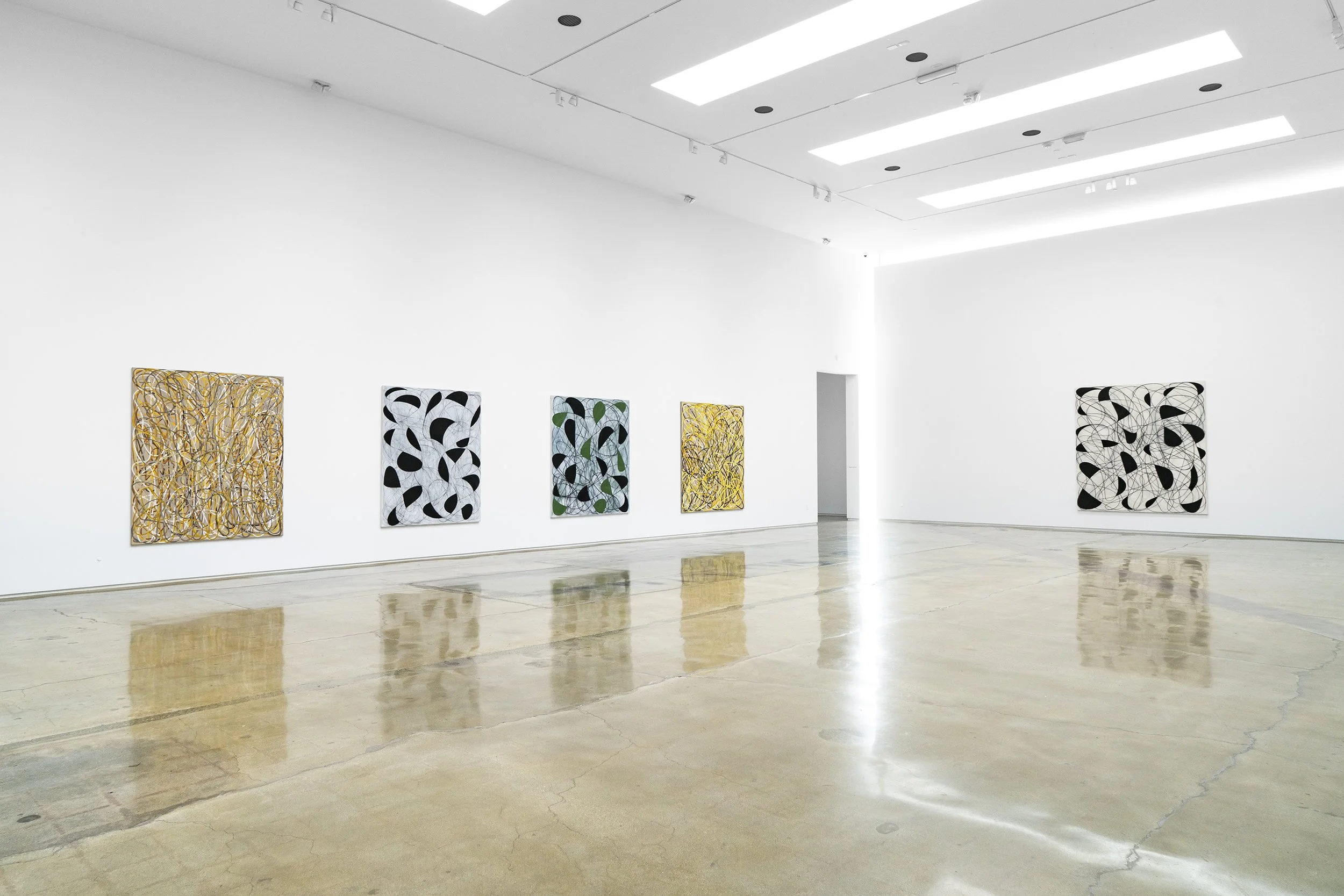
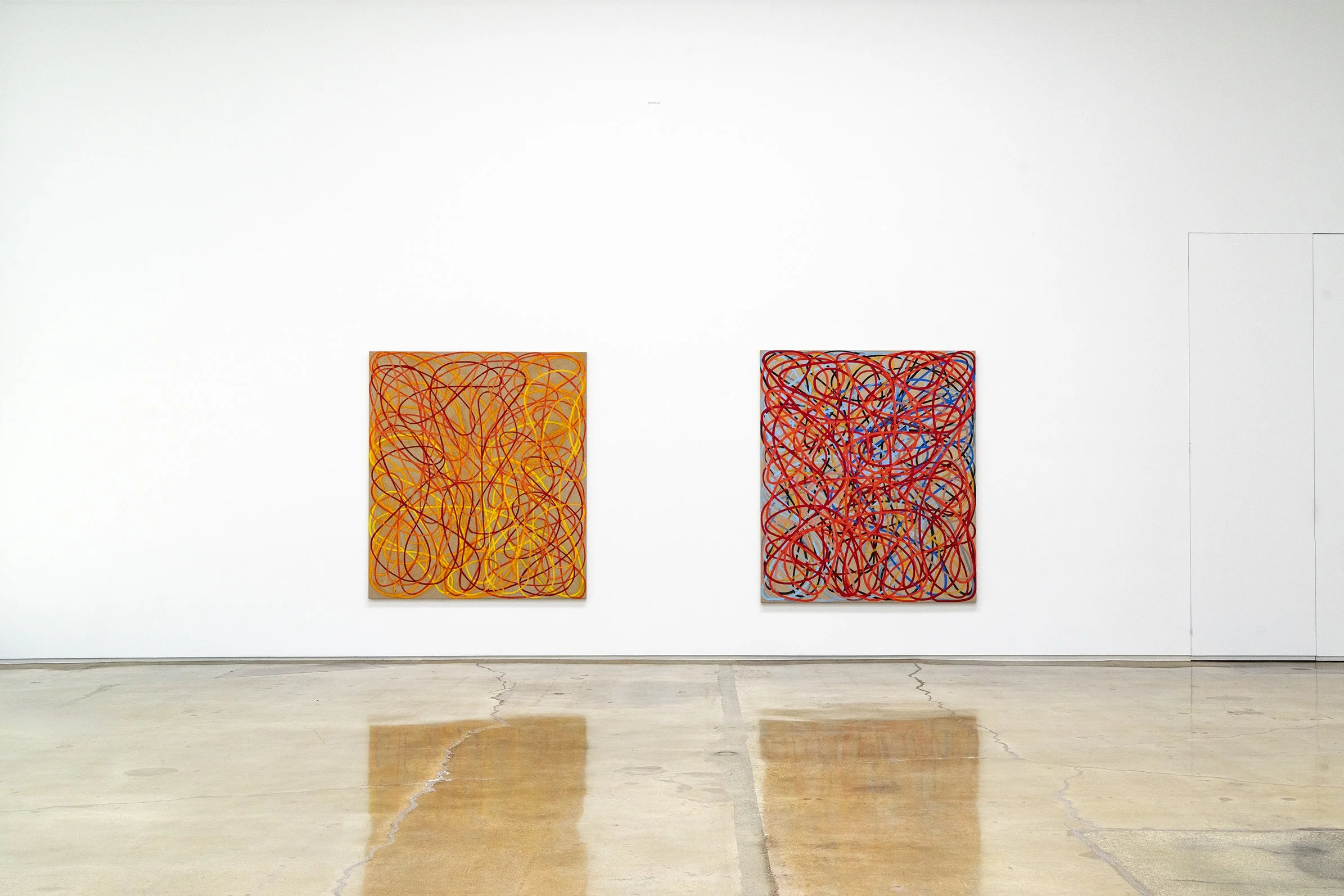
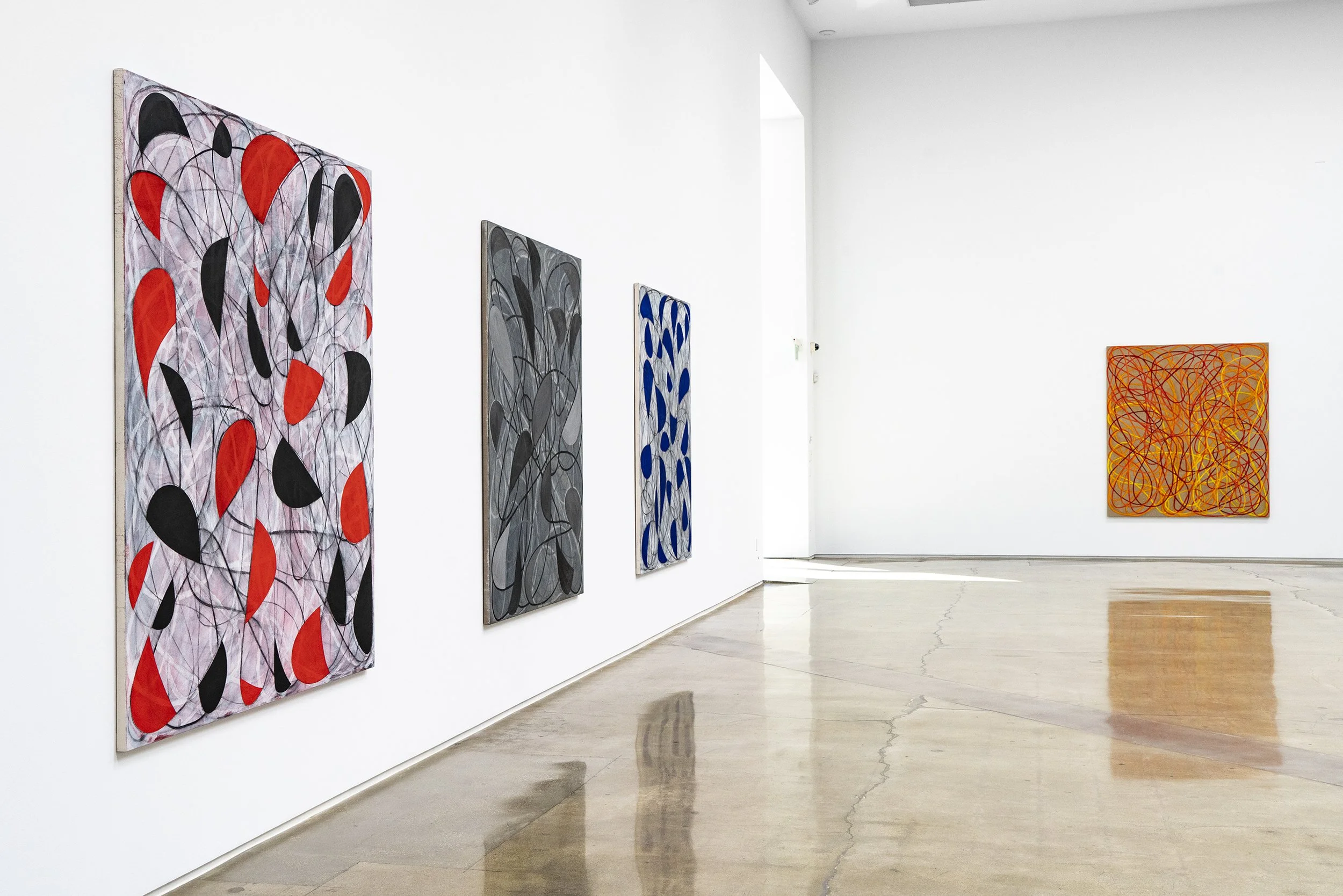
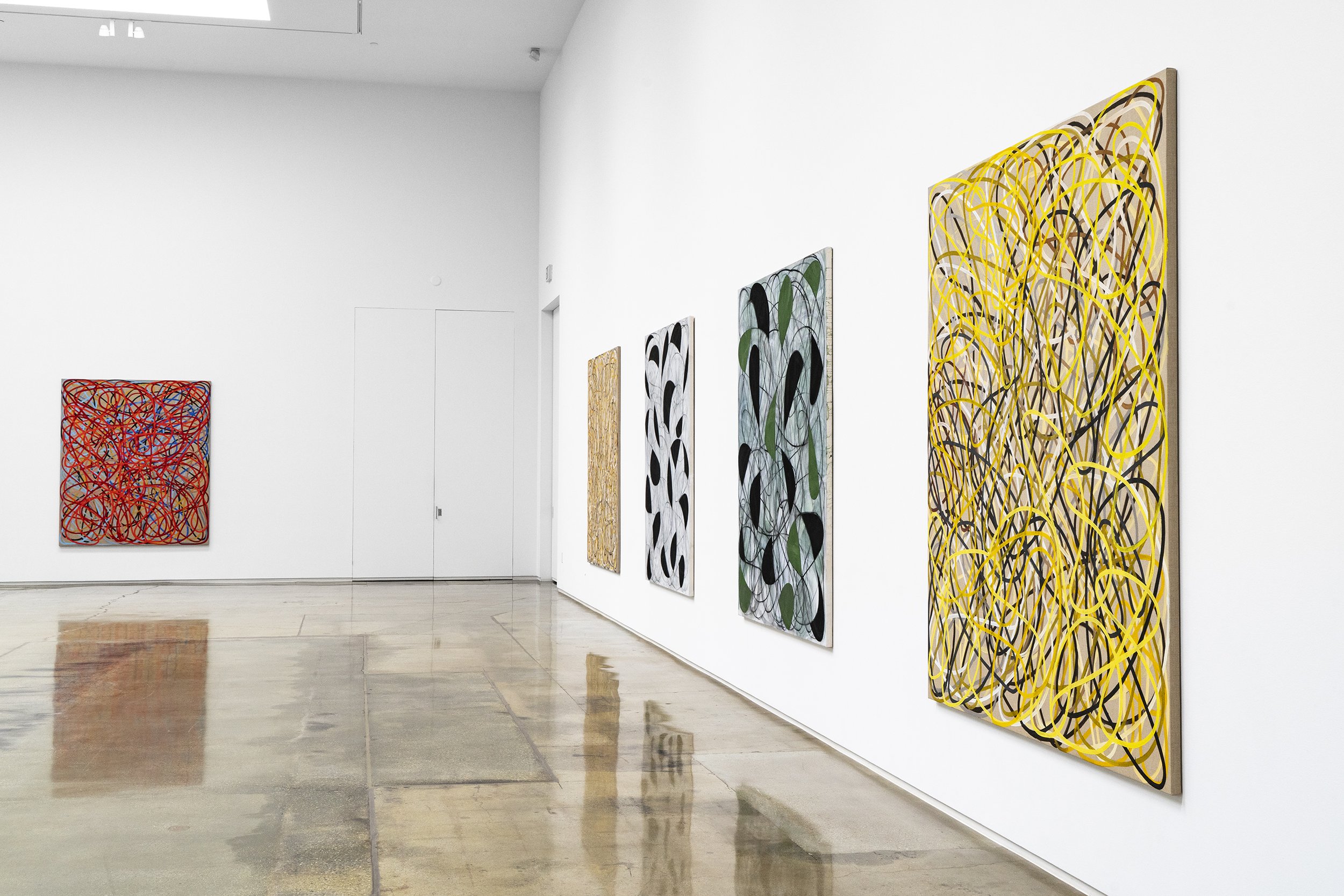
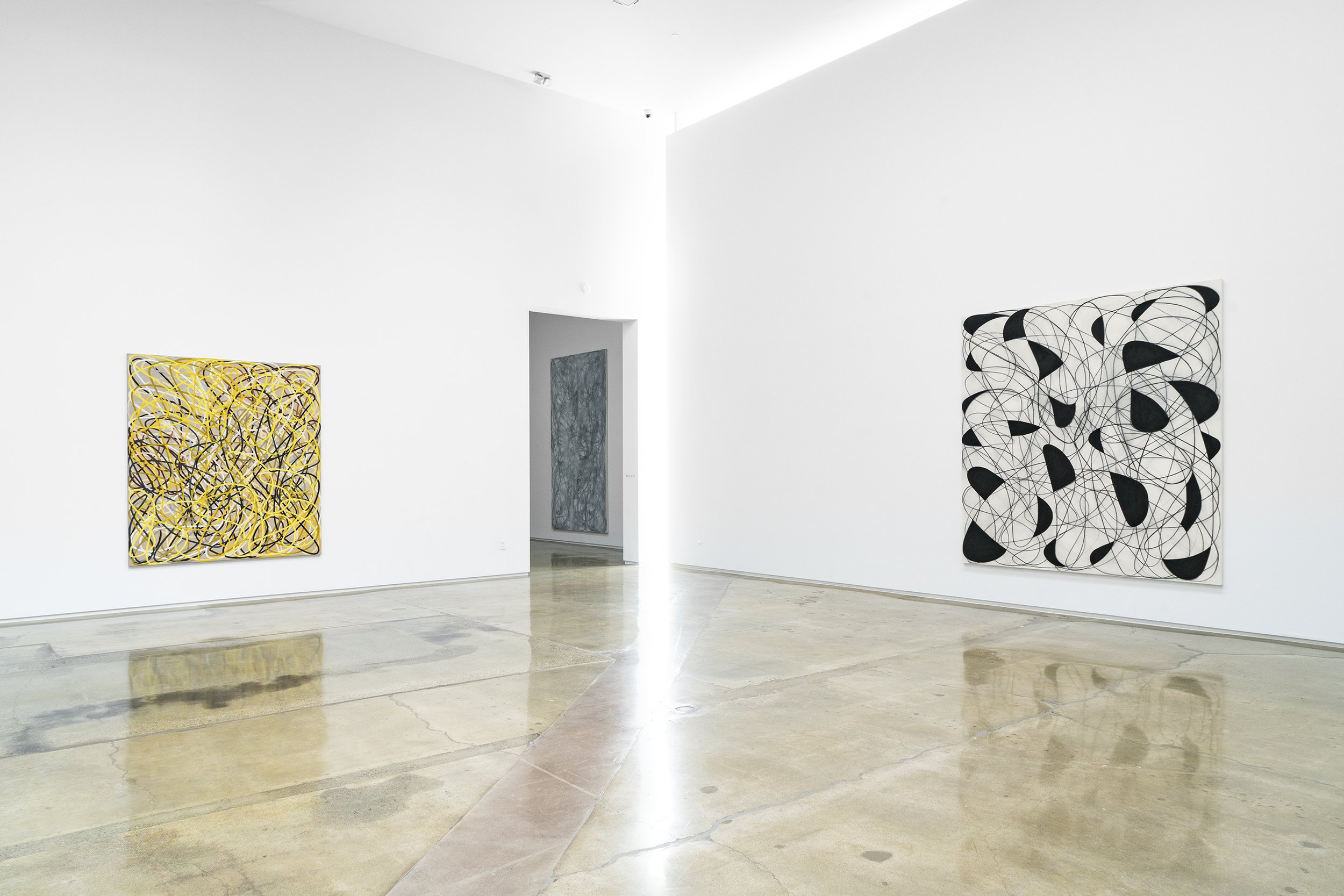
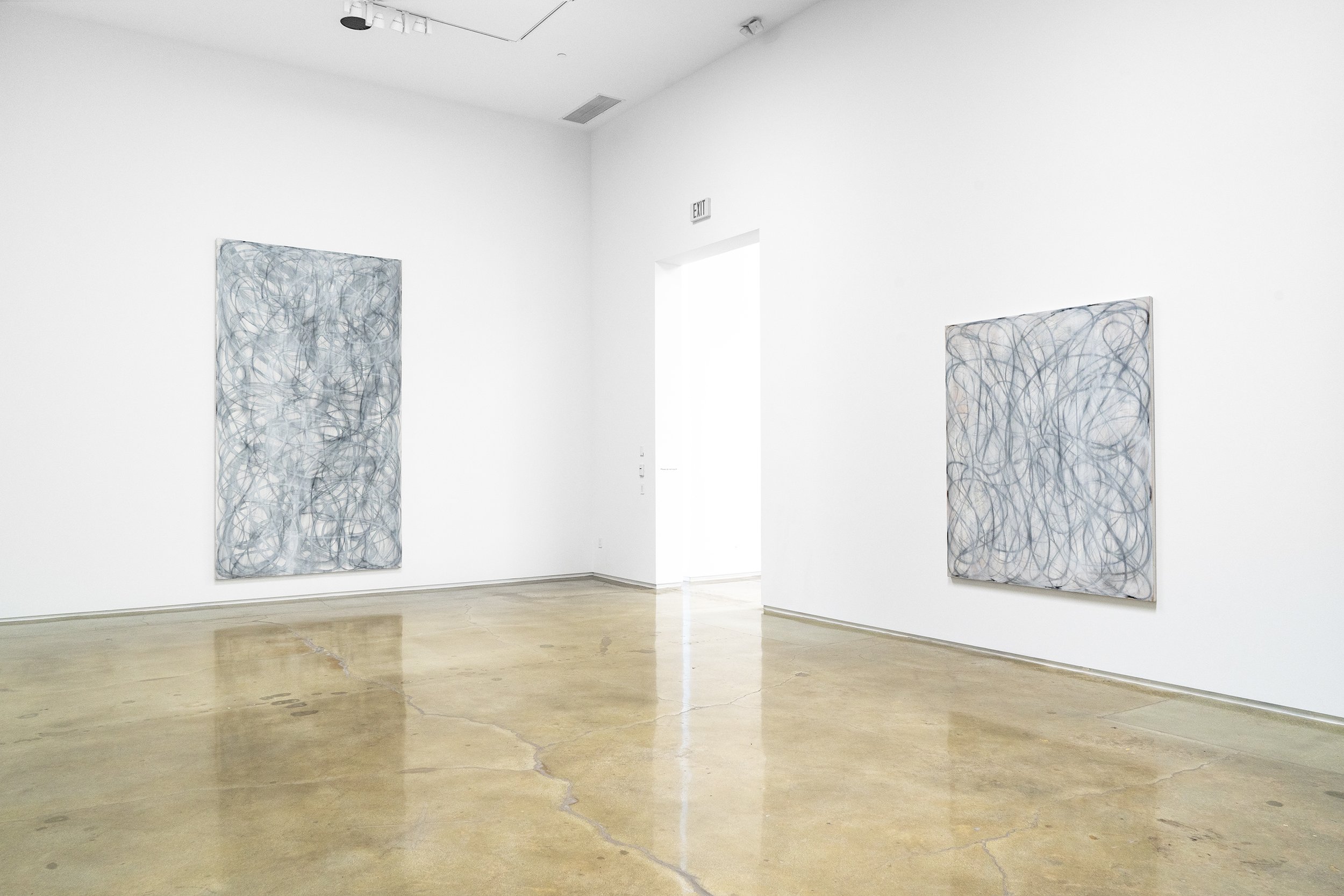
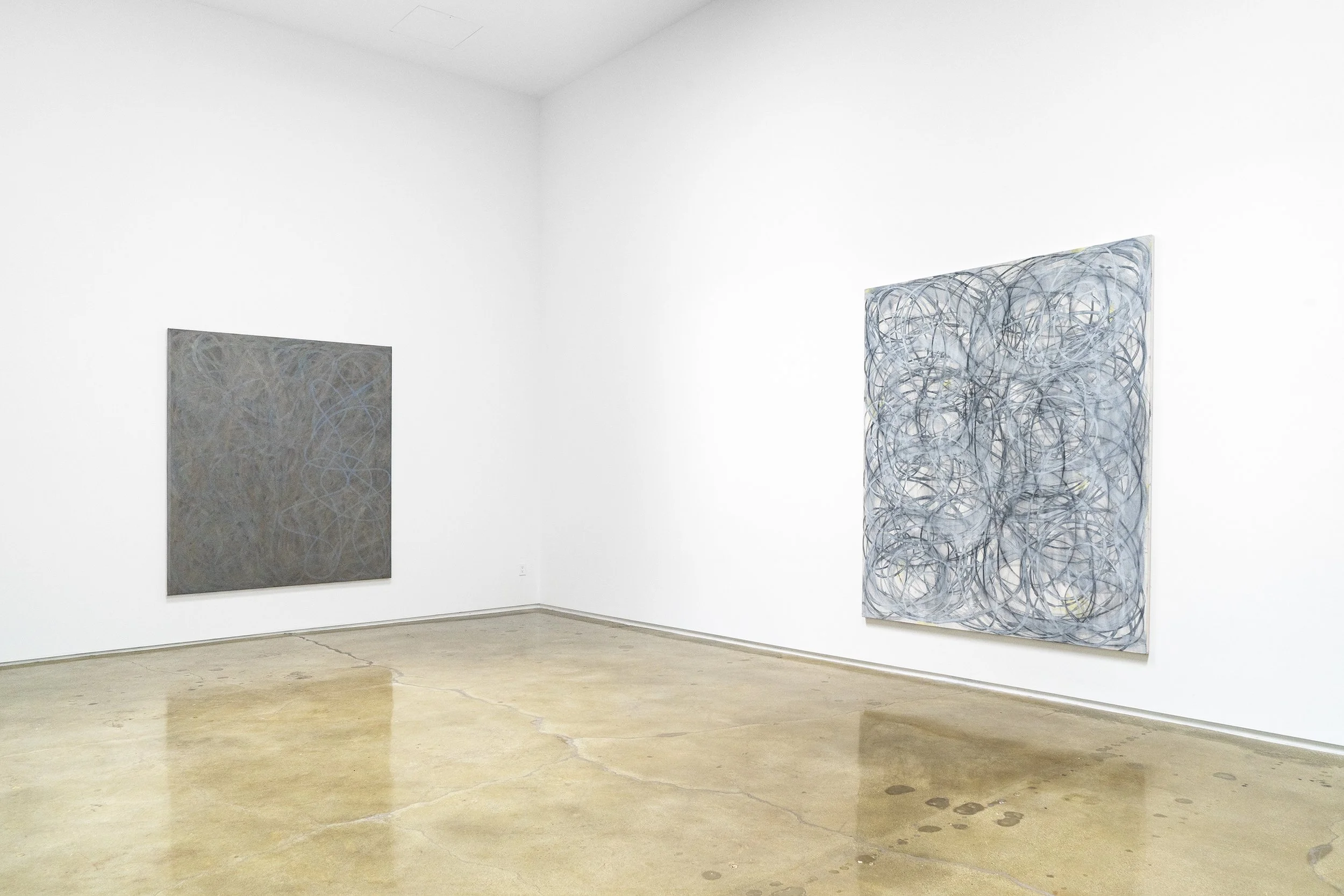
String Theory
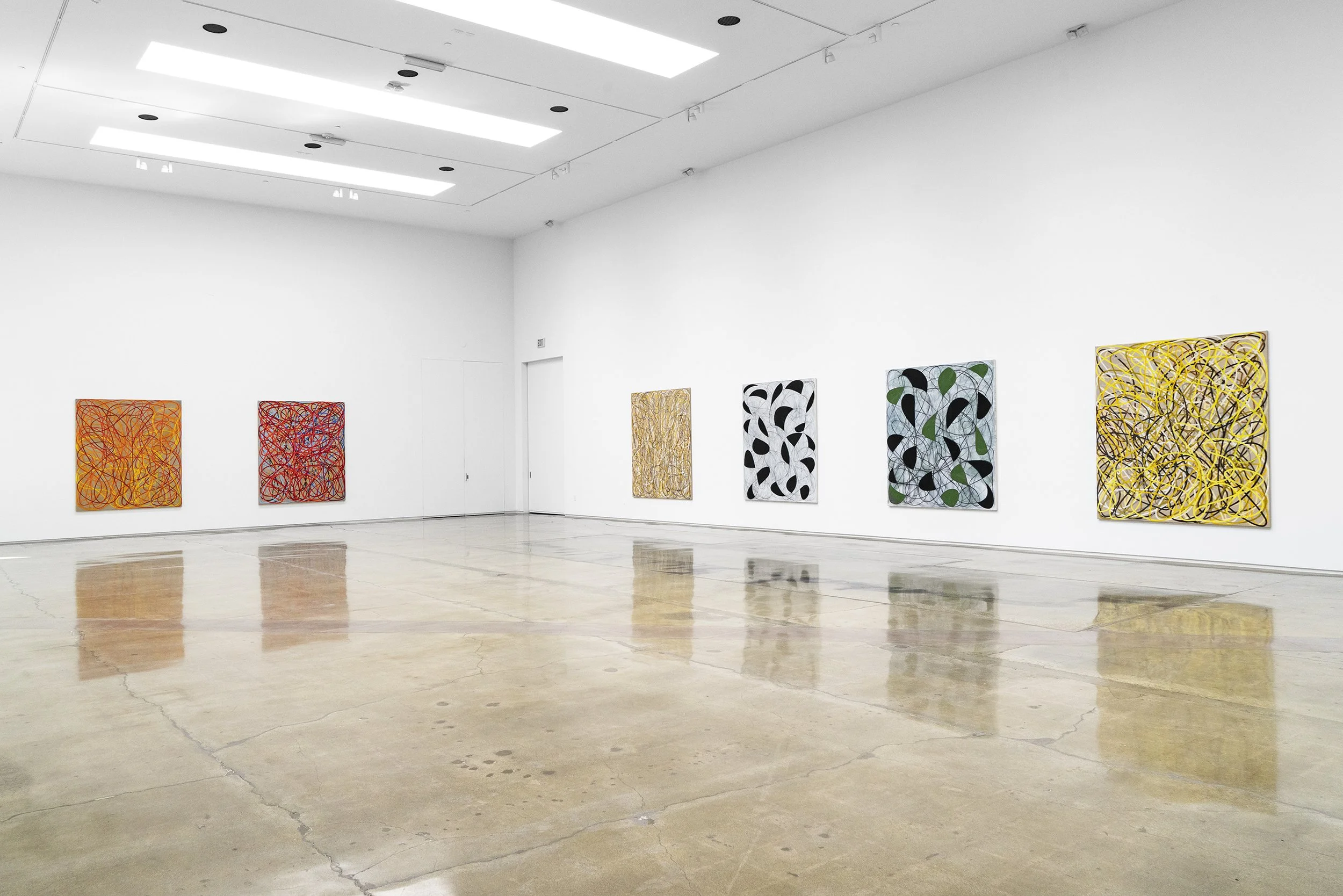
Exhibition walkthrough with the artist: Friday, October 2, 11 am
Opening reception: Saturday, October 3, 6 to 8 pm
Charles Arnoldi is now the elder statesman of West Coast painting. At 80 years old, he has a history of over 55 years of exhibitions world-wide, and a tapestry of works that trace the evolution of late modernist abstraction. Like some of his painter-colleagues, Ellsworth Kelly, Elizabeth Murray, Brice Marden, et al., Arnoldi has consistently explored formal concerns of line, shape and color in order to advance visual complexity and emotional resonance.
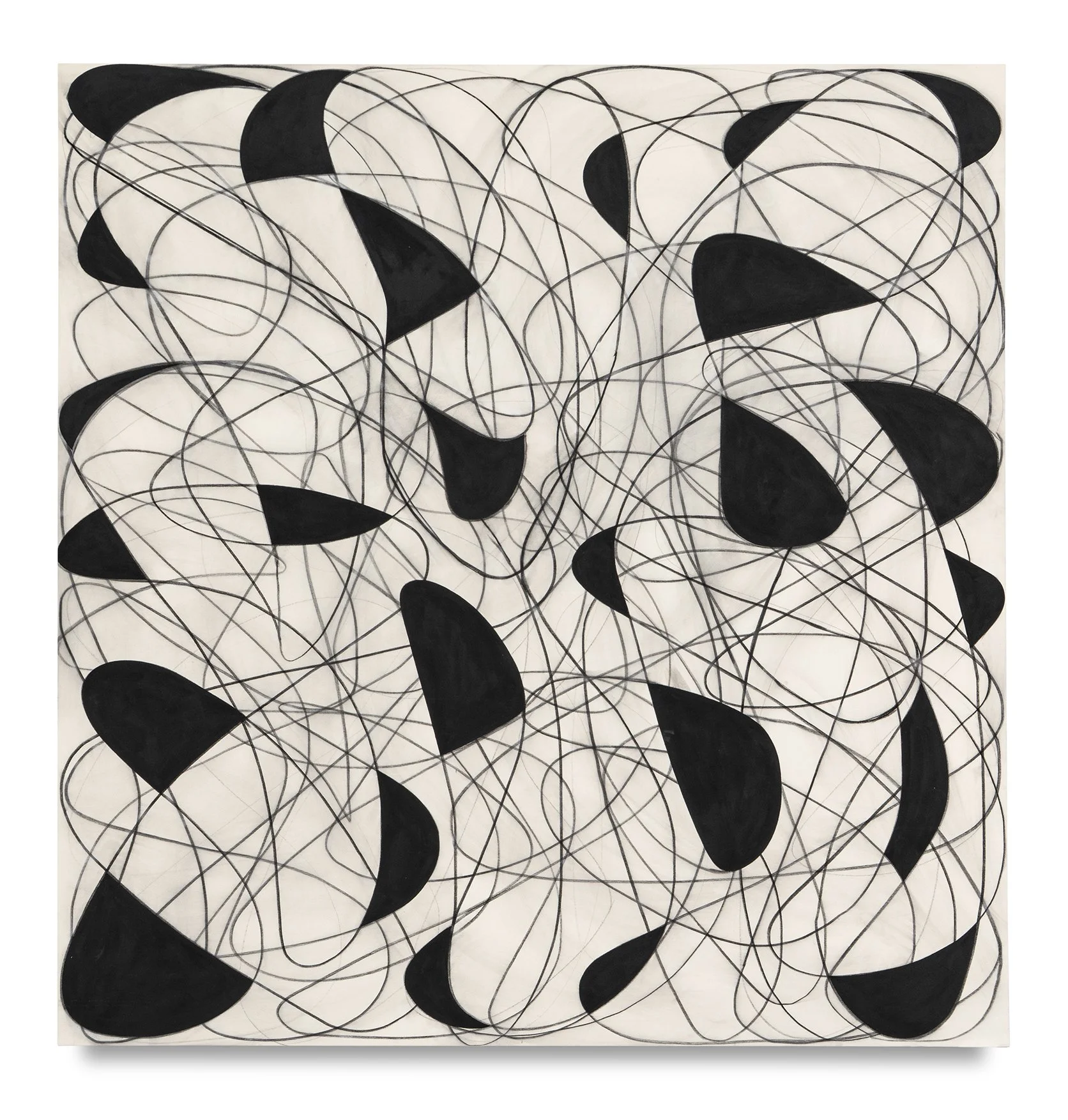
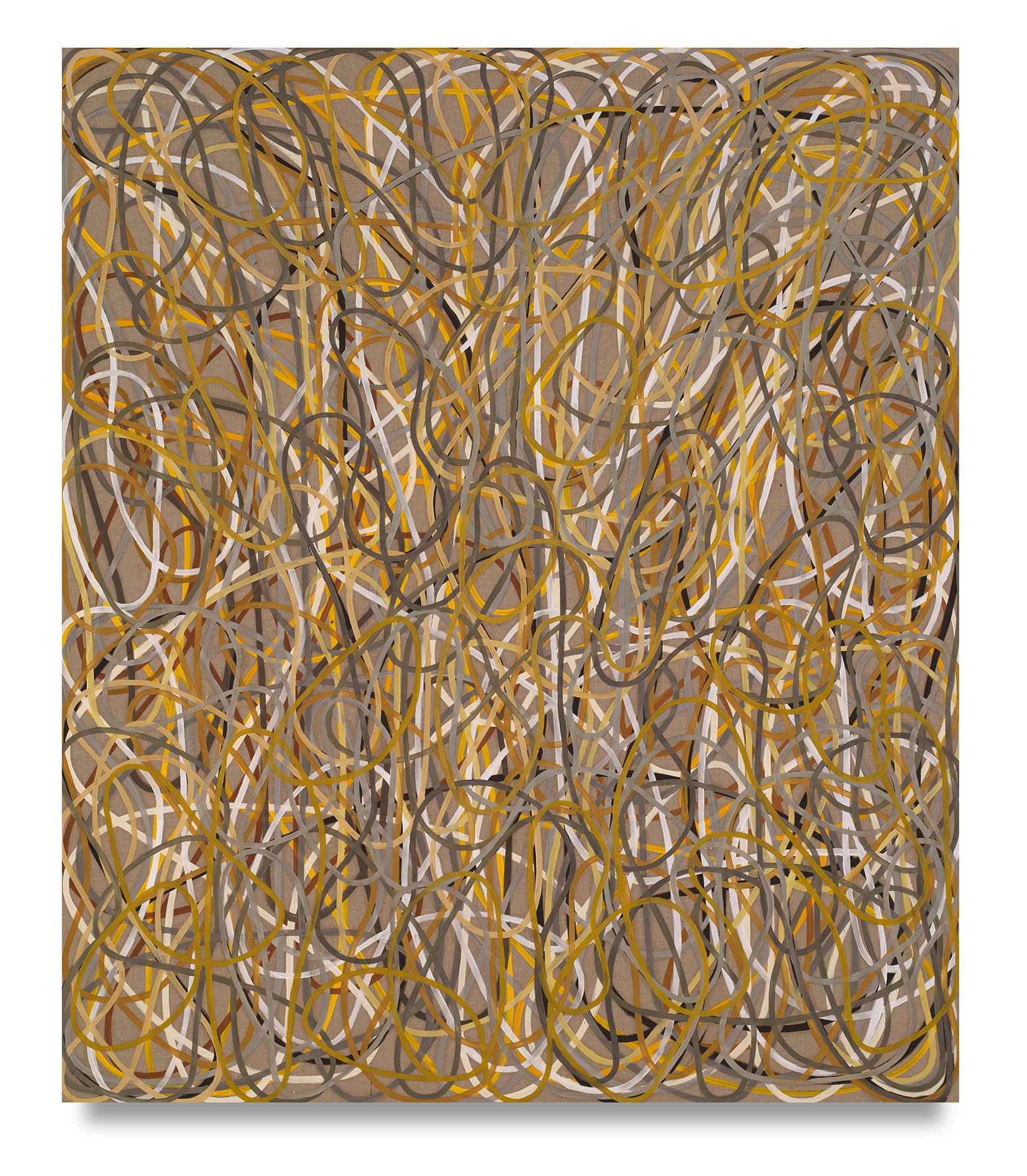
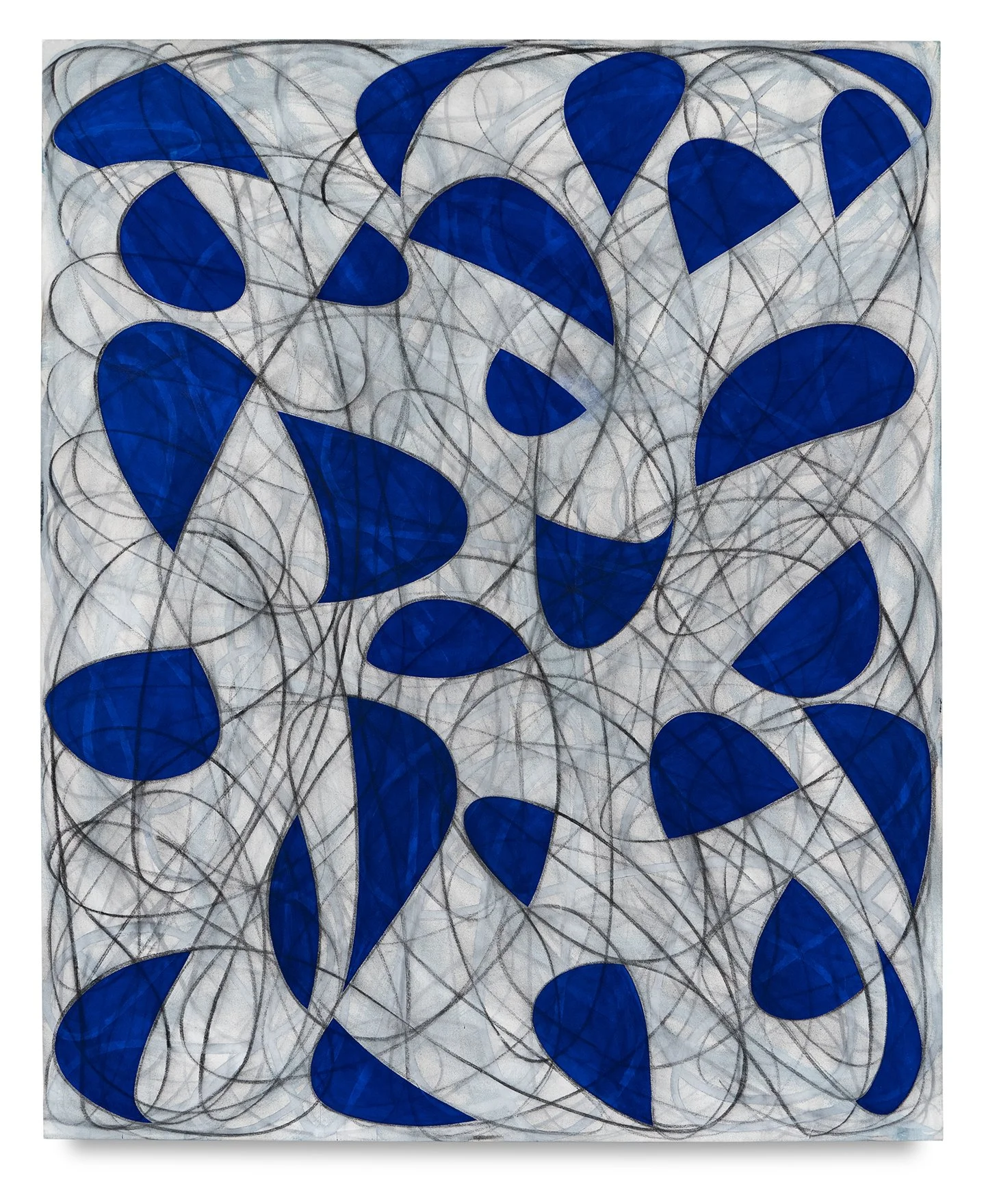
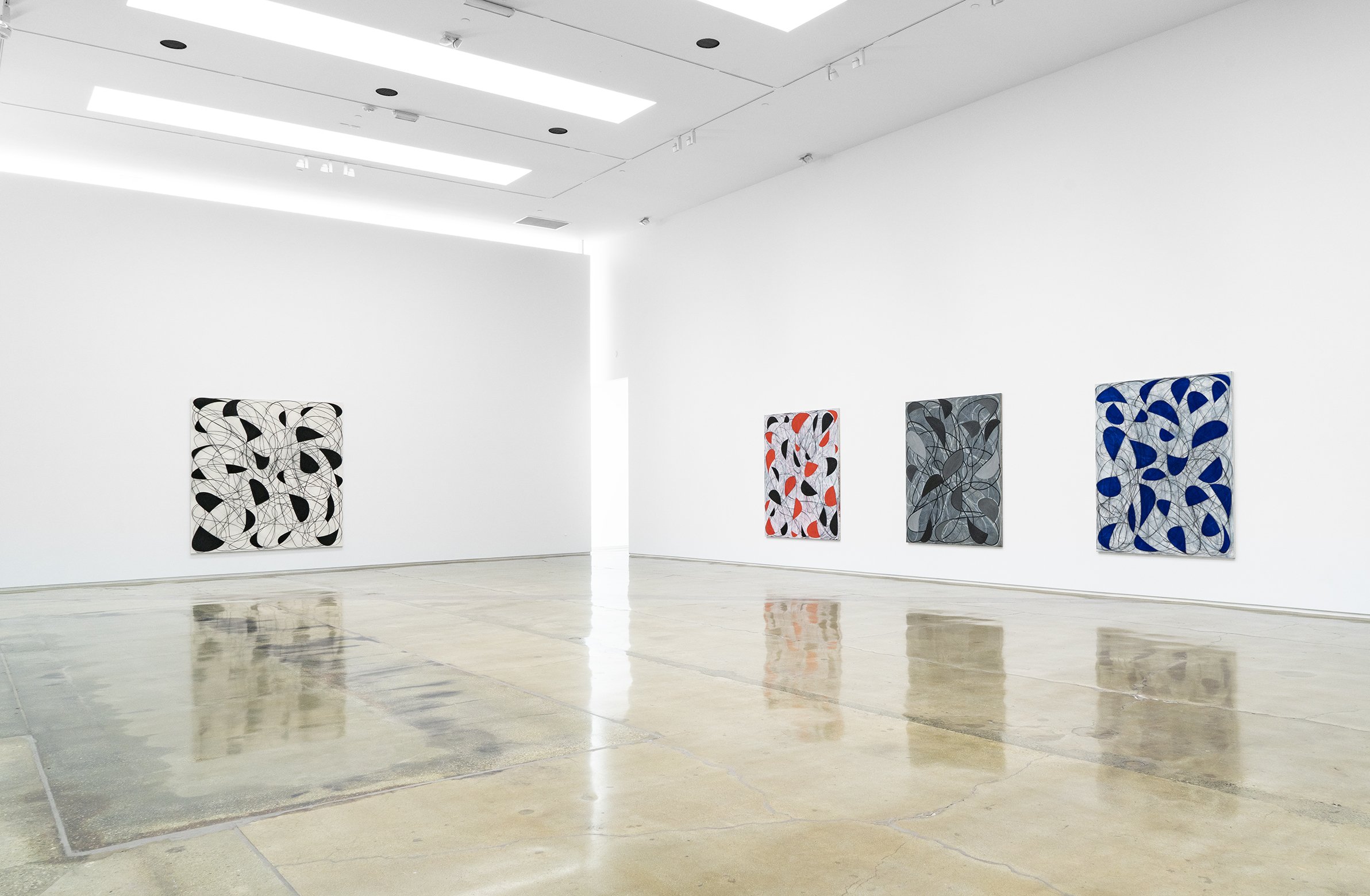
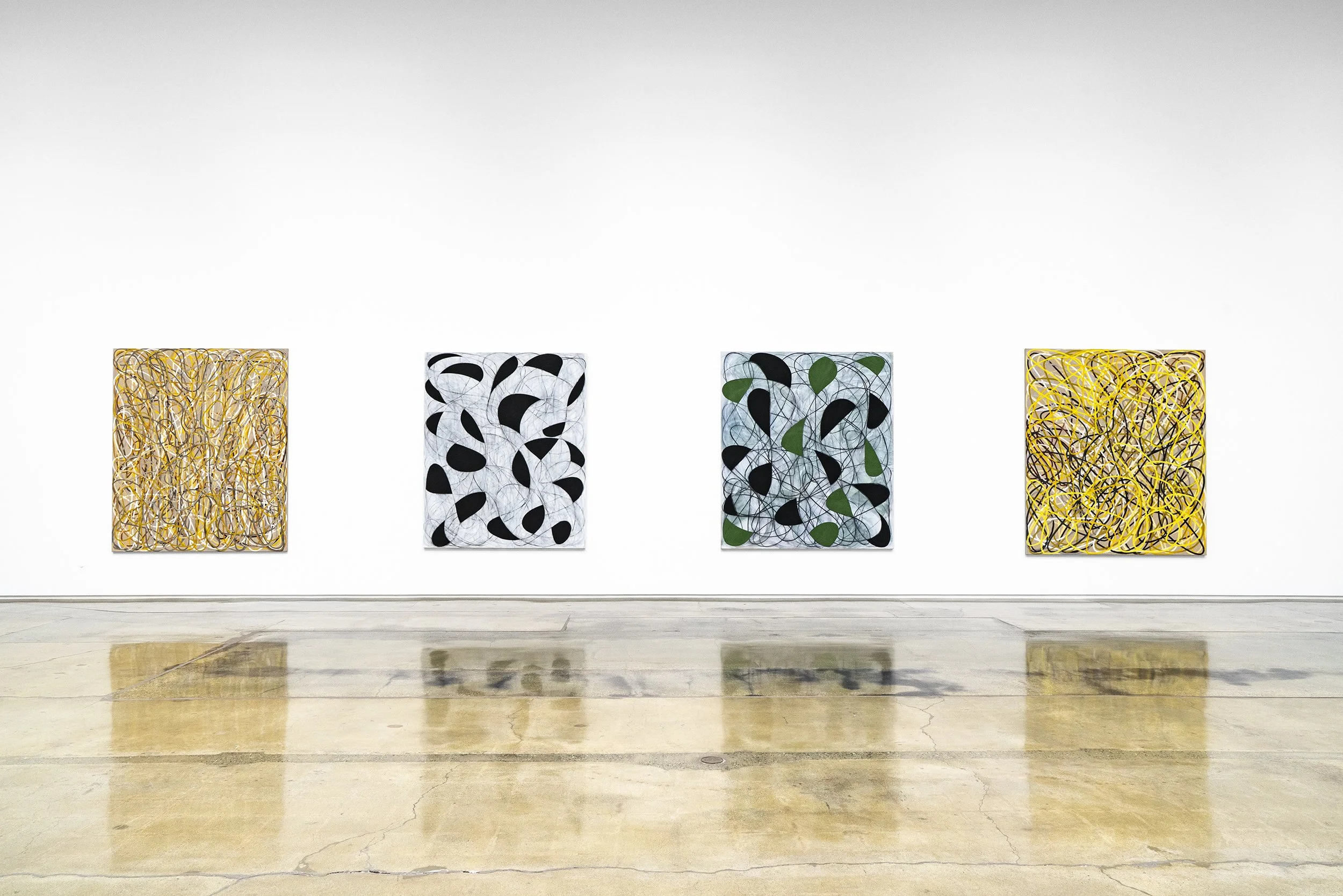
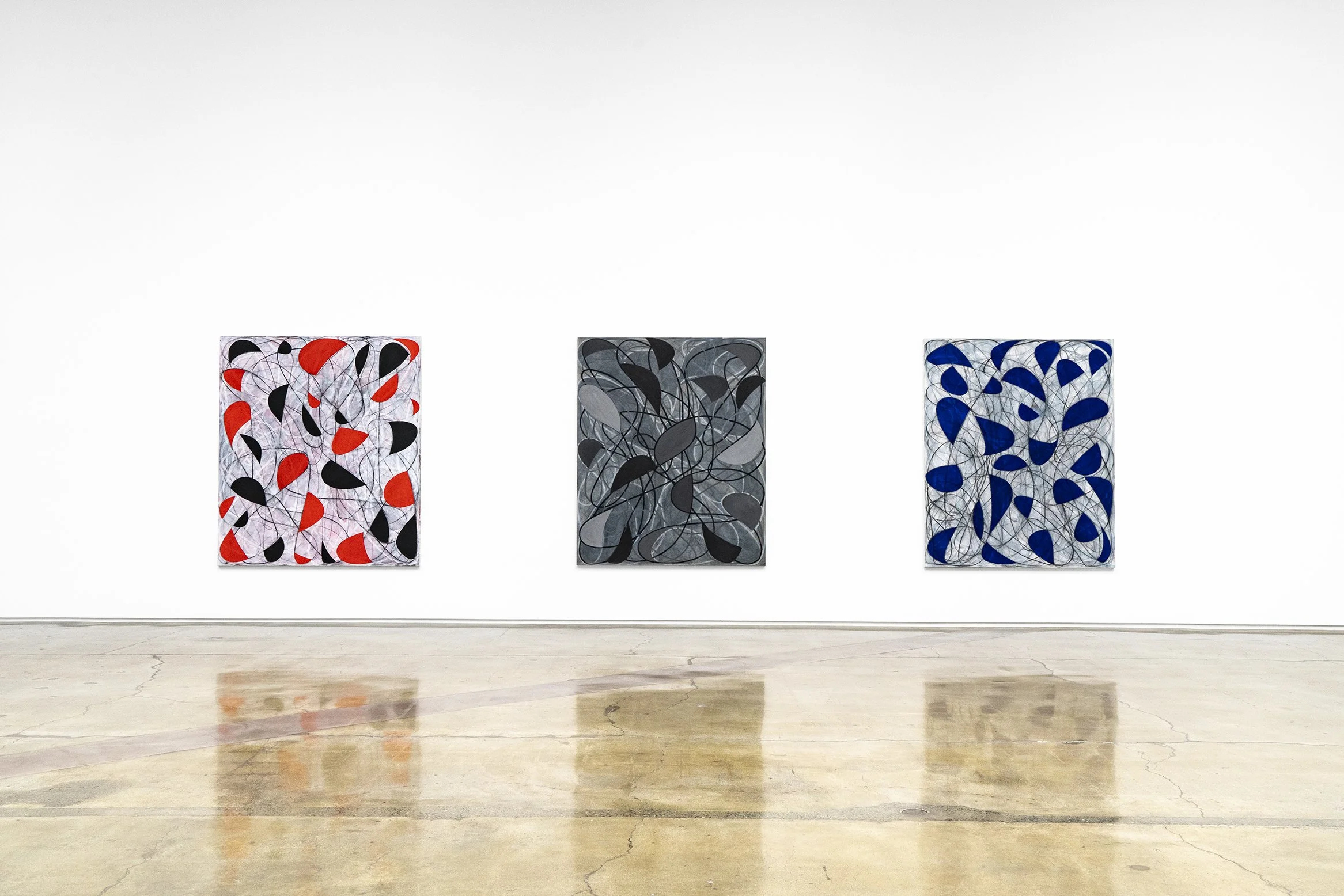
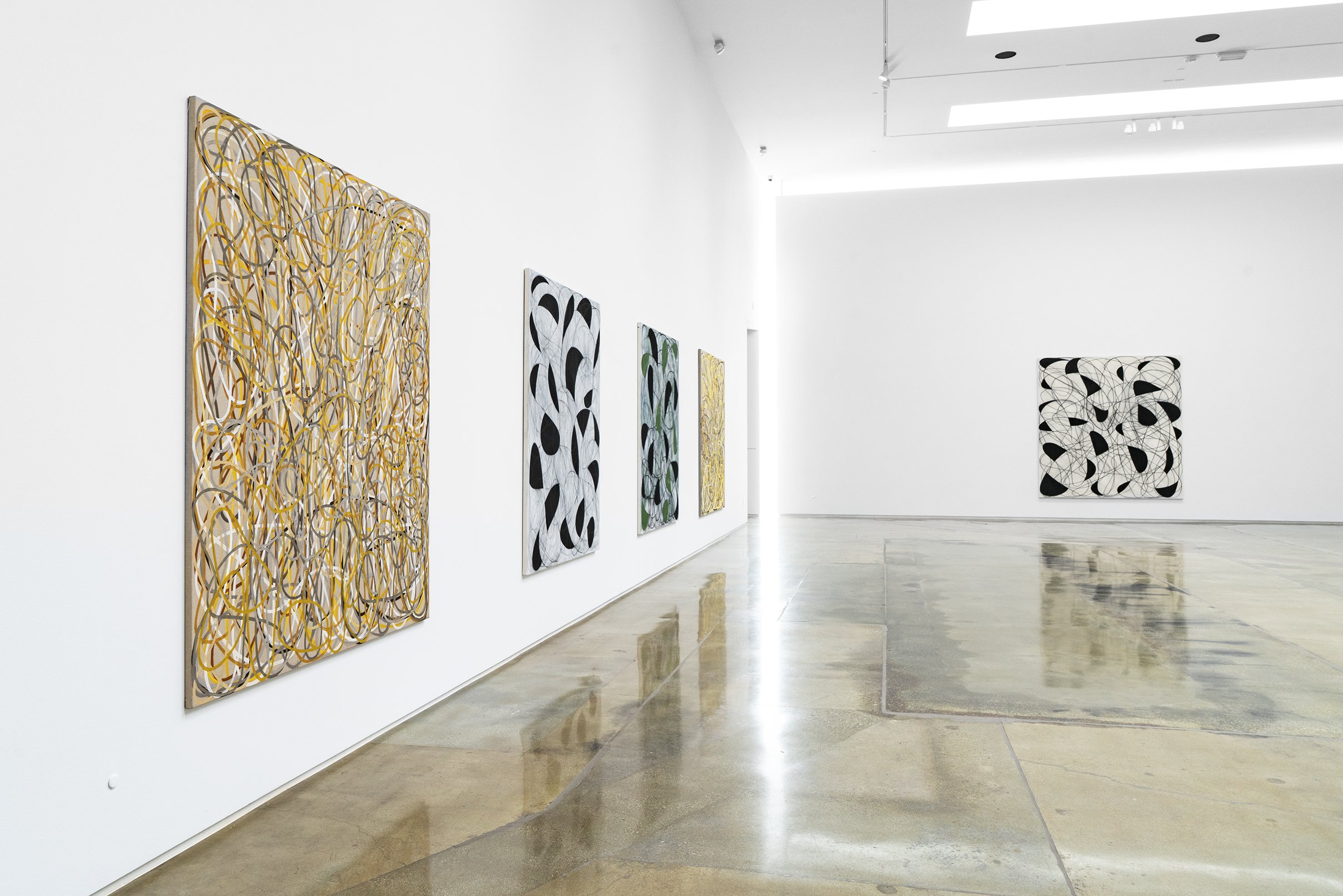
This exhibition focuses on a series of paintings that Arnoldi created between 2016-2019, titled “String Theory.” While in Physics “String Theory” is an important research discipline, Arnoldi applied the series title due to the formal aspects of the paintings (although their complexity could surely be linked to physics in a future dissertation.) The ideas originated from a book, Sapiens: A Brief History of Humankind by Yuval Noah Harari where the author posits that humans developed unique cognitive abilities, including language and the capacity to imagine things that do not physically exist.
For Arnoldi, the idea of using his arm and hand to translate fluid lines to canvas, akin to surrealist automatic drawing, produces an image that is at once direct and complex. As layers of linearity stratify, the residual human energy of the lines increases. While Jackson Pollock used his body to spread paint, Arnoldi uses the edges of the canvas as guard rails; the structure of the canvas restrains the pictorial energy into an elegant equilibrium.
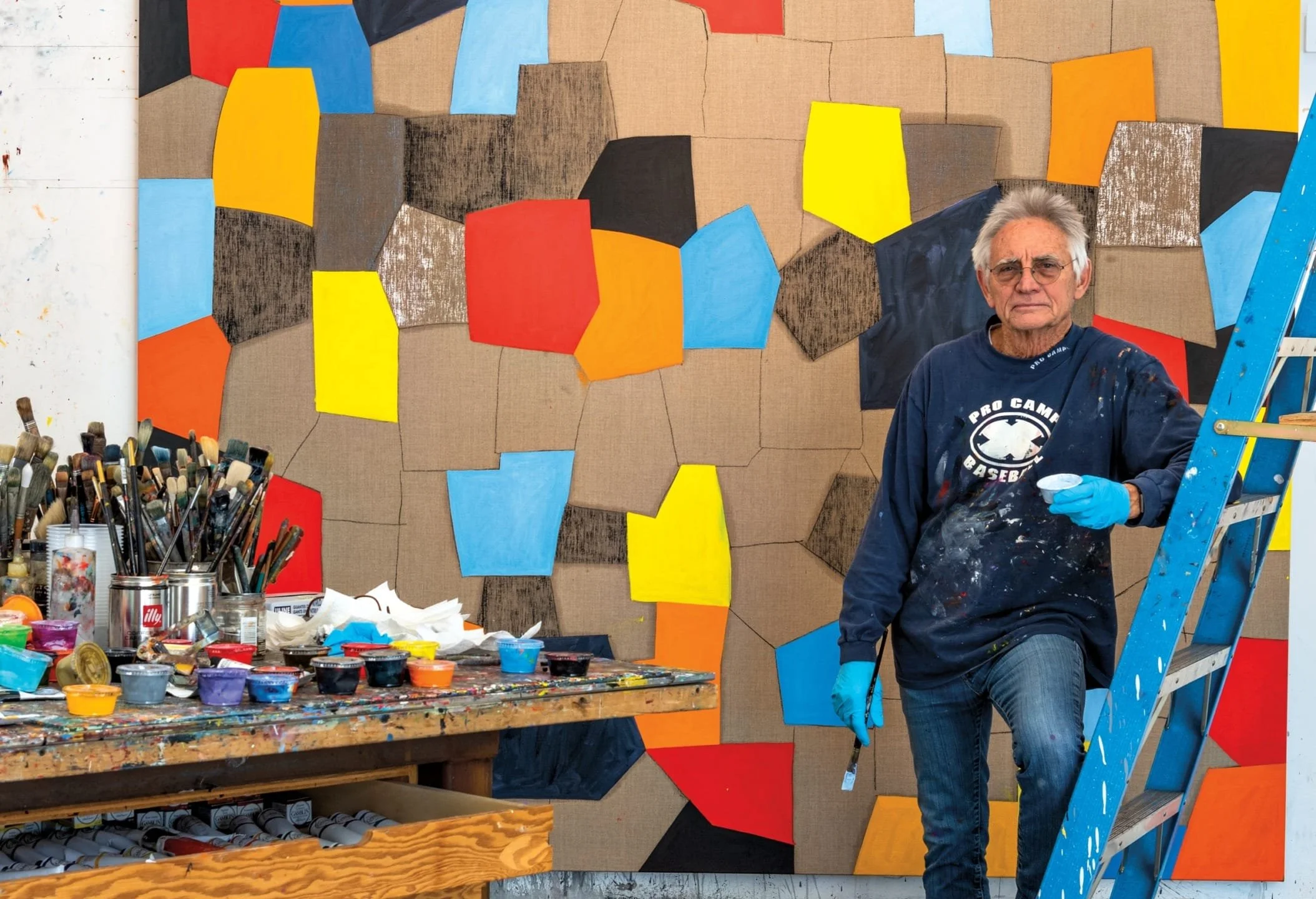
As this series progressed, within the linear intersections arose certain shapes that the artist filled with color. These forms were the result of human spontaneity, and make more sense, according to Arnoldi, than shapes made without the underlying artistic intervention. Almost Calder-like in their floating forms, Arnoldi’s “String Theory” paintings moved into a delicate balance of form and gesture that is the crux of successful Abstraction.
This important series of paintings marks Arnoldi’s continuing mastery of method and abstraction. Fred Hoffman wrote in his catalogue essay for the Busan Metropolitan Art Museum, “Early in his career, then, Arnoldi was able to assert his freedom from the ghost of repetition. This newfound independence thereby enabled the artist to more strongly identify himself with the commitment to invention witnessed in those masters who emerged as the New York School…” Indeed, abstraction was fostered on the East Coast after WWII, while their lessons in painterly emotion were intermingled with visions of Minimalism, Pop and subsequent artistic movements in Los Angeles. “String Theory” paintings are a remarkable achievement of synthesis and creativity.
Selected Press
Books
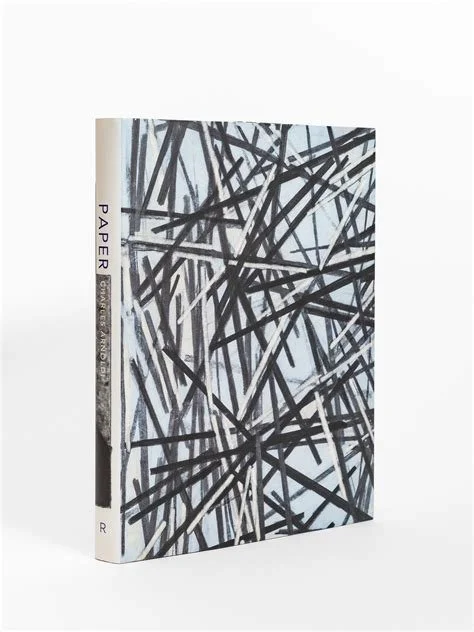
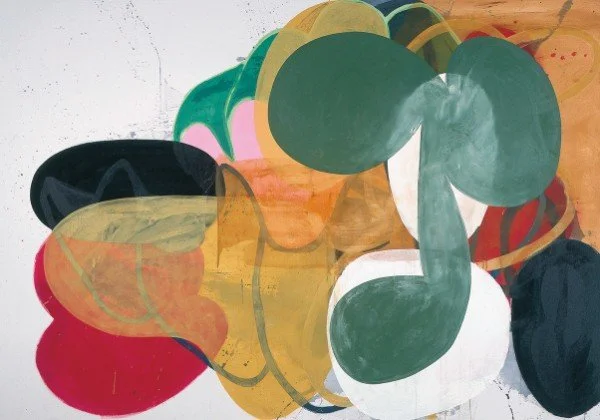
One of the most protean figures in the contemporary Los Angeles art world, Charles Arnoldi is a painter, sculptor, and printmaker acclaimed for brightly colored compositions that straddle the margins of sculpture and painting; abstraction and representation.
— LA Modern
Charles Arnoldi has been making art for over 50 years, first achieving major acclaim in the 1970s. A decade later he had established himself as one of the most prominent painters working in southern California. This book is a follow-up and companion to the 2011 sold-out monograph, Charles Arnoldi (Radius Books), which focused primarily on paintings and sculpture.
Essayist Bruce Guenther notes, “Arnoldi has moved fluidly from drawing to sculpture, printmaking to painting, through a practice of continuous experimentation which has audaciously challenged the limits of media and the expectations of the viewer. Drawing has been at the core of Arnoldi’s work since the late 1960s.”
About the Artist
Born 1946, Dayton, Ohio
Lives in Malibu, California
Charles Arnoldi’s works are mainly created through an interplay of experimentation across a wide variety of materials and techniques. Whether with paintings or installations, wood, metal, and sticks are major elements of composition and texture, giving each piece a playful and fluid atmosphere. There is a clear evolution with his work, specifically with his series, String Theory paintings. Starting in the 1990’s till today, the frenzy and chaos they began with has transformed in a state of uniform chaos doused in shades of deep reds and blues. Arnoldi continues to push the boundaries of creation with his large scale paintings and sculptures. In taking the natural and un-natural forms, he puts it best by saying, “I let the paintings develop themselves quickly and spontaneously,” and furthering this with, “In abstract painting, an artist invents a problem and solves it.”
Download full CV